
 Home
Home Recipes
 Beans
Beans Gear
Gear Roasting
 Brewing
 FAQ
FAQ

I still remember the first time I realized how complex our sense of taste perception is. Did you know the average person has around 2,000 to 4,000 taste buds on their tongue? This fact made me curious about the anatomy of taste and its impact on our lives.
Exploring this topic further, I found out that knowing about the anatomy of taste is key to understanding how we taste food. In this guide, I’ll explain how taste buds work and their role in flavor perception.
Key Takeaways
- The average person has 2,000 to 4,000 taste buds on their tongue.
- Taste buds play a crucial role in our perception of flavor.
- Understanding the anatomy of taste can enhance our appreciation of food.
- Taste perception is a complex process involving multiple factors.
- The anatomy of taste is essential for our daily eating experiences.
The Science Behind Our Taste Perception
Understanding taste perception is key to appreciating the complex ways we experience flavors. Our sense of taste involves many sensory and neural processes working together. This shows how our biology plays a big role in how we taste things.
“Taste is not just about the food we eat, but about the complex interplay of biology and neuroscience that makes it possible,” as noted by experts in gustation neuroscience. It starts with taste receptor cells on our tongue. These cells send signals to our brain, helping us tell apart different flavors. This complex process highlights the amazing taste physiology that lets us enjoy taste.
The study of taste science uncovers the detailed mechanisms behind tasting different flavors. By learning about these processes, we can better understand the biology behind our sense of taste.

The Anatomy of Taste: A Comprehensive Overview
The sense of taste is thanks to a detailed anatomy. It includes taste buds on the tongue and in the mouth. These taste buds are key to how we taste different flavors.
The anatomy of taste isn’t just about the tongue. It also involves the roof of the mouth, the inside of the cheeks, and the lips. Taste buds on these areas have special cells. These cells can sense the five basic tastes: sweet, sour, salty, bitter, and umami.
- Taste buds are made up of 50-100 specialized cells.
- These cells detect chemicals in food and drinks.
- The brain then interprets this info as specific tastes.
Learning about the anatomy of taste and how taste buds work can make us appreciate tasting more. By understanding the complex process, we can enjoy the variety of flavors we taste every day.
Understanding Taste Buds: The Building Blocks of Flavor
Taste buds are tiny heroes in our food adventures. They work hard to find chemicals in what we eat and drink. These small structures are on our tongue and mouth, helping us taste different flavors.
The taste buds have taste receptor cells inside. These cells catch the chemicals in food and drinks. When they find these chemicals, they send a taste sensation to our brain.
| Taste Bud Component | Function |
|---|---|
| Taste Receptor Cells | Detect chemicals in food and drinks |
| Nerve Fibers | Transmit signals to the brain |
| Supporting Cells | Provide structural support to taste receptor cells |
Learning about taste buds helps us understand why foods taste the way they do. It shows us the amazing science behind taste. This knowledge can make our food experiences even better and help us enjoy flavors more.
The Microscopic Structure of Taste Buds
Exploring the tiny world of taste buds shows us a complex system key to our flavor experience. Taste buds are not simple organs; they are detailed structures made of different cells. These cells work together to help us taste.
The main cells in taste buds are taste receptor cells. They detect chemicals in what we eat and drink. This lets us taste the five basic flavors: sweet, sour, salty, bitter, and umami. These cells are vital in the science of taste, crucial for how we taste things.
But taste buds also have supporting cells and basal cells. Supporting cells help keep taste receptor cells working well. Basal cells can turn into new taste receptor cells. This keeps taste buds working over time.
| Cell Type | Function |
|---|---|
| Taste Receptor Cells | Detect chemicals in food and drinks, enabling the perception of the five basic tastes. |
| Supporting Cells | Provide structural support and maintenance for taste receptor cells. |
| Basal Cells | Act as precursor cells that can differentiate into new taste receptor cells. |
Knowing how taste buds work, including the roles of each cell type, helps us understand our taste system better. This knowledge shows us the amazing complexity of taste. It also shows how our senses can adapt and stay strong.
The Five Basic Tastes Explained
Our taste sensation is based on five primary tastes: sweet, sour, salty, bitter, and umami. These tastes form the base of our complex flavor experiences.
The detection of these tastes involves complex molecular mechanisms. Let’s begin with the sweet taste, linked to sugars and certain compounds.
Molecular Mechanisms of Sweet Detection
The sweet taste is detected by taste receptors on the tongue. The T1R2/T1R3 receptor complex is key. It detects sugars and other sweet molecules, sending a signal to the brain as sweetness.
How We Detect Salt
The salty taste is mainly detected by sodium ions. The epithelial sodium channel (ENaC) plays a role. It lets sodium ions into taste receptor cells, causing a signal that we feel as saltiness.
Bitter Taste: Our Warning System
Bitter taste is detected by T2R receptors. These receptors respond to a wide range of bitter compounds, many of which are toxic. The bitter taste warns us, helping us avoid harmful substances.
| Taste | Primary Stimuli | Receptor/Mechanism |
|---|---|---|
| Sweet | Sugars, certain amino acids | T1R2/T1R3 receptor complex |
| Salty | Sodium ions | Epithelial sodium channel (ENaC) |
| Bitter | Various bitter compounds | T2R receptors |
| Sour | Acids | PKD2L1 receptor |
| Umami | Glutamate | T1R1/T1R3 receptor complex |
Understanding these mechanisms helps us see how our brains interpret taste. It reveals the complexity of flavors we experience. By appreciating this complexity, we can improve our culinary adventures and understand taste’s role in our senses.
Debunking the Tongue Map Myth
The idea that different tongue parts taste different is a myth. Science has proven it wrong. For years, we thought the tongue had special spots for sweet, sour, salty, bitter, and umami tastes. But this isn’t true.
Taste buds are tiny organs on the tongue that sense tastes. Studies show they’re spread out, not stuck in one place. Each person’s tongue has taste buds in different spots, and they can pick up many tastes.
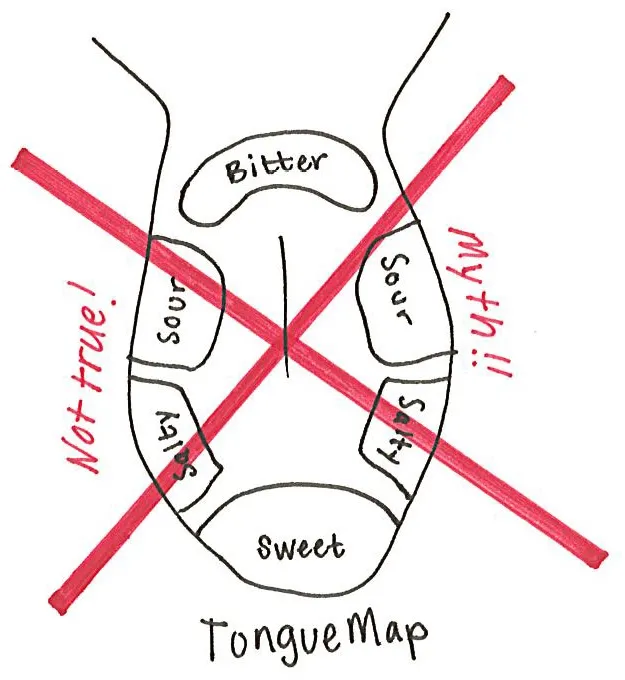
This myth-busting changes how we see taste perception. It shows the taste system is more complex than we thought. The main points are:
- Taste buds are spread out on the tongue.
- Each taste isn’t tied to a specific tongue spot.
- The taste system is more complex than we thought.
Knowing how taste really works can make us enjoy food and drinks more. It’s a fascinating journey of taste.
How Our Taste Buds Work: The Molecular Mechanisms
Our taste buds can detect different tastes thanks to complex molecular interactions. Taste receptor cells are key in this process. They help us feel the taste of food and drinks by turning chemical signals into electrical ones.
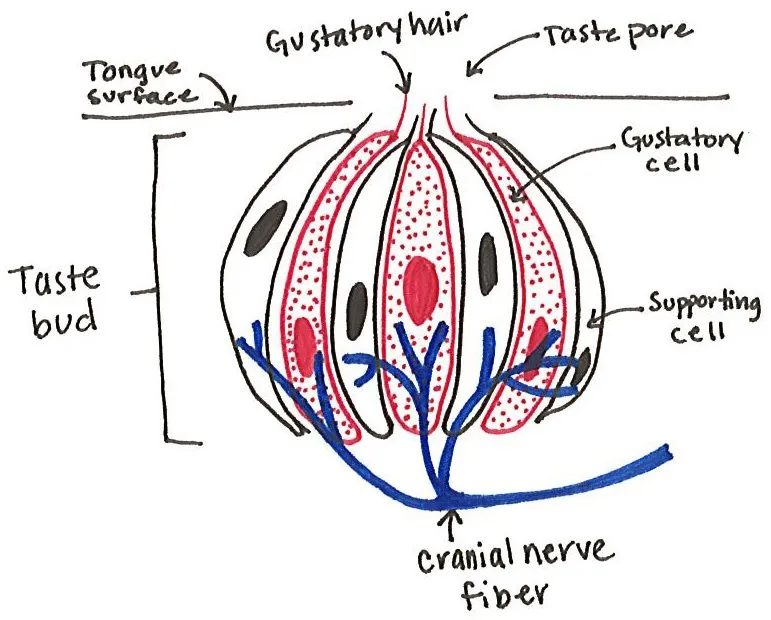
When molecules from a substance attach to taste receptor cells, it starts a chain of events. This chain ends with an electrical signal sent to the brain. For example, sugar molecules binding to receptors tell our brain that something is sweet.
The molecular mechanisms of taste are complex, involving many receptors and pathways. Studying gustation neuroscience helps us understand how we taste the world. It shows the detailed biology behind enjoying various flavors.
Knowing how taste works helps us understand why foods taste the way they do. It also shows how our taste preferences are shaped by our biology. This knowledge is useful for creating new foods and flavor enhancers.
The Crucial Connection Between Smell and Taste
Our sense of taste is closely tied to our sense of smell. This connection is often missed. When we eat or drink, the food’s volatile compounds go up our throat and into our nose. There, they meet olfactory receptors.
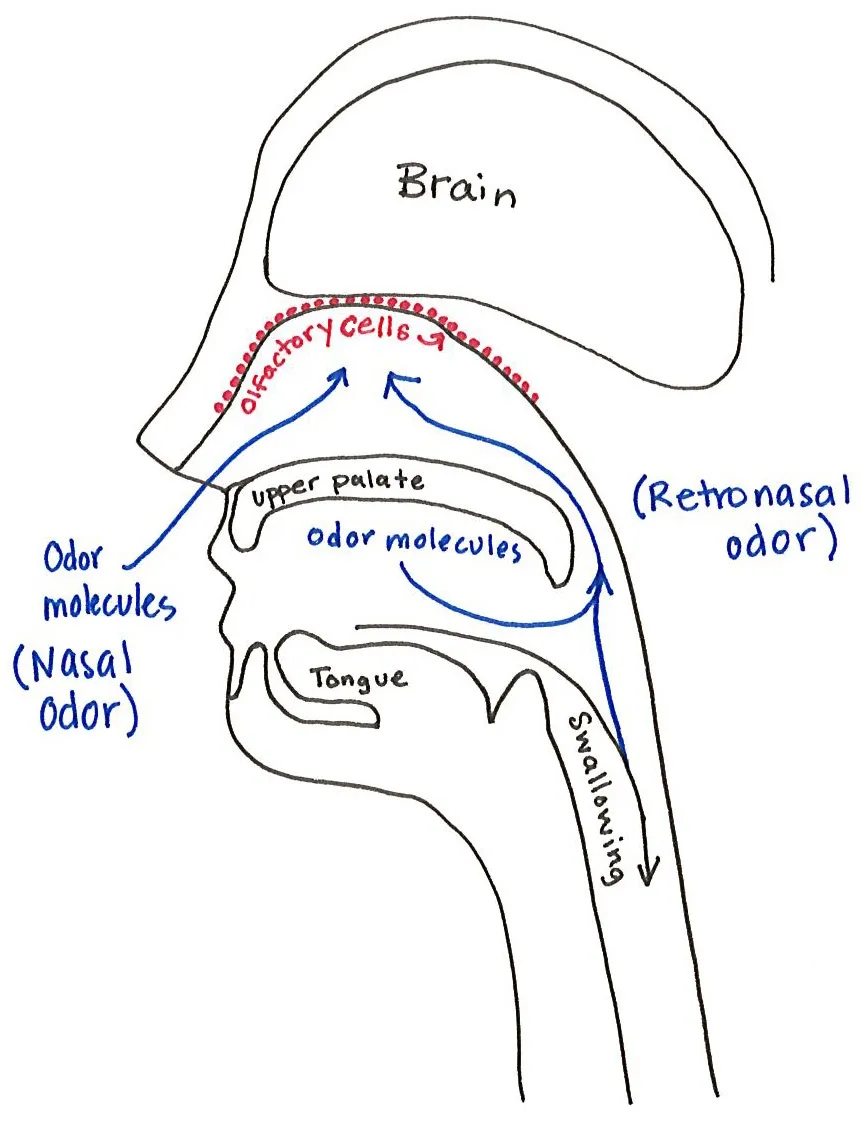
Source image: decodingdelicious.com
This process is called retronasal olfaction. It lets us enjoy the complex flavors of food and drinks. Our tongues can detect five basic tastes: sweet, sour, salty, bitter, and umami. But, it’s our sense of smell that adds the real depth to these tastes.
For example, coffee’s flavor isn’t just its bitterness. It’s also about its rich aroma. Without smell, coffee tastes flat.
| Sense | Role in Flavor Perception |
|---|---|
| Taste | Detects five basic tastes: sweet, sour, salty, bitter, umami |
| Smell | Detects volatile compounds, contributing to the nuances of flavor |
| Combined | Creates the complex sensation of flavor we experience |
In conclusion, smell and taste are key to enjoying flavors. Understanding this connection helps us see why some conditions change how we taste food. Our senses work together to make the rich culinary experiences we love.
Taste Preferences: Why We Like What We Like
Our taste preferences come from a mix of biology and experience. Research shows that genetics play a big role in how we taste things.
Some people are more sensitive to tastes because of their genes. Genetic variations can affect how our taste buds work. This leads to different food and drink preferences.
Culture also shapes our taste preferences. The foods we try early on can influence our flavor likes. As they say, “Variety is the spice of life,” and this variety comes from culture.
“Tell me what you eat, and I shall tell you what you are.”
Our personal experiences also shape our taste preferences. Good memories with certain foods make them more enjoyable.
In summary, our taste preferences are influenced by genetics, culture, and personal experiences. Knowing these factors helps us appreciate the wide range of food preferences.
Taste Disorders and Their Impact
Taste disorders, like ageusia and dysgeusia, change how we taste things. Ageusia means we can’t taste anything. Dysgeusia makes things taste wrong.
These issues can come from many things. For example, upper respiratory infections, head injuries, and some medications can cause them. Some antibiotics and antihistamines can mess with how we taste. Also, diabetes and hypothyroidism can lead to taste problems.
Taste disorders can really affect people. Not being able to taste well can make us eat less and miss out on nutrients. It can also make eating less fun, causing emotional distress.
It’s important to understand taste disorders to find good treatments. Scientists in gustation neuroscience are studying this. They want to learn more about taste and how to fix problems with it.
By studying taste disorders, we learn how vital our sense of taste is. We can help improve the lives of those dealing with these issues.
Enhancing Your Taste Experience
Understanding how to improve our flavor senses is key to better dining. A few simple changes can greatly boost our taste sensation.
Using fresh, high-quality ingredients is a great start. Fresh produce tastes better and adds more life to our dishes. For example, fresh lemon juice is a big improvement over bottled juice.
How we present our meals also matters. A dish’s look can change how we taste it. Making our food look good can make it taste better too.
Trying new cooking methods and flavors is another way to enhance our taste. Exploring new recipes and ingredients can open up new flavors and make us appreciate food more.
Conclusion: The Remarkable Complexity of Our Taste System
Our taste system is much more complex than we thought. It involves a detailed process from the tiny taste buds to how we feel the five basic tastes. This shows how intricate our senses are.
Studying taste science and gustation neuroscience reveals more about how we taste. It’s not just about the food, but how our brains interpret what our taste buds send. This shows how our senses work together to create flavor.
Understanding our taste system better helps us enjoy food more. It also helps us understand why we like some tastes more than others. As we learn more, we see how eating is a rich and varied experience.
Related Articles
What Are Coffee Quakers? (Defects & How to Avoid Them)
What Are Coffee Quakers and how do they affect your brew I explain their causes impact on taste and how…
Read moreDetails
How Caffeine Works: Adenosine & Why You Crash Later
Wondering how does caffeine work? I break down adenosine’s role, why caffeine makes you tired later, and how to avoid…
Read moreDetails
Can You Put Coffee with Milk in a Thermos? (Safety Guide)
Can You Put Coffee with Milk in a Thermos? I explain safety tips, how long it lasts, and whether to…
Read moreDetails
How to Brew Coffee in a Thermos: Step-by-Step Guide
I’ll show you how to brew coffee in a thermos with the right coffee-to-water ratio, grind size, brewing time, and…
Read moreDetails
Why is Water Served with Espresso? (Purpose & Etiquette)
Discover why water is served with espresso – the purpose and proper etiquette.
Read moreDetails