 Home
Home Recipes
 Beans
Beans Gear
Gear Roasting
 Brewing
 FAQ
FAQ

Mastering the Automatic Drip Coffee Maker
Brewing coffee in a drip coffee maker is incredibly simple and convenient. This method works by passing hot water once through ground coffee held in a paper filter—a straightforward process that has made drip coffee one of the most popular brewing methods worldwide. The combination of ease, consistency, and the ability to brew large quantities simultaneously makes it the go-to choice for households and offices across America.
Understanding the Drip Coffee Method
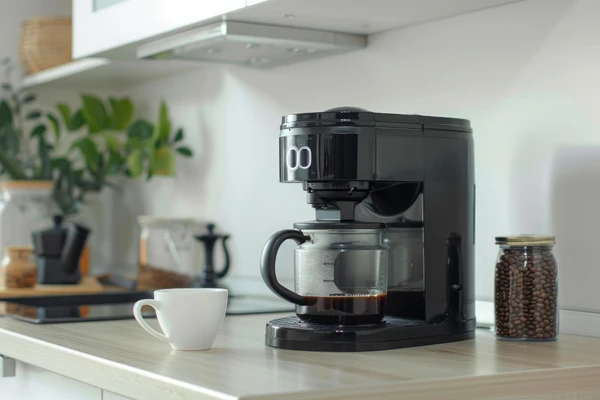
The automatic drip coffee maker, also known as a filter coffee maker, revolutionized home coffee brewing when it gained popularity in the 1970s. The design is elegantly simple: cold water is heated in a reservoir, then dripped through ground coffee in a filter basket, and the brewed coffee collects in a carafe below.
This brewing method offers several advantages over manual techniques. The automated process ensures consistency—once you’ve dialed in your preferred settings, you can replicate the same quality cup every morning. The ability to brew 8-12 cups at once makes it perfect for families, entertaining guests, or keeping coffee fresh throughout a busy workday.
Modern drip coffee makers have evolved significantly from their basic predecessors. Today’s models offer programmable timers, auto-shutoff features, brew strength settings, and thermal carafes that keep coffee hot for hours without the burnt taste that develops on traditional hot plates.
Grind Size

PRO TIP:
Don’t be afraid to experiment with grind size. Try brewing at different grind settings to achieve your perfect flavor profile.
Drip coffee makers require a medium-coarse grind—think the texture of coarse sand or sea salt. This grind size is actually slightly coarser than what you’d use for pour over methods, allowing water to flow through the grounds at the optimal rate for full extraction without over-extracting bitter compounds.
If your coffee tastes weak or sour, your grind is too coarse and water is flowing through too quickly. If it tastes bitter or harsh, your grind is too fine and water is moving too slowly through the coffee bed. Finding the sweet spot may require a few attempts, but once you’ve got it dialed in, your mornings will be consistently excellent.
For best results, grind your coffee fresh each morning. Pre-ground coffee loses aromatic compounds rapidly—within 15-30 minutes of grinding, much of the volatile flavor escapes. A quality burr grinder (either manual or electric) will give you uniform particle size, which translates to even extraction and better-tasting coffee.
Coffee Dosage and Ratios

PRO TIP:
Rather than changing your coffee-to-water ratio, adjust flavor by experimenting with grind size. This gives you more control over extraction.
The golden ratio for drip coffee is approximately 2 ounces (55-60g) of coffee per liter of water, which translates to roughly 1-2 tablespoons of ground coffee per 6 oz of water. For a standard 12-cup coffee maker (which actually produces about 60 oz of coffee), use 10-12 tablespoons or about 2/3 cup of ground coffee.
Many Americans prefer a slightly weaker brew than this classic ratio suggests, often using 1 tablespoon per cup. However, for the fullest flavor expression, starting with the proper ratio and adjusting to taste yields better results than brewing weak coffee from the start.
Using a kitchen scale to weigh your coffee ensures consistency. Digital scales are inexpensive and eliminate guesswork. Most coffee scoops hold 2 tablespoons (about 10g) of ground coffee, but this varies based on grind size and how densely you pack the scoop.
Preparing the Filte
Before adding ground coffee to the paper filter, rinse it with hot water. This crucial step serves two purposes: it removes any paper taste that might affect your coffee’s flavor, and it preheats your brewing equipment, helping maintain optimal extraction temperature.
Simply place the paper filter in the basket, pour hot water through it (discarding this rinse water), then add your measured coffee grounds. Distribute the grounds evenly across the filter basket by giving it a gentle shake—this ensures uniform saturation and extraction.
Quality matters with filters too. Cheap, thin filters can impart papery flavors even after rinsing. Brands like Melitta, Chemex, and Hario produce superior filters that don’t interfere with coffee’s taste. Natural, unbleached filters are environmentally friendly, though they require extra rinsing to remove paper taste.
The Bloom Phase (Pre-infusion)
Pre-infusion, or “blooming,” significantly enhances flavor in any drip brewing method. If your coffee maker has a bloom or pre-infusion feature, use it. This function wets the grounds with a small amount of water, allowing trapped CO2 gas to escape before full brewing begins. Without this step, CO2 can create channels in the coffee bed, leading to uneven extraction.
If your machine lacks this feature, you can manually bloom the coffee. Before starting your brew cycle, add about 1 oz (30ml) of hot water per 10g of coffee directly to the grounds in the filter. Wait 30-45 seconds while you see bubbles forming and subsiding—this is the CO2 releasing. Then start your normal brew cycle, subtracting the bloom water from your total water calculation.
For example, brewing with 30g of coffee and 500ml total water: add 90ml for blooming, wait 45 seconds, then brew with 410ml in your reservoir.
High-end drip coffee makers with bloom cycles do this automatically, pausing briefly after initial water contact before continuing the full brew. This feature alone can dramatically improve your coffee’s clarity and flavor complexity.
Brewing Time
Total brewing time varies significantly based on water volume, but expect anywhere from 4-7 minutes for a full pot. This timing should begin when the first drops of water hit the coffee grounds, not when you press the start button.
For a typical 8-10 cup brew (about 40-50 oz of coffee), aim for 5-6 minutes total contact time. If brewing finishes much faster, your grind is too coarse or your coffee bed isn’t deep enough. If it takes significantly longer, your grind is too fine or you’re using too much coffee.
Many modern drip makers have “brew strength” settings that control water flow rate. The “strong” setting slows water passage through grounds, increasing extraction time and resulting in more concentrated coffee. Experiment with these settings to find your preference.
Choosing the Right Drip Coffee Maker
Not all drip coffee makers are created equal. When selecting a machine, consider:
Thermal vs. Glass Carafe: Thermal carafes maintain temperature without a hot plate, preventing that burnt taste from prolonged heating. Glass carafes let you see how much coffee remains but require a hot plate that can scorch coffee after 30 minutes.
SCA Certification: The Specialty Coffee Association certifies machines that meet strict brewing standards (water temperature 195-205°F, proper bloom time, optimal flow rate). Certified machines include brands like Technivorm Moccamaster, Bonavita, and Breville Precision Brewer.
Programmability: If you want coffee ready when you wake up, programmable timers are essential. Just remember that pre-grinding coffee the night before sacrifices some freshness.
Capacity: Match the machine size to your needs. Brewing small amounts in a 12-cup maker doesn’t work well—the coffee bed is too shallow for proper extraction.
Common Drip Coffee Mistakes
Using old coffee: Pre-ground supermarket coffee that’s been open for months produces flat, stale-tasting brews. Buy whole beans, store them properly, and grind fresh.
Wrong grind size: Too fine creates bitter, over-extracted coffee; too coarse makes weak, sour coffee. Dial in your grind and stay consistent.
Dirty equipment: Coffee oils build up and turn rancid. Clean your machine monthly with vinegar or descaling solution.
Leaving coffee on the hot plate: After 30 minutes, coffee on a hot plate develops burnt flavors. Transfer to a thermal carafe or brew only what you’ll drink immediately.
Using poor quality water: Since coffee is 98% water, use filtered water if your tap water tastes bad. Avoid distilled or softened water—some mineral content is necessary for proper extraction.
Maintenance and Cleaning
Regular cleaning is essential for great-tasting coffee. Wash the carafe and filter basket daily with hot soapy water. Monthly, run a brew cycle with equal parts water and white vinegar, followed by 2-3 cycles of plain water to rinse. This removes mineral deposits (scale) and coffee oil buildup that affect taste and machine performance.
Replace charcoal water filters (if your machine has them) every 2-3 months or per manufacturer recommendations. Descale more frequently if you have hard water.
Related Articles

The History of Coffee: From Ancient Discovery to Global Phenomenon
Today, coffee is one of the world’s most beloved beverages. Nearly half the planet’s population—perhaps even more—starts their day with…
Read moreDetails
How to Make Pour Over Coffee
Mastering Manual Brewing: Pour Over Tips and Techniques Pour over coffee represents one of the most popular manual brewing methods,…
Read moreDetails