 Home
Home Recipes
 Beans
Beans Gear
Gear Roasting
 Brewing
 FAQ
FAQ
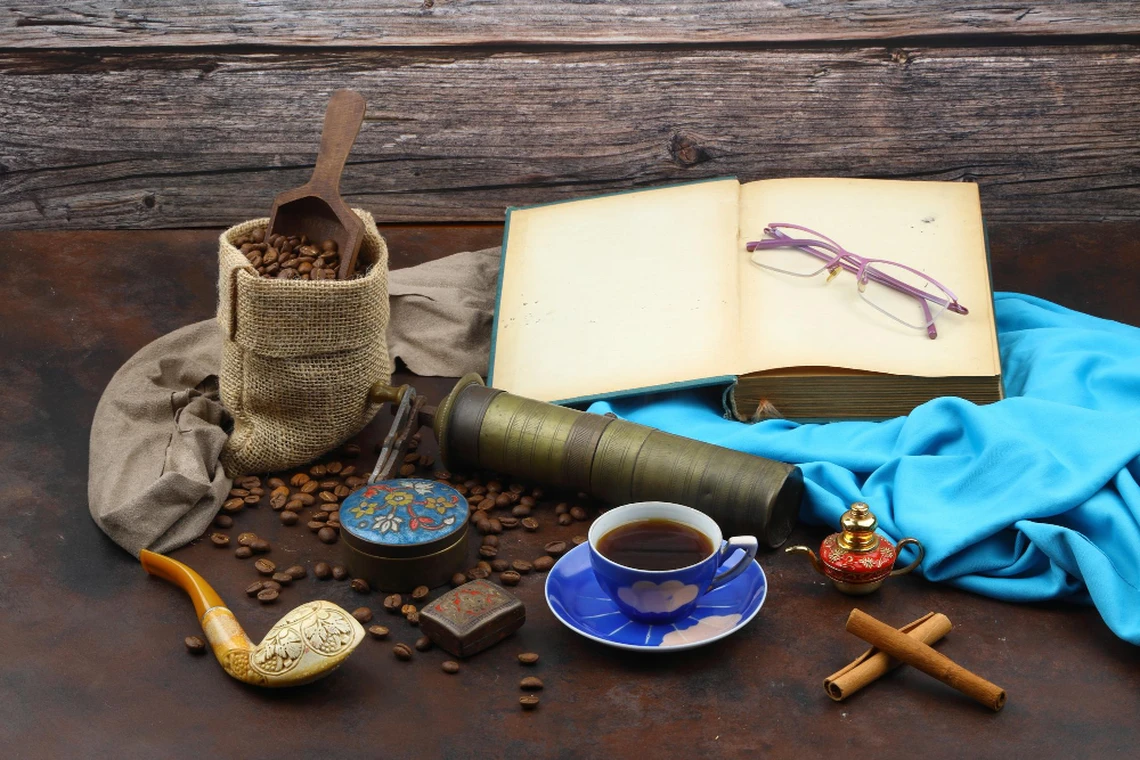
Today, coffee is one of the world’s most beloved beverages. Nearly half the planet’s population—perhaps even more—starts their day with a cup of this aromatic, energizing drink. But how did coffee become the global sensation it is today, enjoyed everywhere from bustling New York cafés to remote villages across continents?
The Long Journey: From Berry Infusion to Aromatic Brew
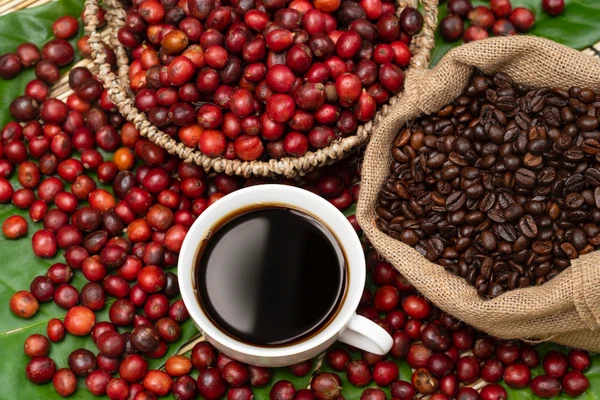
According to legend, over a thousand years ago, a goat herder in the Kaffa region (an area in what is now modern-day Ethiopia during the 9th-19th centuries) noticed that red berries growing on certain shrubs had an energizing effect on his goats. He shared this discovery with local monks, who began brewing an infusion from these berries to help them stay alert during long evening prayers and religious services. Could that simple shepherd have imagined that his discovery would be remembered and celebrated centuries later?
However, it would take considerable time before the miraculous properties of coffee berries became known worldwide. By the 13th century, coffee had reached Turkey, brought by traders who recognized its commercial potential. By the 15th century, saplings made their way to Yemen, which became a coffee monopolist for the next two hundred years, carefully guarding its profitable crop.
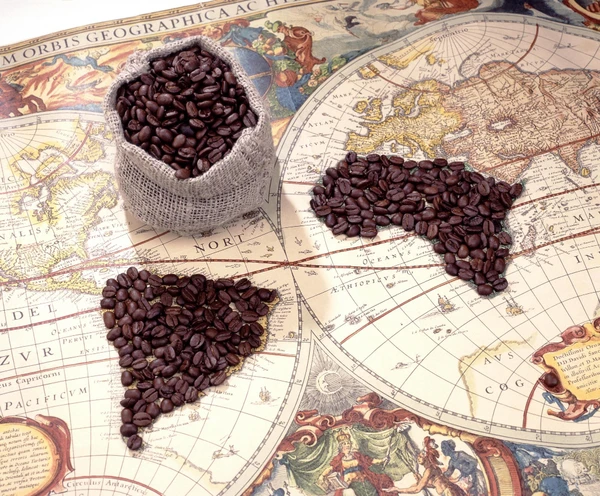
In the 17th century, the Dutch learned about this remarkable beverage and, characteristically entrepreneurial, decided to bypass middlemen by cultivating coffee trees themselves. They successfully established plantations on the island of Java, creating what would become one of the world’s premier coffee-growing regions. A few years later, the Dutch king gifted several coffee trees to the French monarch, introducing coffee to France—a country that would develop one of the world’s most sophisticated café cultures. Without the resourceful Dutch, coffee might never have achieved its current global prominence.
From Europe, coffee saplings traveled to the Americas. By the 18th century, coffee cultivation had spread to Colombia, Brazil, Jamaica, Cuba, and Guatemala. Central and South America quickly became—and remain today—the world’s primary coffee-producing regions, supplying the vast majority of global coffee consumption.
How Was Coffee Originally Prepared?
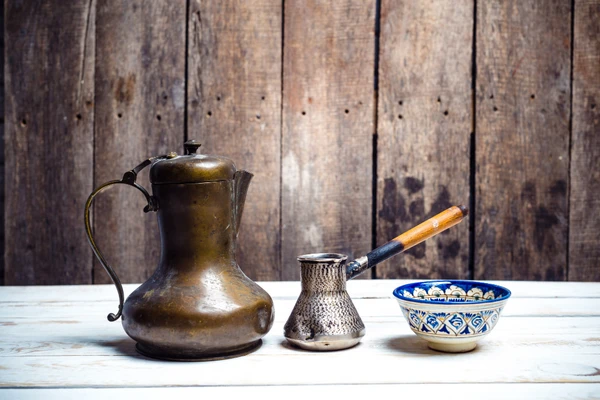
From its earliest days, coffee bore little resemblance to today’s refined beverage. The initial infusion made from whole berries was visually unappealing, with its only redeeming quality being its energizing effect. Only in the 12th century, when coffee reached Turkey, did people begin grinding and roasting the beans—a revolutionary development that transformed coffee’s flavor profile entirely. By the mid-14th century, the first dedicated coffee pots appeared, though nearly every country claims to have invented the first coffee house, making it impossible to definitively establish where these establishments first opened.
Coffee’s reception wasn’t universally warm. In many places, it sparked serious controversy. In Venice, the drink was famously declared “Satan’s brew” by religious authorities, and only papal intervention ended the heated debates. The beverage faced resistance in many cultures before eventually winning hearts worldwide.
The evolution of coffee preparation methods mirrors technological advancement itself. Early methods included the ibrik (a lidded copper pot), the dallah (a traditional Arabic coffee pot), and the cezve (Turkish coffee pot). These gave way to specialized coffee samovars in the 19th century, followed by the first steam-powered coffee makers and French presses. Today, we have hundreds of brewing devices, from sophisticated espresso machines to simple pour-over drippers, and fully automated coffee makers that produce café-quality drinks at the push of a button.
Modern Coffee Culture and Preparation Methods
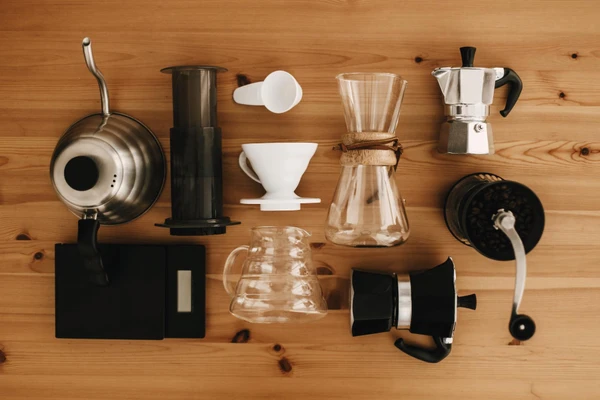
The second half of the 19th century brought a revolution to coffee consumption. Roasted, pre-ground coffee began appearing in European and American grocery stores, packaged in convenient bags. For the first time, coffee enthusiasts could enjoy their favorite beverage at home without the laborious process of roasting and grinding beans themselves.
This accessibility sparked innovation in home brewing equipment. Inventors developed increasingly sophisticated devices: percolators, vacuum pots (siphons), improved French presses, and eventually, the iconic Moka pot in 1933. Each advancement brought coffee closer to the masses while maintaining—and often improving—the quality of the final cup.
The 20th century saw espresso’s rise to dominance, particularly after World War II. Italian engineering created machines capable of forcing hot water through finely ground coffee at high pressure, producing the concentrated, flavorful shot that became the foundation for countless coffee drinks. This innovation laid the groundwork for modern café culture as we know it.
Popular Coffee Recipes: Finding Your Perfect Cup
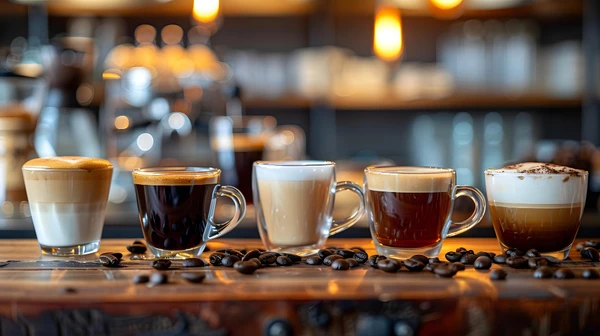
Today, hundreds of coffee recipes exist, with virtually every culture contributing unique variations. Many drinks originally created in specific regions have achieved global popularity. Among the most beloved:
Espresso – This foundational coffee preparation forces hot water under pressure through finely ground coffee. Developed in early 20th-century Italy, espresso isn’t just a standalone drink but serves as the base for countless other coffee beverages. A proper espresso should be rich, aromatic, and topped with golden-brown crema.
Americano – Despite its name, this drink was actually invented in Italy during World War II. American soldiers stationed there found traditional Italian espresso too strong and concentrated for their tastes. Italian baristas accommodated them by diluting espresso with hot water, creating a drink that resembled the drip coffee Americans knew from home. The “Caffè Americano” became so popular it earned permanent menu status.
Latte – This smooth, creamy drink combines espresso with steamed milk and a small amount of milk foam. The latte’s mild flavor profile and versatility make it one of the world’s most popular coffee drinks. Modern variations include flavored syrups, alternative milks, and artistic latte foam designs.
Cappuccino – The classic Italian breakfast drink balances equal parts espresso, steamed milk, and milk foam. Traditional cappuccinos are consumed only in the morning in Italy, though this custom hasn’t transferred to American coffee culture, where cappuccinos are enjoyed throughout the day.
Flat White – Originating in Australia or New Zealand (both countries claim its invention), the flat white features espresso topped with microfoam—steamed milk with tiny, velvety bubbles that create a smooth, creamy texture without the thick foam layer of a cappuccino.
Coffee enthusiasts constantly experiment with these classics, creating endless variations. Cold brew has exploded in popularity in recent years, offering a smooth, less acidic alternative to traditional hot coffee. Nitro cold brew adds nitrogen gas for a creamy, cascading effect reminiscent of draft beer. Seasonal variations incorporate pumpkin spice, peppermint, or caramel, while adventurous coffee lovers experiment with ingredients like honey, citrus, exotic spices, and even savory additions.
The Rise of Instant Coffee
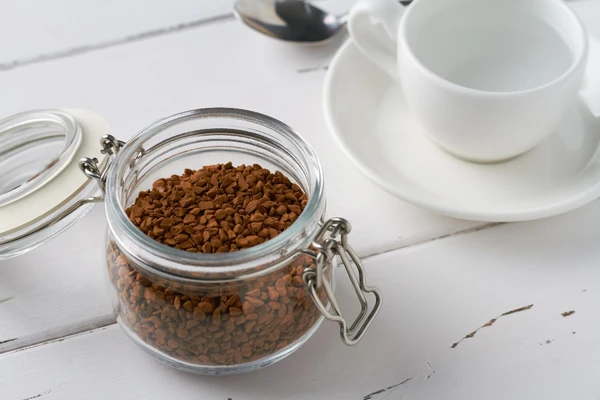
Not everyone has time or equipment to brew fresh coffee from whole beans. Enter instant coffee, invented in 1890 by David Strang, a New Zealand inventor who patented a method for creating soluble coffee powder. However, his product didn’t gain commercial success.
The breakthrough came in 1938 when Nestlé chemist Max Morgenthaler developed an improved freeze-drying process after seven years of research. The resulting product, marketed as Nescafé, revolutionized coffee consumption worldwide. During World War II, instant coffee became a staple for American troops, and returning soldiers brought the convenience habit home.
Today’s instant coffee market offers remarkable variety. Premium freeze-dried crystals capture much more flavor than early products. Some brands add small amounts of finely ground coffee for enhanced taste. Specialty instant coffees from single origins provide convenience without completely sacrificing quality.
Decaffeinated coffee has also evolved significantly since Ludwig Roselius first patented a commercial decaffeination process in 1905. Modern methods like the Swiss Water Process remove caffeine while preserving flavor, allowing coffee lovers to enjoy the taste they love without the stimulant effects.
Recent innovations include single-serve pour-over coffee bags (similar to tea bags), cold brew concentrate bottles, and ready-to-drink canned coffees that deliver café-quality beverages anywhere, anytime.
Coffee’s Enduring Legacy
From a simple discovery by an Ethiopian goat herder to a $200+ billion global industry, coffee’s journey reflects human ingenuity, cultural exchange, and our universal desire for connection and ritual. Whether you prefer a traditional Turkish coffee, a perfectly pulled espresso, or a convenient instant cup, every sip connects you to over a thousand years of history.
The coffee we enjoy today represents centuries of cultivation knowledge, roasting expertise, and brewing innovation. As third-wave coffee culture continues to evolve, emphasizing origin transparency, sustainable farming, and artisanal preparation, we honor coffee’s rich heritage while pushing its possibilities forward.
Related Articles

Robusta (Coffea canephora)
Definition Coffea canephora, commonly known as Robusta, is the second most cultivated coffee species worldwide, characterized by its resilience to…
Read moreDetails
Arabica (Coffea arabica)
Definition Coffea arabica (comparison with robusta) is the most widely cultivated and consumed coffee species, known for its superior taste…
Read moreDetails
How to Make Coffee in a Moka Pot
Mastering Stovetop Espresso: Tips and Techniques For lovers of full-bodied, strong coffee, the Moka pot is an ideal brewing method….
Read moreDetails
How to Make Pour Over Coffee
Mastering Manual Brewing: Pour Over Tips and Techniques Pour over coffee represents one of the most popular manual brewing methods,…
Read moreDetails