
 Home
Home Recipes
 Beans
Beans Gear
Gear Roasting
 Brewing
 FAQ
FAQ
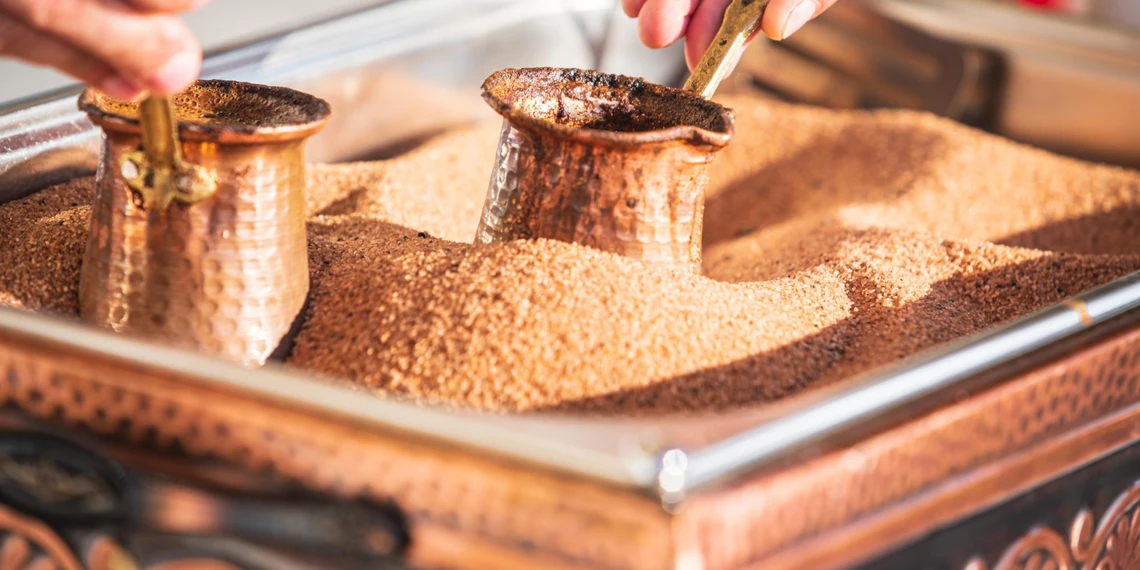
The Turkish coffee pot—known as a cezve, ibrik, or simply a Turkish coffee pot—represents one of the world’s oldest coffee brewing methods. Because there’s no filtration and the ultra-fine coffee grounds remain in the beverage, Turkish coffee has a distinctively thick, full body. The high brewing temperature and extended contact time create an intensely strong cup.
Grind Size
PRO TIP:
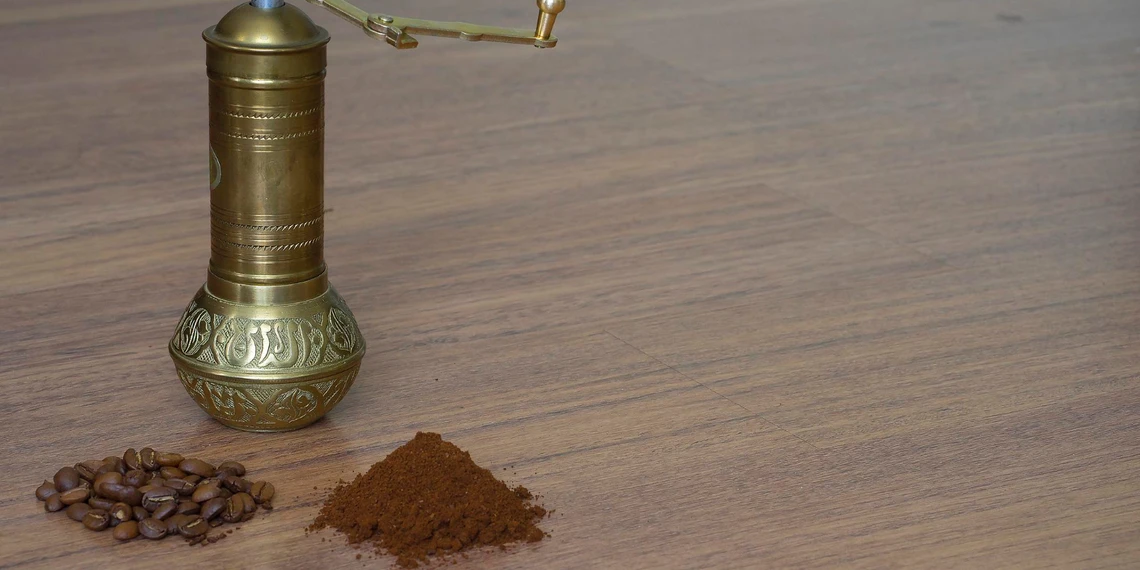
Turkish coffee is the only brewing method where blade grinders can actually work well, though a quality burr grinder set to the finest setting is still ideal.
Turkish coffee requires the finest grind possible—essentially a powder. When you rub it between your fingers, it should feel like dust or flour with virtually no grit.
Coffee Dosage
PRO TIP:
Don’t be afraid to experiment with your coffee-to-water ratio to find the strength that works best for you.
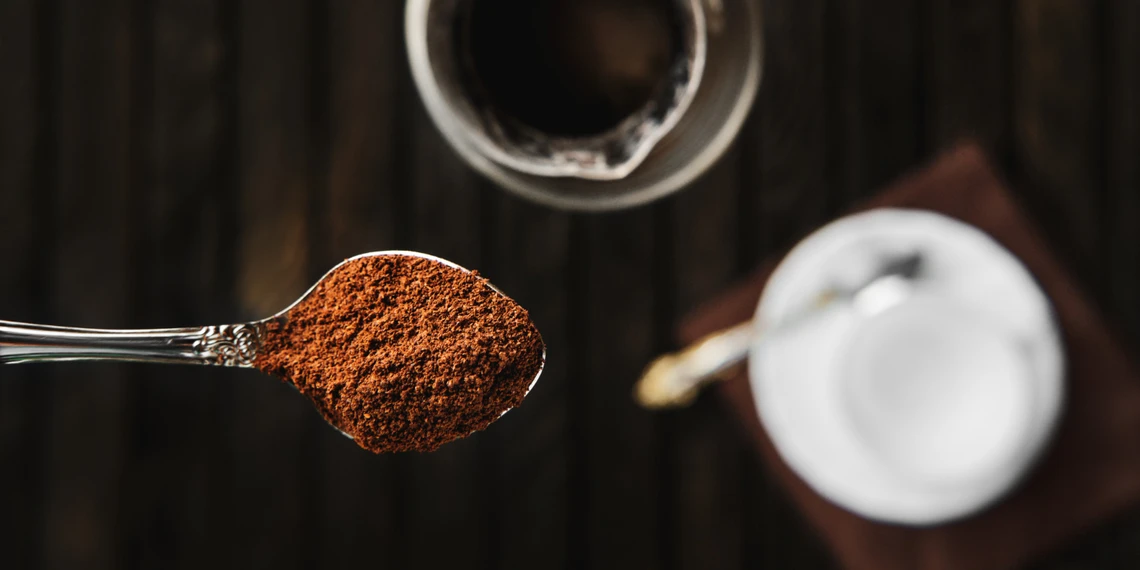
The size of your ibrik determines how much coffee you’ll use. If you’re unsure of the capacity, measure it before brewing—fill it with water up to where the neck begins to narrow. The standard ratio is 2 ounces (60g) of coffee per liter of water, which translates to roughly 1/4 ounce (7g) of coffee for a typical small ibrik (about 4 oz/120ml of water). This ratio accounts for the foam that will rise during brewing.
Water Quality
After adding your ground coffee to the ibrik, pour in cold, filtered water. Fill it to just below where the neck begins to narrow—you need to leave room for the foam to rise without overflowing.
Raising the Foam
PRO TIP:
If you’re using a ceramic ibrik or any material that retains heat, remove it from the burner slightly early to prevent overflow as the foam continues to rise from residual heat.
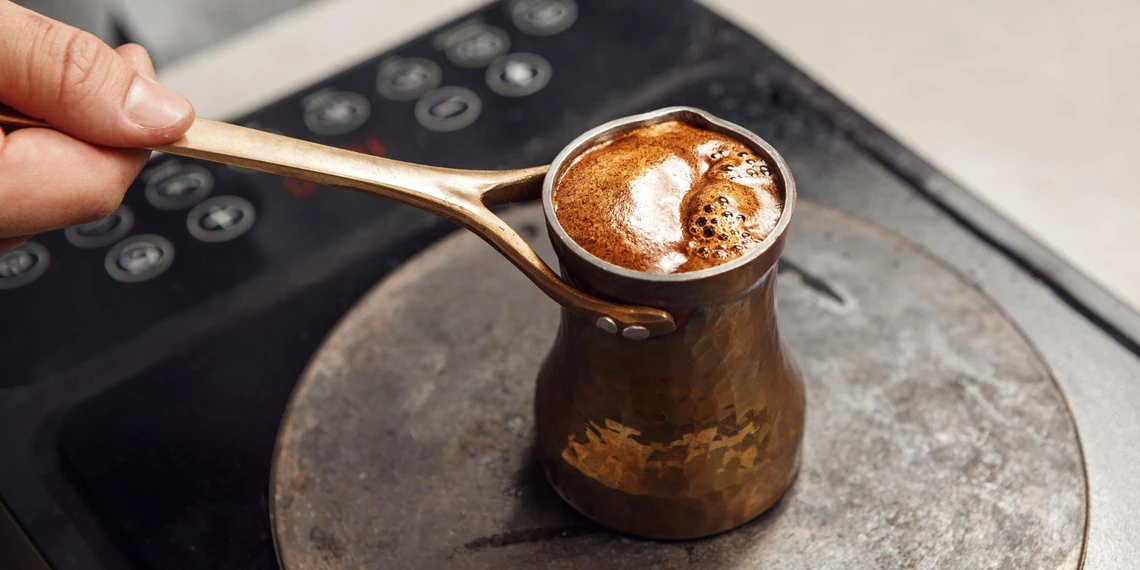
Place your ibrik with the coffee and cold water on the stovetop over low-medium heat. Watch carefully as the foam begins to rise. Just before it reaches the top, remove the ibrik from the heat for 20-30 seconds until the foam settles back down. Once it’s settled, return the ibrik to the heat and wait for the foam to rise again. Repeat this process twice for the best results.
Pour and Serve

PRO TIP:
To minimize sediment in your cup, add about 1-2 teaspoons (5-10ml) of cold water to the ibrik after the final rise. This helps the grounds settle much faster.
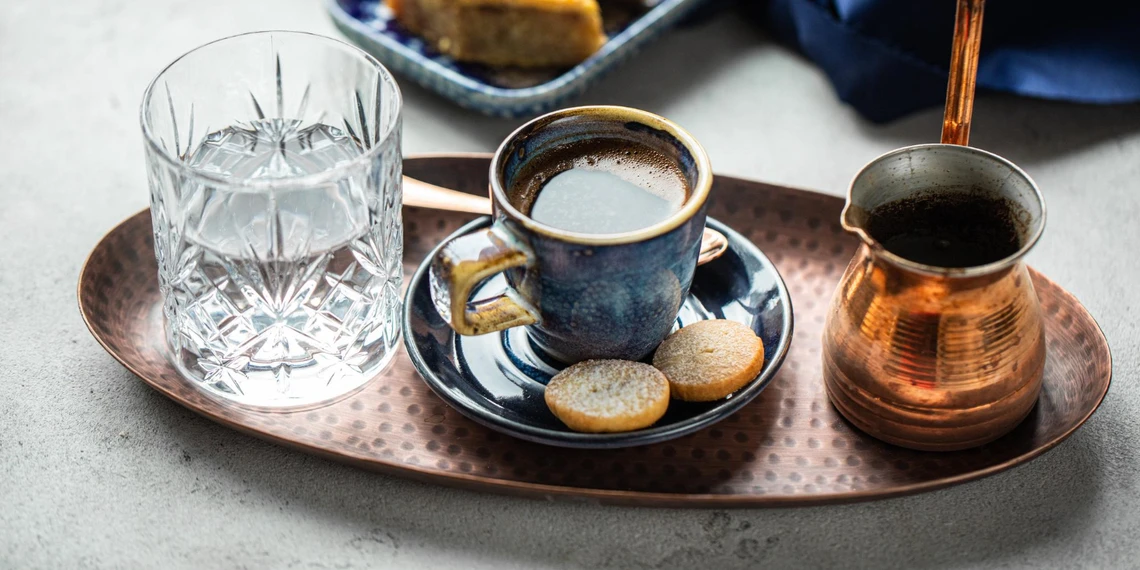
After the foam has risen for the second time, your Turkish coffee is ready to pour and enjoy.
Choosing the Right Ibrik
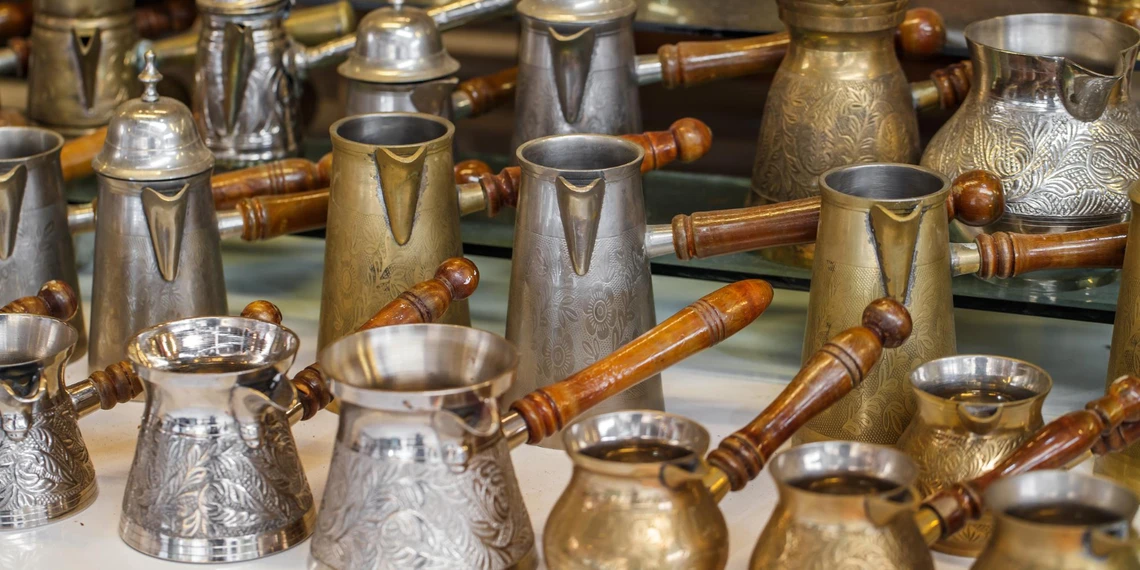
The material and construction of your ibrik significantly impacts your brewing results. Copper is the traditional choice and remains the most popular—it conducts heat evenly and allows precise temperature control. Look for thick-gauge copper with a tin lining for the best results. Brass offers similar benefits at a slightly lower price point. Ceramic ibriks look beautiful and retain heat well, but they heat slowly and can be tricky for beginners since they continue cooking even after removal from heat. Stainless steel is durable and easy to clean, though it doesn’t conduct heat as evenly.
Size matters more than you might think. An ibrik works best when filled nearly to capacity, so choose based on how many servings you typically make. A 6-8 oz (180-240ml) pot is perfect for two small servings, while a 3-4 oz (90-120ml) pot is ideal for a single cup. The classic design features a wide base for even heating and a narrow neck to contain the rising foam. Finally, ensure the handle is long enough to keep your hand safely away from the heat and angled for comfortable pouring.
Common Turkish Coffee Mistakes to Avoid

Even experienced coffee lovers make mistakes when first brewing Turkish coffee. Here’s what to watch out for:
- Using pre-ground coffee is the biggest mistake. Turkish coffee requires an ultra-fine grind that’s freshest when ground right before brewing. Pre-ground coffee, even if labeled “Turkish,” will already be stale.
- Heating too quickly prevents proper flavor extraction. Use low to medium heat—the entire brewing process should take 3-4 minutes. Rushing it produces bitter, underdeveloped coffee.
- Stirring during brewing disrupts the foam formation and can make your coffee muddy. Only stir once at the very beginning if you’re adding sugar, then leave it alone.
- Letting it boil is a cardinal sin. The foam should rise to the top, but the coffee itself should never reach a rolling boil. This destroys delicate flavors and creates excessive bitterness.
- Wrong coffee-to-water ratio either makes weak, disappointing coffee (too little) or undrinkably thick sludge (too much). Start with the 2 oz per liter (60g per 1L) ratio and adjust from there.
- Starting with hot water might seem like a time-saver, but cold water is essential for proper extraction as the coffee slowly heats.
Related Articles

How to Make Perfect Espresso at Home
Mastering Espresso: Expert Tips and Techniques Espresso is truly one of the most complex and fascinating coffee beverages. It’s arguably…
Read moreDetails
Coffee Frappé: How to Make an Authentic Greek Drink at Home
Frappé is a cold drink based on coffee, milk, and ice with some sweet addition, necessarily whipped into a foam in…
Read moreDetails