 Home
Home Recipes
 Beans
Beans Gear
Gear Roasting
 Brewing
 FAQ
FAQ
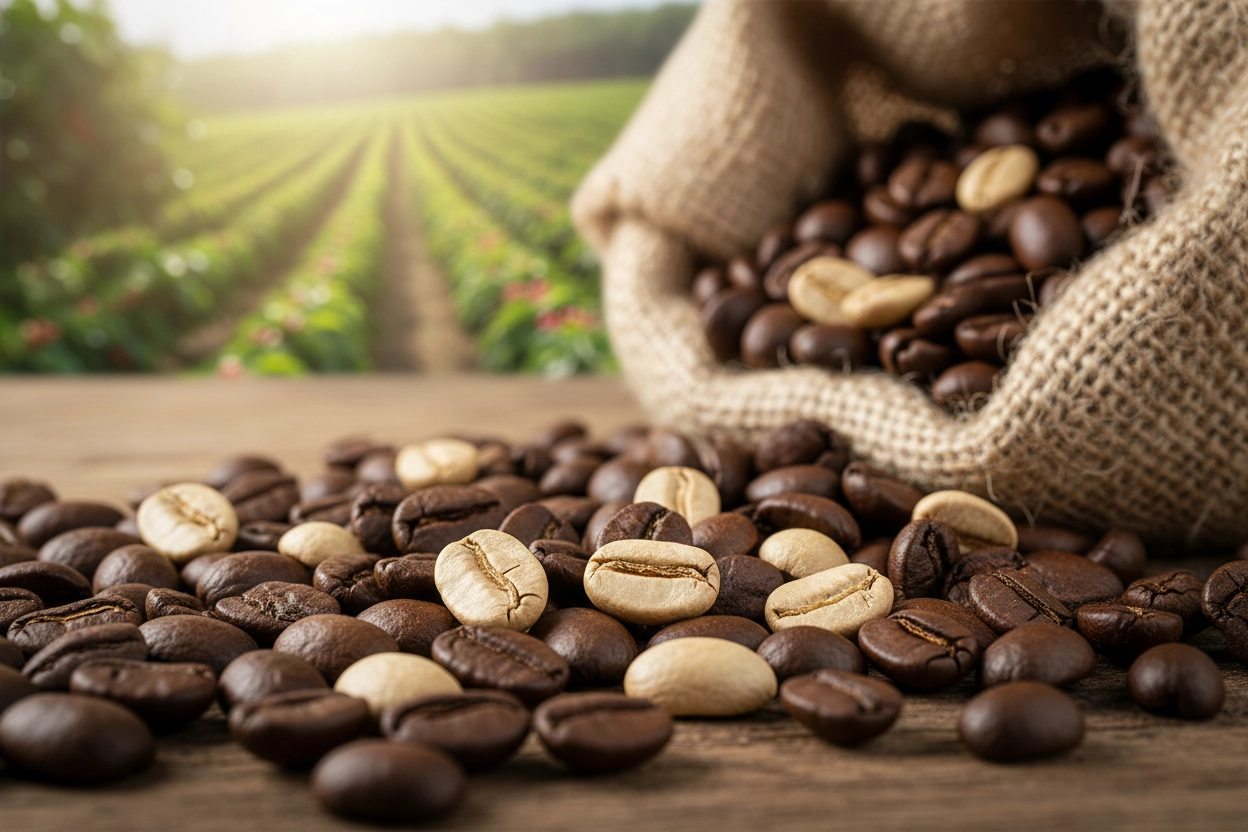
Ever seen pale, shriveled beans in your roasted coffee? These can ruin your morning coffee’s taste. I want to help you spot these underdeveloped seeds so you can enjoy a better cup every time.
Knowing what are coffee quakers is key for anyone who roasts coffee. These beans don’t caramelize right, giving off a grassy or peanut taste. My guide will teach you how to sort and remove them.
Spotting these defects early lets you control your coffee’s quality. Let’s explore how to make sure your next roast is perfect.
Key Takeaways
- Quakers are underdeveloped beans that fail to roast correctly.
- These defects often result from poor harvesting or immature cherries.
- They create unpleasant, thin, or grassy flavors in your drink.
- Visual inspection after roasting is the best way to remove them.
- Consistent sorting leads to a much higher quality final brew.
Defining What Are Coffee Quakers and Their Characteristics
When I examine roasted coffee, I search for light-colored beans that don’t darken. These are called quakers. They are a common challenge for roasters. Knowing coffee quaker definitions helps achieve a consistent, tasty roast.
A quaker is an underdeveloped, unripe coffee seed. It lacks the sugars and chemicals needed for the Maillard reaction during roasting. This makes it stay pale, even when other beans are richly colored.
Visual Identification of Unripe Beans
It’s crucial for roasters to spot coffee quaker characteristics. Look for beans that don’t darken. Healthy beans turn deep brown, but quakers stay chalky, yellowish, or light tan.
The best time to identify quakers is after cooling. Spread the beans under good light. This way, you can easily find the ones that don’t match the rest. This simple check ensures your coffee tastes balanced.
The Role of Density in Identifying Defects
Density is also key in spotting quakers. They are less dense than mature beans. This means they float in water or feel lighter.
Some roasters use this to sort beans. They use air-flow systems or gravity tables to separate the lighter, defective beans. Noticing these physical traits helps keep your coffee quality high.
Why Do Quakers Happen?
I often wonder why some coffee cherries never reach their full potential on the branch. Nature sometimes has other plans for the coffee plant. These underdeveloped beans, known as quakers, are essentially starved of the nutrients they need to ripen properly.
Agricultural Factors and Harvesting Practices
The most common cause of these defects is the inclusion of unripe cherries during the harvest. Pickers often collect both mature, red cherries and green, immature ones. These green cherries lack the necessary sugars, making them pale and hard even after roasting.
Proper training for farm workers is key to minimize this issue. Teaching pickers to select only the deepest red cherries can significantly reduce quakers. Selective harvesting is a labor-intensive practice but ensures quality.
The Impact of Processing Methods on Bean Development
Processing is crucial for bean maturation and stabilization. Rushed or inconsistent drying can hinder bean development. This is especially true in natural process coffees, where the fruit provides sugars during drying.
If the cherry is not fully ripe when it dries, it won’t develop the complex flavors needed. Inadequate fermentation or poor drying conditions can lock in these defects. This makes the bean structurally weak and prone to roasting unevenly.
Environmental Stressors During the Growing Cycle
Coffee plants are sensitive to their surroundings. Disruptions can hinder bean development. Drought, extreme heat, or a lack of essential soil nutrients can force a plant to abort its energy supply to certain cherries.
This biological response leads to cherries that look healthy but are hollow or underdeveloped inside. These environmental factors are often beyond the farmer’s control. Yet, they remain a primary driver of crop defects. Understanding these stressors helps us appreciate the difficulty of producing high-quality coffee.
| Factor | Primary Cause | Resulting Defect |
|---|---|---|
| Harvesting | Picking green cherries | Underdeveloped bean |
| Processing | Uneven drying | Lack of sugar development |
| Environment | Nutrient deficiency | Hollow bean structure |
| Climate | Extreme heat stress | Incomplete maturation |
The Impact of Quakers on Coffee Flavor
Coffee quaker roasting is often overlooked until you taste the disappointment. These beans lack sugars and density, so they don’t roast properly. This means they stay raw, ruining the flavor of what could be a great coffee.
Why Underdeveloped Beans Taste Like Peanut or Paper
Underdeveloped beans don’t create the complex flavors we love. Instead, they taste like raw peanut, hay, or dry paper. These harsh flavors dominate, hiding the coffee’s natural sweetness and fruitiness.
“The quality of the roast is only as good as the integrity of the green coffee bean itself.”
Quakers can’t roast like normal beans because of their internal structure. They miss out on the Maillard reaction, which is key for flavor. So, they taste more like raw legumes than roasted coffee.
How Quakers Disrupt the Balance of Your Brew
Quakers mess up the balance of your coffee. A good cup has acidity, sweetness, and body in harmony. But quakers make the coffee feel thin and watery, lacking the rich texture we expect.
Also, quakers don’t add sweetness, making the coffee taste sharp and unpleasant. By fixing these issues, you can enjoy the coffee’s true taste and origin.
Distinguishing Quakers from Other Coffee Defects
To master roasting, you need to know the difference between quakers and other coffee defects. There are many imperfections in green coffee. Understanding the types of coffee quakers helps improve your sorting skills. Not all defects affect coffee the same way, so it’s important to know what to look for.
Quakers vs. Black Beans and Sour Beans
It’s easy to mix up different defects if you’re not careful. Quakers are underdeveloped beans that don’t brown well. Black beans and sour beans come from fermentation problems or damage.
- Quakers: Pale, tan, or light-colored beans that stay hard after roasting.
- Black Beans: Dark, shriveled, and often caused by mold or severe over-fermentation.
- Sour Beans: Often yellowish or reddish and have a bad fermented smell.
Comparing Physical Appearance and Roasting Behavior
The look of these beans tells you how they’ll act in your roaster. Quakers stay light and dense. Black beans might burn or fall apart, making the coffee taste bitter.
| Defect Type | Visual Cue | Roast Behavior |
|---|---|---|
| Quaker | Light/Tan | Remains hard/underdeveloped |
| Black Bean | Dark/Shriveled | Carbonizes/Bitter |
| Sour Bean | Yellow/Reddish | Off-gasses foul odors |
Why Some Defects Are More Harmful Than Others
I focus on removing certain defects because of their impact on taste. Some types of coffee quakers add a nice flavor, but others can ruin the coffee.
“Quality control is not just about removing the bad; it is about protecting the integrity of the good.”
Black and sour beans are worse than quakers because they can taint the coffee. A few quakers might be okay, but one sour bean can spoil a whole pot. Always remove the most volatile defects first to keep your coffee tasting good.
Practical Methods for Removing Quakers
Learning a few simple sorting habits can change your home-roasted coffee game. Using effective coffee quaker removal techniques ensures only top-quality beans reach your grinder.
Sorting your harvest improves your coffee’s clarity and sweetness. This is key to avoiding bad flavors from underdeveloped beans.
Manual Sorting Techniques for Home Roasters
I use a tray-based method when roasting at home. I spread green coffee beans on a white surface under bright light. This makes pale, underdeveloped quakers easy to spot.
Sorting by hand lets me remove any bean that looks bad. It’s a slow process but very reliable for small-batch roasters.
Optical Sorting Technology in Commercial Production
Big roasters deal with huge amounts of coffee every day. They use advanced machines to sort beans fast.
These machines have high-resolution cameras and sensors. They catch color changes that humans might miss. Any quaker is quickly removed, keeping the roast even.
The Importance of Post-Roast Inspection
Even with good pre-roast sorting, some defects can hide. I always check my beans after roasting to catch any that didn’t develop right.
These beans are usually lighter than the rest. They’re easy to spot against a darker roast. Adding this step is vital to avoid bad flavors. It makes your coffee taste better every time.
Ensuring Quality Through Proper Grading and Sourcing
Enjoying a perfect cup of coffee starts before the beans hit your grinder. Choose roasters who are open about their supply chain. They know how different coffee grades affect your coffee’s taste.
Quality producers sort beans carefully to avoid underdeveloped ones. Buying from Stumptown Coffee Roasters or Intelligentsia means you get top-notch coffee. These brands use advanced tech to keep their coffee quality consistent.
Ask your local roaster about where their beans come from. Knowing this adds to your appreciation for the effort put into your coffee. Supporting quality over convenience helps the coffee industry grow.
I aim to improve your coffee taste and enjoyment. Try new origins and roasts to find your favorite. Your coffee journey starts with the next bag you buy.