 Home
Home Recipes
 Beans
Beans Gear
Gear Roasting
 Brewing
 FAQ
FAQ
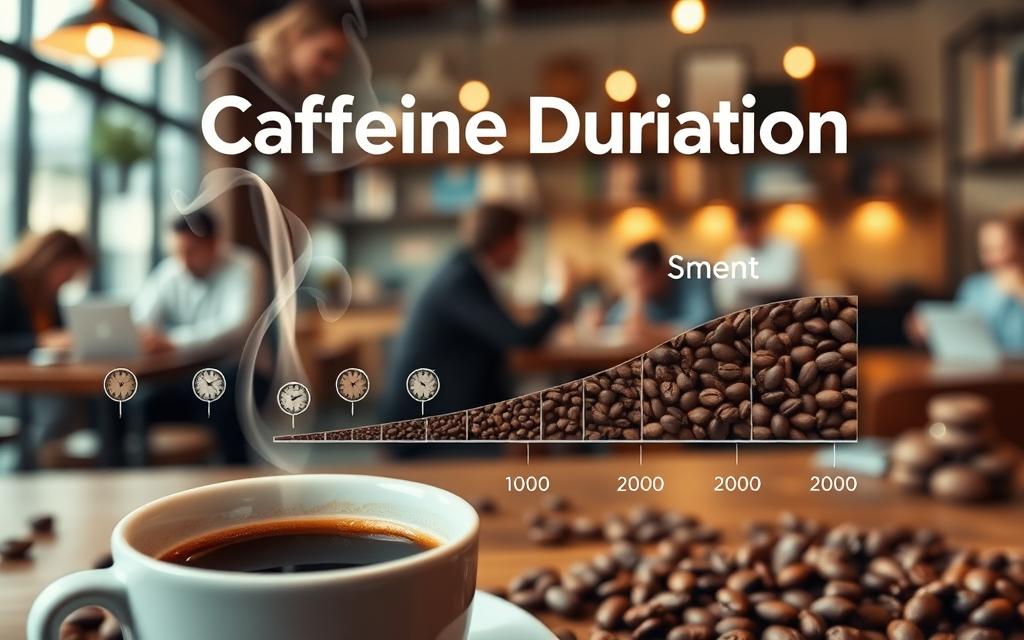
Ever thought about when the caffeine kick from your morning coffee will wear off? Or maybe you’re wondering how long it takes for your body to get rid of caffeine? Knowing how long caffeine lasts is key to keeping your energy up and avoiding jitters.
Let’s explore the caffeine duration and its effects timeline. We’ll look at everything from the first sip to when caffeine is fully gone. We’ll also see what affects how long it stays in your body.
Key Takeaways
- Caffeine’s effects can last anywhere from 4 to 6 hours
- Factors like age, weight, and metabolism influence caffeine duration
- Caffeine can stay in your system for up to 24 hours
- Understanding your caffeine sensitivity is crucial
- Being mindful of caffeine intake can help avoid negative side effects
The Science Behind Caffeine
Caffeine works by being absorbed into the bloodstream and spreading through the body. It blocks adenosine receptors in the brain. This leads to more alertness and energy.
The caffeine metabolism rate changes from person to person. It depends on genetics, age, and liver health. On average, it takes 5 to 6 hours to break down half of the caffeine. So, if you drink 200mg of caffeine, 100mg will still be active after 5 to 6 hours.
Caffeine’s caffeine peak happens 1 to 2 hours after drinking it. At this time, its effects are strongest. Then, as the body starts to break it down, the effects slowly fade.
| Time | Caffeine Level | Effects |
|---|---|---|
| 0-1 hour | Increasing | Alertness, energy boost |
| 1-2 hours | Peak | Maximum alertness, enhanced performance |
| 2-6 hours | Declining | Gradual decrease in alertness |
Things like liver health, age, and genetics affect how fast caffeine is broken down. Knowing this can help you control how much caffeine you have.
How Long Does Caffeine Last? Understanding the Timeline
Caffeine’s effects on your body don’t last forever. Let’s look at its timeline. When you drink caffeine, it gets into your blood quickly. This starts its effects within 15 to 45 minutes.
This first phase is key. It sets how you’ll feel for the next few hours.
As caffeine peaks in your blood, you feel its strongest effects. This usually happens 1 to 2 hours after you drink it. You might feel more alert and energetic during this time.
But remember, this peak effect fades as your body starts to break down and get rid of the caffeine.
The half-life of caffeine varies. It’s the time it takes for your body to get rid of half of it. It usually ranges from 2.5 to 10 hours. Your age, liver health, and smoking can affect this.
Knowing this timeline helps you manage your caffeine better. It lets you keep your energy up without feeling jittery or crashing later.
Here’s a simple timeline of caffeine’s effects:
- Caffeine is absorbed into the bloodstream within 15-45 minutes.
- Peak effects are reached within 1-2 hours.
- The half-life of caffeine ranges from 2.5 to 10 hours.
- Complete elimination can take up to 24 hours or more.
Being aware of these stages helps you use caffeine wisely. This way, you can stay energized without feeling jittery or crashing later.
From First Sip to Peak: The Initial Hours
Caffeine doesn’t kick in right away. It takes time from the first sip to feeling its full effect. When you drink coffee, caffeine goes into your bloodstream and starts its journey through your body.
How Long Does it Take for Caffeine to Kick In?
It usually takes 15 to 45 minutes for caffeine to start working. This time can change based on your metabolism, body weight, and if you’ve eaten recently.
After caffeine starts working, its levels keep going up until they hit a peak. This peak usually happens 1 to 2 hours after you drink it. Knowing this timeline helps you plan when to drink coffee for the best results.
| Time | Caffeine Effect |
|---|---|
| 0-15 minutes | Caffeine starts to be absorbed |
| 15-45 minutes | Initial effects become noticeable |
| 1-2 hours | Caffeine levels peak |
Knowing when caffeine peaks helps you manage your energy and work better. This knowledge lets you get the most out of your coffee.
The Complete Caffeine Timeline in Your Body
Knowing how caffeine works in your body is key to feeling its effects right. When I drink caffeine, it starts its journey, affecting my energy and alertness.
After drinking caffeine, it quickly gets into my blood. This happens in 30 minutes to 2 hours. During this time, I feel more awake and full of energy. The peak effects of caffeine are usually experienced within 1-2 hours after consumption.

As caffeine leaves my body, its effects start to fade. The caffeine withdrawal timeline varies for everyone. It depends on how fast I metabolize it and how much I drink. Caffeine’s half-life is about 5 hours. This means if I drink 200mg of caffeine, 100mg will still be in me after 5 hours.
Here’s a simple guide on what happens to caffeine in my body over time:
| Time | Caffeine Level | Effects |
|---|---|---|
| 0-30 minutes | Rising | Increasing alertness |
| 1-2 hours | Peak | Maximum alertness and energy |
| 2-5 hours | Declining | Gradual decrease in alertness |
| 5+ hours | Low | Potential withdrawal symptoms |
A caffeine expert says, “Caffeine’s effects can last for hours. Its withdrawal can cause headaches and tiredness.”
“Caffeine is a drug that can have significant effects on the body, and understanding its timeline can help users manage their intake.”
It’s important to control how much caffeine I drink to avoid bad side effects. Knowing how long caffeine stays in my system helps me plan better.
Factors That Affect How Long Caffeine Stays in Your System
Knowing what affects caffeine’s stay in our bodies is key. When I drink caffeine, many things can change how it works in me.
Metabolism Rate: My metabolism rate is a big factor. Everyone metabolizes caffeine differently. This means some people feel its effects longer than others.
Caffeine Sensitivity: How sensitive I am to caffeine also matters. Some people react more strongly to it, even at small amounts. This can change how long its effects last for them.
Age, weight, and health also play roles. For example, older people or those with health issues might feel caffeine’s effects longer. This is because their metabolism might be slower or they might be more sensitive.
To handle caffeine well, knowing these factors is important. By understanding how my body reacts, I can enjoy caffeine’s benefits without the downsides.
Caffeine and Sleep: The Critical Relationship
Many wonder how late they can drink coffee without affecting sleep. Caffeine is a stimulant that can impact sleep quality. Knowing this is key for those who love coffee but also want a good night’s rest.
Caffeine works by blocking adenosine, a chemical that makes us tired. Drinking too much caffeine or too close to bedtime can make falling asleep hard. It’s not just about avoiding coffee at night but also being aware of caffeine’s effects all day.
To not mess with sleep, stop caffeine at least 6 hours before bedtime. But, this can change based on how you react to caffeine and your metabolism. For some, even a little caffeine in the afternoon can mess with sleep at night.
To handle caffeine well, think about your sleep schedule and how caffeine affects you. If you’re sensitive, stop drinking coffee earlier. If you’re not as sensitive, you might be able to drink coffee later without problems.
For a good balance, know the caffeine in your drinks, avoid it before bed, and keep a regular sleep schedule. Being mindful of these can help you enjoy coffee without losing sleep quality.
Understanding caffeine and sleep helps you make smart choices about coffee. By knowing how caffeine affects you and adjusting your intake, you can enjoy its benefits while sleeping well.
Signs You’re Sensitive to Caffeine’s Duration
Caffeine sensitivity can show up in many ways, from mild to severe. If you notice any unusual or lasting effects after drinking caffeine, you might be sensitive to it.
Some common signs of caffeine sensitivity include:
- Jitters or shakiness
- Rapid or irregular heartbeat
- Nervousness or anxiety
- Insomnia or disrupted sleep patterns
- Digestive issues
If you’re feeling any of these symptoms, it’s time to check your caffeine intake. Reducing your caffeine consumption or switching to decaf might help.
It’s important to know how your body reacts to caffeine. If you’re not sure or symptoms don’t go away, talk to a healthcare professional for advice.
Being aware of how much caffeine is too much for you can prevent unwanted side effects. This way, you can enjoy caffeine safely and without worry.
Managing Your Caffeine Consumption
It’s important to manage your caffeine intake well. This helps you enjoy its benefits without the downsides. Knowing how long caffeine stays in your system is key to making smart choices.
To manage your caffeine intake effectively, consider the following strategies:
- Monitor your caffeine intake from all sources, including coffee, tea, chocolate, and certain medications.
- Be mindful of the timing of your caffeine consumption to avoid disrupting your sleep patterns.
- Adjust your intake based on your sensitivity to caffeine and your individual needs.
Optimal Caffeine Intake Levels vary from person to person. A good rule of thumb is to keep daily caffeine intake under 400 milligrams. This is about the amount in three to four cups of brewed coffee.
Timing is everything when it comes to caffeine. Drinking it too close to bedtime can hurt your sleep. Try to avoid caffeine for at least 4-6 hours before bed.

Knowing how long caffeine lasts in your system helps you use it wisely. It’s about listening to how your body reacts and adjusting as needed. This way, you can enjoy caffeine’s benefits without its negative effects.
Caffeine Withdrawal Timeline: What to Expect
Stopping or reducing caffeine can cause withdrawal symptoms. Knowing what to expect can help. When you stop caffeine, your body reacts because it’s used to it.
The caffeine withdrawal timeline varies by person. Symptoms can start 12 to 24 hours after the last caffeine. The severity and how long symptoms last depend on how much caffeine you used and your sensitivity.
Common symptoms include headaches, fatigue, irritability, and trouble concentrating. These symptoms can be mild or severe and usually peak in 48 hours.
| Timeframe | Common Symptoms |
|---|---|
| 12-24 hours | Headaches, fatigue |
| 24-48 hours | Irritability, difficulty concentrating |
| 48+ hours | Gradual improvement |
Understanding the caffeine withdrawal timeline helps prepare for caffeine side effects. Knowing what to expect can make it easier.
Experiences with caffeine withdrawal vary a lot. If you’re cutting back on caffeine, do it slowly to lessen symptoms.
Conclusion: Finding Your Optimal Caffeine Balance
Knowing how long caffeine stays in your body is key to managing caffeine intake well. Spotting signs of caffeine sensitivity and knowing what affects its stay can guide your choices. This way, you can control how much caffeine you take each day.
To find the right amount of caffeine for you, pay attention to how your body reacts. Adjust your caffeine use based on your body’s signs. This approach helps you enjoy caffeine’s perks without its downsides.
With the knowledge from this article, you can tailor your caffeine use. This ensures it boosts your day without causing harm or discomfort.
Related Articles

Caffeine in coffee: how many mg in a cup of instant, ground and filter coffee, in espresso and in green coffee
I will not write about the benefits and harms of caffeine, its effect on the body, the content of caffeine…
Read moreDetails
What is Lungo Coffee? (Complete Brewing Guide)
I’ll show you the complete guide to Lungo Coffee, including how it differs from espresso and Americano, and how to…
Read moreDetails
Where Is More Caffeine: Tea or Coffee?
Wondering if tea or coffee has more caffeine? I break down the caffeine content and explore other surprising caffeine-containing foods…
Read moreDetails
How Coffee Grind Size Affects Taste (Complete Guide)
The complete guide on how coffee grind size impacts flavor. Learn the best grind for each brewing method.
Read moreDetails
What Are Coffee Quakers? (Defects & How to Avoid Them)
What Are Coffee Quakers and how do they affect your brew I explain their causes impact on taste and how…
Read moreDetails