
 Home
Home Recipes
 Beans
Beans Gear
Gear Roasting
 Brewing
 FAQ
FAQ

Mastering Stovetop Espresso: Tips and Techniques
For lovers of full-bodied, strong coffee, the Moka pot is an ideal brewing method. This Italian classic produces rich coffee through a unique process: steam pressure forces hot water from the lower chamber up through the coffee grounds and into the upper reservoir. As the water travels through the ground coffee, it extracts bold flavors and oils, creating a concentrated brew that sits beautifully between drip coffee and true espresso (these fundamentals apply here too).
What is a Moka Pot?
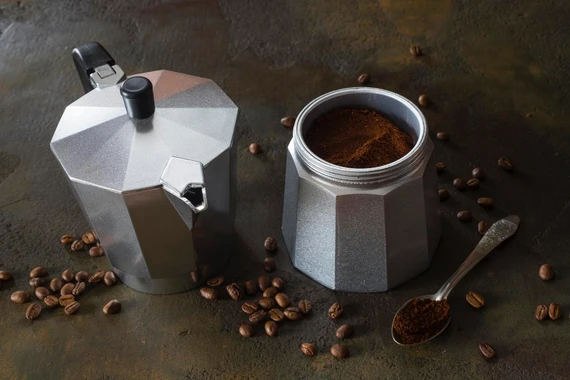
The Moka pot, also called a stovetop espresso maker or “macchinetta,” was invented by Italian designer Alfonso Bialetti in 1933. The iconic octagonal aluminum design has become a symbol of Italian coffee culture and remains largely unchanged nearly a century later. While it doesn’t produce true espresso (which requires 9 bars of pressure), a Moka pot generates enough pressure to create a similarly concentrated, flavorful brew at a fraction of the cost of an espresso machine.
The classic three-chamber design consists of a bottom water reservoir, a middle filter basket for ground coffee, and an upper collection chamber. As water heats, steam pressure builds and pushes water up through the grounds—a simple yet brilliant engineering solution that delivers consistent results.
Grind Size
PRO TIP:
Experiment with your grind size. Try brewing at different settings to achieve your ideal flavor profile.
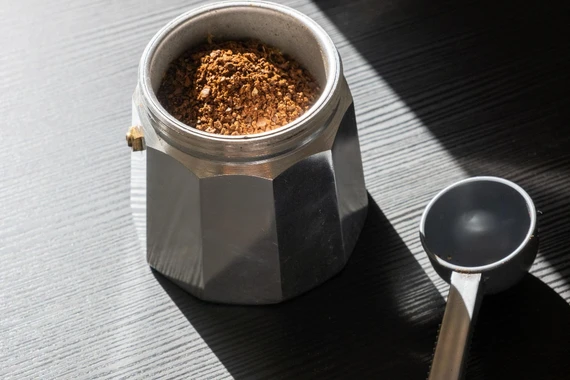
For Moka pot brewing, use a medium-fine grind—slightly coarser than espresso but finer than drip coffee. Visually, it should resemble table salt or fine sand to the touch. This grind size allows proper extraction without clogging the filter or letting water rush through too quickly.
If your coffee tastes bitter and over-extracted, try a slightly coarser grind. If it’s weak and sour, go finer. The grind size directly impacts extraction time and flavor balance, so small adjustments can make a significant difference.
Coffee and Water Ratio
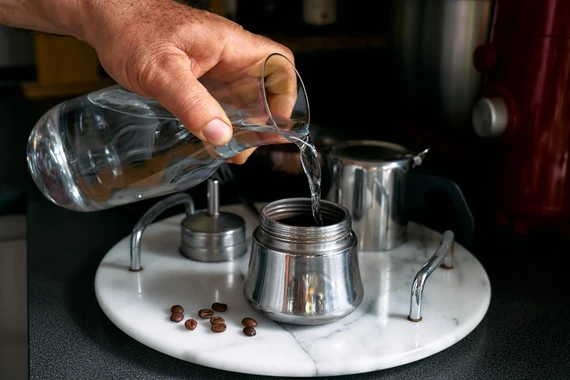
Unlike other brewing methods, you don’t need a scale for Moka pot coffee—the manufacturer has essentially pre-determined the coffee-to-water ratio through the design of the chambers. Simply fill the lower chamber with water up to the safety valve (never above it), and fill the filter basket completely with ground coffee without pressing down.
However, you can adjust strength by slightly under-filling the filter basket for a lighter brew, though most Moka pot enthusiasts prefer filling it to the brim for maximum flavor.
Water Temperature
We recommend starting with hot or pre-boiled water rather than cold tap water. Using hot water significantly reduces brewing time and prevents the coffee grounds from “cooking” on the stovetop for too long, which can create burnt, bitter flavors. This simple trick dramatically improves the final cup quality.
Fill your kettle, bring water to a boil, then add it to the Moka pot’s lower chamber. This approach also makes the brewing process more predictable and consistent.
Choosing the Right Moka Pot
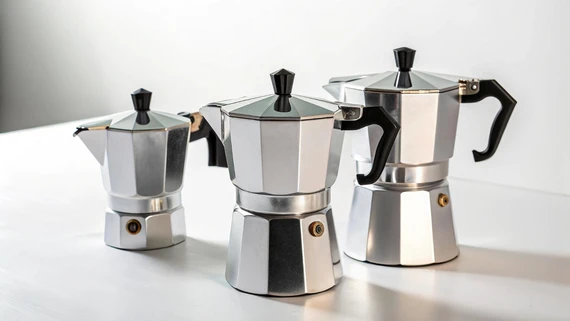
Moka pots come in various sizes, typically measured in espresso-sized cups (approximately 2 oz each). Common sizes include 3-cup (4.5 oz), 6-cup (9 oz), and 9-cup (13.5 oz) models. Choose based on your typical consumption—these devices work best when filled to capacity, so don’t buy a 9-cup pot if you usually brew for one.
Aluminum vs. Stainless Steel: Traditional aluminum pots are lightweight, affordable, and conduct heat well. Stainless steel versions cost more but work on induction stovetops, are more durable, and some coffee purists claim they don’t impart any metallic taste. Both produce excellent coffee when used correctly. Detailed comparison of moka pot types.
Brewing Process
PRO TIP:
Don’t leave the Moka pot on the burner after all the water has traveled through—this leads to excessive bitterness and a burnt taste.
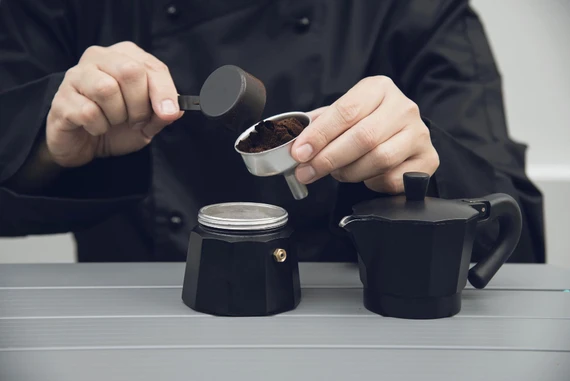
- Assembly: Fill the lower chamber with hot water to just below the safety valve. Insert the filter basket and fill it with medium-fine ground coffee. Level it gently but don’t tamp or compress. Screw the top and bottom chambers together firmly.
- Heat Application: Place the Moka pot on your stovetop over medium to medium-low heat. If using gas, ensure the flame doesn’t extend beyond the base of the pot. Keep the lid open to monitor the process.
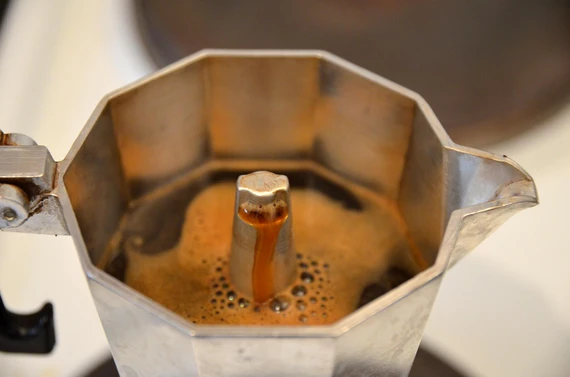
- Extraction: After 3-4 minutes (depending on pot size and starting water temperature), coffee will begin gurgling up into the upper chamber. You’ll see a steady stream of dark coffee emerging from the central column.
- Finishing: When you hear a hissing, sputtering sound and see a blonde, bubbly stream, remove the pot immediately from heat. This signals that all the water has passed through. Run the base under cold water to stop extraction, or simply let it rest off-heat.
Common Moka Pot Mistakes
Using cold water prolongs the heating time, essentially “cooking” your coffee grounds and creating bitter, burnt flavors. Always start with hot water.
Heat too high causes violent, rapid extraction that produces harsh, bitter coffee. Use medium to medium-low heat for gentle, controlled brewing.
Tamping the grounds like espresso restricts water flow too much and can cause excessive pressure buildup or under-extraction. Simply level the grounds gently.
Overfilling past the valve is a safety hazard—the valve needs room to release excess pressure if needed.
Letting it sit on heat after brewing continues extracting bitter compounds and can damage the pot’s gasket.
Cleaning and Maintenance
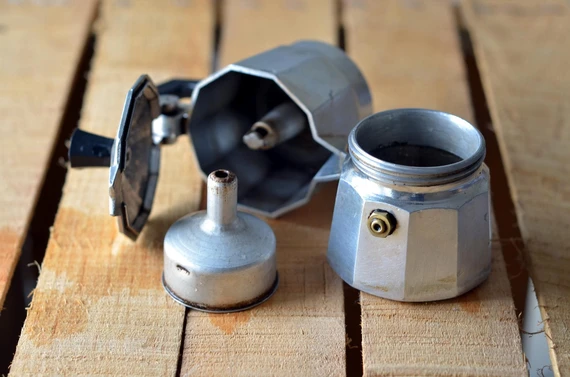
After each use, let the pot cool completely, then disassemble and rinse all parts with warm water. Never use soap—it can leave residue that affects flavor and strips away the natural coffee oil patina that some users believe improves taste over time.
Replace the gasket (rubber seal) annually or when you notice it’s hardened or cracked. A worn gasket can cause leaks and weak coffee.
Check the filter regularly for clogs. If holes become blocked, soak in hot water or use a toothpick to clear them.
Descale periodically if you have hard water. White vinegar and water (1:1 ratio) run through the pot will dissolve mineral buildup.
Coffee Selection for Moka Pot
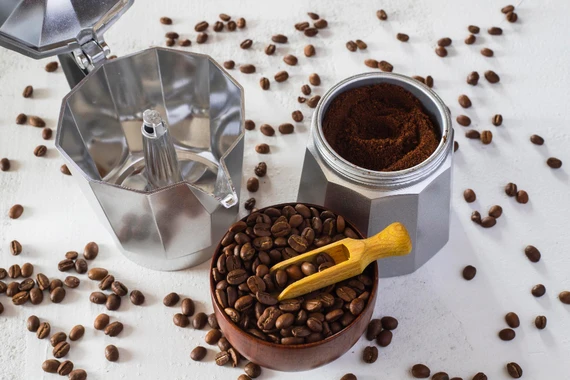
Medium to dark roasts work exceptionally well in Moka pots, producing the rich, bold flavors this method is known for. Italian espresso blends are traditional and ideal choices (robusta blends work well). Light roasts can work but may taste sharp or underdeveloped due to the brewing method’s characteristics.
Look for coffees with chocolate, nutty, or caramel notes—these flavors shine in stovetop espresso. Brazilian, Colombian, or Italian-style blends are excellent starting points.
Serving Suggestions
The concentrated coffee from a Moka pot can be enjoyed straight as a small, intense cup similar to espresso. It’s also perfect as a base for:
- Americano-style: Dilute with hot water to taste
- Lattes and cappuccinos: Add steamed milk
- Iced coffee: Pour over ice with milk and sweetener
- Affogato: Pour over vanilla ice cream for a classic Italian dessert
Related Articles

How to Make Turkish Coffee: Tips and Techniques
The Turkish coffee pot—known as a cezve, ibrik, or simply a Turkish coffee pot—represents one of the world’s oldest coffee…
Read moreDetails
How to Make Perfect Espresso at Home
Mastering Espresso: Expert Tips and Techniques Espresso is truly one of the most complex and fascinating coffee beverages. It’s arguably…
Read moreDetails