 Home
Home Recipes
 Beans
Beans Gear
Gear Roasting
 Brewing
 FAQ
FAQ
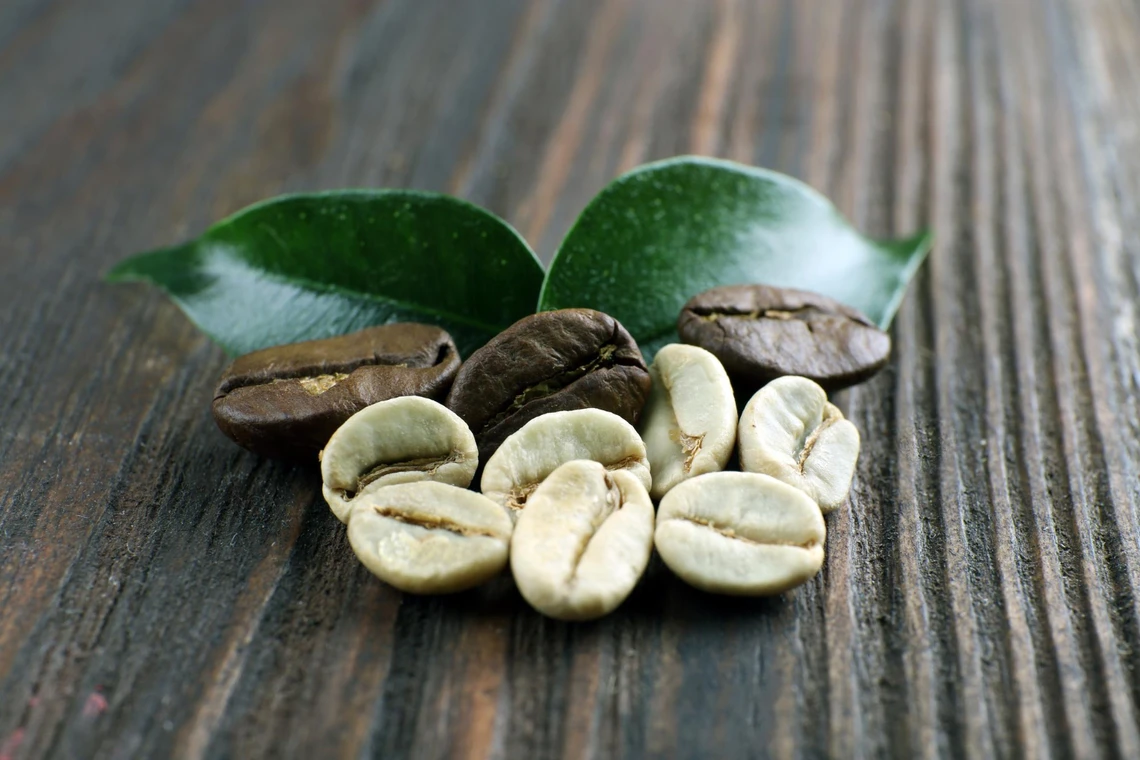
Panama Geisha (also spelled Gesha) represents the pinnacle of specialty coffee—a legendary varietal that has shattered auction records, redefined expectations for coffee flavor, and become synonymous with absolute excellence. Unlike regional designations like Tarrazu or Antigua, Geisha refers to a specific Arabica varietal originally from Ethiopia that found its perfect expression in Panama’s Boquete highlands. Known for explosive jasmine and bergamot aromatics, tropical fruit complexity, and tea-like delicacy, Panama Geisha commands astronomical prices (often $100-1,000+ per pound) and represents what happens when exceptional genetics meet ideal terroir and obsessive cultivation.
The Geisha Story: From Ethiopia to Panama
The Geisha varietal has one of specialty coffee’s most fascinating origin stories, involving multiple continents and decades before achieving fame:
Ethiopian origins:
- 1930s: Geisha/Gesha discovered growing wild near the town of Gesha in southwestern Ethiopia
- Native habitat: Gori Gesha forest in Bench Maji Zone
- Characteristics: Tall plants, low yield, disease resistance, unique flavor
- Initial purpose: Collected for research, not flavor potential
Journey to Central America:
- 1953: Seeds brought to Tanzania’s Lyamungu Research Station
- 1960s: Distributed to various Central American countries as disease-resistant variety
- Costa Rica: Planted at CATIE (Centro Agronómico Tropical) research center
- Panama: Seeds reached Boquete region in 1963
- Initial reception: Ignored due to low yields and difficult cultivation
The discovery that changed everything:
1996-2004: Hacienda La Esmeralda’s breakthrough:
- Price Peterson family planted Geisha at high elevations for windbreaks
- 2004: Submitted to Best of Panama competition
- Result: Unprecedented flavor profile stunned judges
- Won competition with record-breaking scores
- Auction: Sold for $21/pound (unheard of at the time)
2007-Present: The legend grows:
- Subsequent auctions: $130/lb (2010), $350/lb (2013), $803/lb (2018), $1,029/lb (2019)
- Other Panama farms began planting Geisha
- Central American countries rushed to cultivate their Geisha
- Geisha became specialty coffee’s “holy grail”
Why Panama? The Boquete Advantage
While Geisha grows in multiple countries now, Panama—specifically the Boquete region—remains the gold standard for expressing this varietal’s potential:
Boquete region characteristics:
Geographic factors:
- Location: Chiriquí province, western Panama highlands
- Elevation: 4,900-6,500+ feet (1,500-2,000+ meters)
- Volcán Barú: Panama’s highest peak (11,398 feet) creates microclimates
- Topography: Steep slopes, protected valleys
Climate advantages:
- Temperature: Cool, 55-75°F year-round
- Rainfall: 100+ inches annually, evenly distributed
- Mist and cloud cover: Bajareque (constant light rain/mist) unique to region
- Pacific wind patterns: Cool breezes moderate temperatures
- No dry season extremes: Extended cherry maturation
Soil composition:
- Volcanic, mineral-rich
- Excellent drainage
- Deep topsoil from centuries of decomposition
- Ideal pH for coffee cultivation
Why Boquete Geisha excels: The combination of extreme altitude, constant moisture, volcanic soil, and cool temperatures creates extended maturation cycles (up to 10 months from flowering to harvest). This slow development allows Geisha to develop its signature complex aromatics and sugars that make Panama Geisha distinct from Geisha grown elsewhere.
Key farms and estates:
- Hacienda La Esmeralda – The original, still the benchmark
- Finca Hartmann – Consistent competition winner
- Elida Estate – Known for natural processed Geisha
- Finca Deborah – High-elevation lots with extreme complexity
- Carmen Estate – Innovative processing experiments
- Ninety Plus Gesha Estate – Experimental fermentations
Geisha Varietal Characteristics
Understanding Geisha as a plant helps explain why it’s both challenging and rewarding:
Botanical characteristics:
| Feature | Geisha Trait | Comparison to Typical Arabica |
|---|---|---|
| Plant height | Very tall (12-15+ feet) | Shorter (6-10 feet) |
| Branch angle | Wide, horizontal | Upward-angled |
| Leaf shape | Elongated, narrow | Broader |
| Cherry size | Small to medium | Medium to large |
| Bean shape | Long, narrow, pointed | Oval, rounded |
| Yield | Low (30-50% of Caturra) | Higher |
| Disease resistance | Good (original purpose) | Varies |
Why low yields matter: Geisha produces significantly fewer cherries per tree than commercial varieties like Caturra or Catuai. This low productivity is one reason for extreme pricing—farmers need premium prices to justify cultivating Geisha over higher-yielding varieties.
Bean appearance: Geisha beans are distinctly elongated and narrow with pointed ends, making them easily identifiable. This unique shape affects roasting (more surface area relative to mass) and requires careful roast profiling.
Flavor Profile: Why Geisha Is Different
Panama Geisha delivers a flavor experience unlike any other coffee, often compared more to fine tea or perfume than traditional coffee:
Signature tasting notes:
- Jasmine – Dominant, perfume-like floral (defining characteristic)
- Bergamot – Earl Grey tea quality, citrus-floral
- Tropical fruits – Mango, papaya, passion fruit, lychee
- Stone fruits – Peach, apricot, nectarine
- Citrus – Orange blossom, lemon zest, tangerine
- Black tea – Darjeeling-like qualities
- Honey – Raw honey, honeysuckle sweetness
- Brown sugar – Delicate caramel notes
Key characteristics:
- Acidity: High to very high – bright, sparkling, champagne-like
- Body: Light to light-medium – delicate, tea-like
- Sweetness: Intense, complex, layered
- Aromatics: EXPLOSIVE – floral perfume dominates
- Complexity: Extreme – multiple layers evolving as coffee cools
- Finish: Long, clean, lingering floral and fruit
Processing method impact:
Washed Geisha (most common for competitions):
- Maximum clarity and floral expression
- Jasmine and bergamot most pronounced
- Lightest body
- Highest acidity
- Classic Geisha expression
Natural Geisha:
- Explosive tropical fruit (mango, papaya dominant)
- Fuller body
- Berry notes (blueberry, strawberry)
- Still maintains floral undertones
- More accessible to fruit-forward lovers
Honey Geisha:
- Balance between washed and natural
- Enhanced sweetness
- Stone fruit forward
- Medium body
- Complex but approachable
“The first time I tasted Hacienda La Esmeralda Geisha, I literally stopped and asked if someone had added perfume to the cup. The jasmine aromatics were so intense I couldn’t believe it came from coffee alone. Geisha is proof that coffee can be as complex and captivating as fine wine—it’s not just a beverage, it’s an experience that challenges everything you thought coffee could be.”
— Alex Thompson
Why Panama Geisha Costs So Much
Understanding Geisha’s astronomical pricing requires looking beyond just “it tastes good”:
Production costs and challenges:
- Low yields – 50-70% less production than commercial varieties
- Difficult cultivation – Tall plants, susceptible to wind damage
- Hand-picking premium – Requires multiple selective harvests
- Processing intensity – Meticulous care at every step
- Long maturation – Extended growing season increases risk
Auction system:
- Best of Panama competition – Annual showcase for top lots
- Intense bidding – International buyers competing
- Record prices – Create market positioning for all Geisha
- Marketing effect – Auction results drive demand globally
Rarity and exclusivity:
- Limited production – Only certain farms can grow quality Geisha
- Specific terroir – Not all regions can express Geisha properly
- Competition lots – Tiny quantities (sometimes 100 pounds total)
- Collector appeal – Coffee enthusiasts seeking “best of the best”
Price tiers:
| Quality Level | Price Range | What You Get |
|---|---|---|
| Commercial Geisha | $30-60/lb | Decent Geisha from established farms, still expensive |
| Estate Geisha | $60-120/lb | Single-farm, quality processing, good expression |
| Premium lots | $120-300/lb | Competition-level quality, excellent terroir |
| Auction winners | $300-1,000+/lb | Top scoring lots, extreme rarity, collector items |
Reality check: Most specialty coffee drinkers will encounter Geisha in the $40-80/lb range at retail, which represents excellent quality Geisha without auction-level pricing. Even at these “lower” prices, it’s still one of coffee’s most expensive experiences.
Best Brewing Methods: Treating Geisha Right
Given Geisha’s cost and delicate nature, brewing method selection is critical:
Pour-Over (V60, Kalita, Chemex) – THE ONLY CHOICE:
- Why it’s essential: Maximum clarity preserves delicate aromatics
- Grind: Medium-fine (finer than typical pour-over)
- Water temp: 190-198°F (COOLER than typical—Geisha scorches easily)
- Ratio: 1:17 to 1:18 (dilution helps, Geisha is concentrated)
- Technique: Gentle pours, avoid agitation, 2.5-3 minute total time
- Result: Full floral and fruit expression, tea-like clarity
AeroPress (acceptable alternative):
- Recipe: Inverted method, 1.5-2 minute steep
- Water temp: 185-195°F
- Gentle pressure only
- Result: Concentrated but delicate, good for sampling
Cup/Cupping method:
- Professional standard: How Geisha is evaluated
- 4 minute steep, break crust, taste at multiple temperatures
- Result: Shows full evolution of flavors as coffee cools
Methods to ABSOLUTELY AVOID:
French Press:
- Why not: Muddy extraction destroys delicate clarity
- Result: Wasted money, Geisha’s character lost
Espresso:
- Why not: High pressure over-extracts delicate flavors
- Result: Harsh, sour, floral notes destroyed
- Exception: Some experimental roasters do Geisha espresso, but it’s controversial
Dark roasting:
- Why not: Destroys everything that makes Geisha special
- Result: $100/lb coffee tasting like $10/lb dark roast
Cold brew:
- Why not: Long extraction time can create odd flavors
- Result: Loses aromatic intensity
- Exception: Very short “flash cold brew” can work
Critical brewing tips:
- Water quality matters enormously – Use filtered, low-mineral water
- Temperature control is critical – 5 degrees too hot ruins everything
- Don’t over-extract – Shorter brew times preserve florals
- Let it cool – Geisha evolves dramatically; taste at multiple temperatures
- Use clean equipment – Old coffee oils will contaminate delicate flavors
Roast Level: Light or Nothing
Geisha demands the lightest roast levels in specialty coffee:
Light roast (MANDATORY):
- Preserves all aromatic compounds
- Jasmine and bergamot shine
- Maximum complexity
- What every serious roaster uses
- Often looks very blonde/cinnamon colored
Light-medium roast:
- Already too dark – Beginning to lose floral character
- Some sweetness develops but at cost of aromatics
- Only acceptable if light roasts are too intense for your palate
Medium and darker:
- Complete waste – Destroys Geisha’s unique qualities
- Turns premium Geisha into generic coffee
- Literally throwing money away
Roasting challenges:
- Geisha’s elongated beans roast unevenly if not careful
- High surface area means faster roasting needed
- Easy to scorch or bake
- Requires experienced roaster and careful profiling
If you dislike light roasts, don’t buy Geisha. Choose coffees that excel with medium roasting like Guatemala Antigua or Colombian Supremo. Geisha at medium roast is a tragedy.
How to Buy Geisha Without Breaking the Bank
For most coffee lovers, $1,000/lb auction lots aren’t realistic. Here’s how to experience Geisha responsibly:
Entry-level Geisha experiences:
- Sample packs – Many roasters offer 2-4 oz samples ($15-30)
- Café tastings – Order single cup at specialty cafés ($8-15/cup)
- Shared purchases – Split a bag with coffee-loving friends
- Competition viewing – Some events offer public cuppings
Mid-range quality Geisha ($40-80/lb):
- What to look for:
- “Panama Geisha” clearly stated
- Estate name (Hartmann, Carmen, etc.)
- Processing method specified
- Recent roast date (within 2 weeks)
- Light roast only
- Reputable specialty roaster
What to avoid:
- Generic “Geisha” without Panama designation (other countries grow it cheaper)
- “Geisha blend” (diluted with other coffees)
- Prices under $30/lb (likely not genuine Panama Geisha)
- Medium or dark roasts (ruined)
- Old roast dates (Geisha’s florals fade fast)
Alternative Geisha origins (lower cost):
- Colombia Geisha – $25-45/lb, floral but less intense
- Costa Rica Geisha – $30-50/lb, good quality, similar profile
- Ethiopia Gesha – $25-40/lb, returning to origins, distinct character
- Guatemala Geisha – $28-48/lb, developing reputation
These alternatives offer Geisha characteristics at more accessible prices, though purists argue Panama Boquete remains unmatched.
Panama Geisha vs. Other Premium Origins
How does Geisha compare to other elite coffees?
| Characteristic | Panama Geisha | Ethiopian Yirgacheffe | Kenya AA | Costa Rica Tarrazu |
|---|---|---|---|---|
| Acidity | Very high, delicate | High, bright | Very high, bold | High, clean |
| Body | Light, tea-like | Light-medium | Medium-full | Medium to medium-full |
| Primary notes | Jasmine, bergamot, tropical | Floral, bergamot, citrus | Blackcurrant, tomato | Citrus, honey |
| Intensity | Extreme aromatics | High complexity | Bold, assertive | Bright, balanced |
| Price | $40-1,000+/lb | $18-30/lb | $18-38/lb | $18-35/lb |
| Approachability | Polarizing, acquired taste | Accessible brightness | Challenging acidity | Very accessible |
Geisha’s unique position:
- Most aromatic coffee in the world (no competition)
- Most expensive (by far)
- Most delicate (requires careful brewing)
- Most polarizing (people love it or find it “too perfumed”)
Who Should (and Shouldn’t) Buy Geisha
Geisha is ideal for:
- Serious coffee enthusiasts seeking ultimate expression
- Those who love floral, tea-like coffees
- Coffee professionals expanding knowledge
- Special occasion coffee experiences
- Anyone curious about coffee’s potential
Geisha is NOT for:
- People who prefer full-bodied, chocolatey coffee
- Those who dislike light roasts or high acidity
- Anyone seeking daily drinking coffee (cost prohibitive)
- Dark roast lovers (complete mismatch)
- People new to specialty coffee (too extreme as introduction)
Better alternatives if Geisha isn’t your style:
- Want balance and chocolate: Guatemala Antigua
- Want brightness with body: Kenya AA
- Want floral but more accessible: Ethiopian Yirgacheffe
- Want something mellow: Brazilian Santos
The Geisha Legacy and Future
Panama Geisha has fundamentally changed specialty coffee:
Industry impact:
- Proved coffee could command wine-level prices
- Inspired varietal-focused cultivation globally
- Created direct trade relationships based on quality
- Elevated processing and cultivation standards
- Made “farm-specific” coffee mainstream
Current trends:
- More countries cultivating Geisha (Colombia, Guatemala, Ethiopia)
- Experimental processing on Geisha (anaerobic, carbonic maceration)
- Climate change threatening Boquete production
- New high-elevation regions being explored
- Prices continuing to rise at auctions
Challenges ahead:
- Climate change affecting Boquete’s unique microclimate
- Disease pressure on low-yield plants
- Market saturation as more farms plant Geisha
- Maintaining quality as production increases
- Ensuring sustainability at current price points
Panama Geisha represents coffee at its most exceptional—and most divisive. It’s not trying to be approachable or versatile. It’s laser-focused on explosive aromatics and delicate complexity that challenge conventional expectations of what coffee can taste like. For those who appreciate its jasmine-forward, tea-like character, it’s transcendent. For those who prefer traditional coffee flavors, it’s expensive and bewildering. But regardless of personal preference, Panama Geisha has earned its legendary status by delivering something genuinely unique in the coffee world: a flavor profile so distinctive and extreme that it cannot be confused with anything else.
Rare Coffee Varieties

Jamaica Blue Mountain Coffee
Jamaica Blue Mountain stands as one of the world’s most expensive and sought-after coffees, grown exclusively in a protected zone…
Read moreDetails
Hawaiian Kona Coffee
Hawaiian Kona represents America’s only internationally recognized premium coffee, grown exclusively on volcanic slopes of Hawaii’s Big Island where unique…
Read moreDetails
Nicaragua SHB Coffee
Nicaragua SHB (Strictly Hard Bean) represents Central America’s exceptional value proposition in specialty coffee—high-altitude beans delivering balanced, approachable quality at…
Read moreDetails
El Salvador SHG Coffee
El Salvador SHG (Strictly High Grown) represents Central America’s boutique specialty coffee origin—a small country producing limited volumes but exceptional…
Read moreDetails
Honduras SHG Coffee
Honduras SHG (Strictly High Grown) represents Central America’s best-kept secret in specialty coffee—high-altitude beans offering exceptional quality at more accessible…
Read moreDetails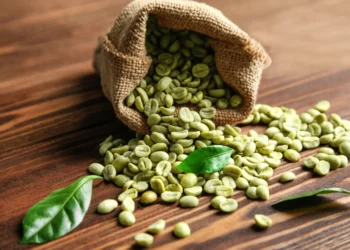
Costa Rica Tarrazu Coffee
Costa Rica Tarrazu represents one of Central America’s brightest and most refined coffees, grown in the Los Santos zone of…
Read moreDetails