 Home
Home Recipes
 Beans
Beans Gear
Gear Roasting
 Brewing
 FAQ
FAQ
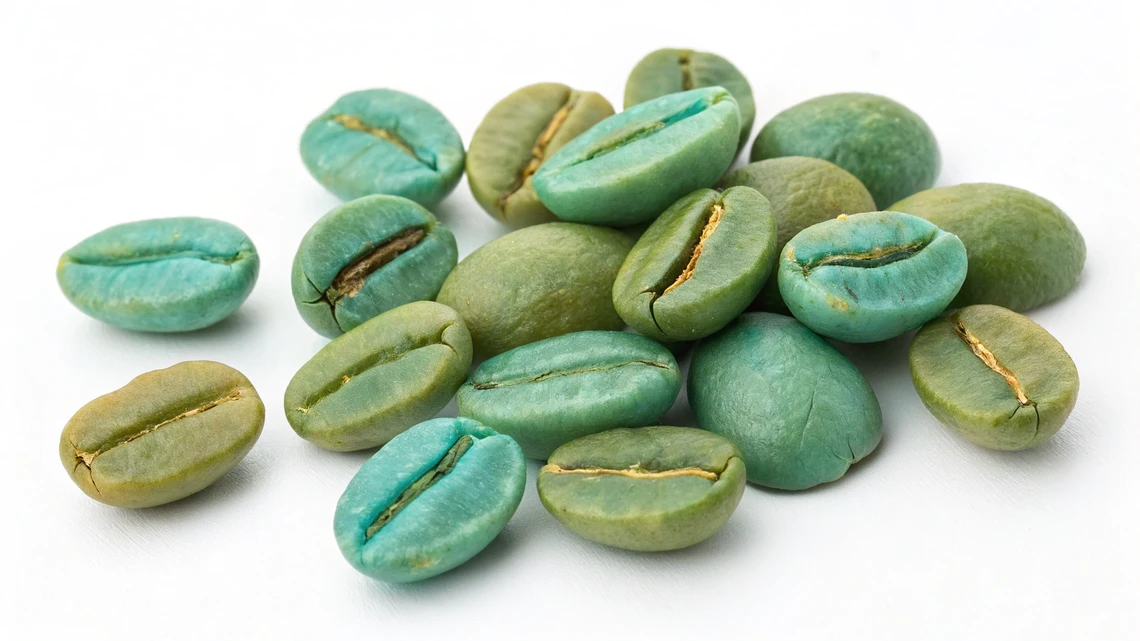
Ethiopian Yirgacheffe stands among the world’s most celebrated coffees, representing a specific growing region in southern Ethiopia where Arabica coffee originated centuries ago. Unlike size-based grades like Colombian Supremo or port designations like Brazilian Santos, Yirgacheffe refers to beans grown in a defined geographic area known for producing exceptionally bright, floral, and complex coffee. For many specialty coffee enthusiasts, Yirgacheffe represents what coffee can be at its absolute best—vibrant, tea-like, and layered with flavors you won’t find anywhere else.
The Yirgacheffe Region
Yirgacheffe (also spelled Yirgachefe) is a small town and surrounding district in Ethiopia’s Southern Nations, Nationalities, and Peoples’ Region (SNNPR), part of the larger Gedeo Zone. This area sits in the Ethiopian highlands at elevations between 5,600 and 7,200 feet, creating ideal conditions for coffee cultivation.
Geographic characteristics:
- Elevation: 1,700-2,200 meters above sea level
- Climate: Cool temperatures, distinct wet and dry seasons
- Soil: Rich, volcanic, well-draining
- Topography: Mountainous terrain with steep slopes
- Cultivation: Primarily smallholder farms (1-2 hectares average)
Key sub-regions and washing stations:
- Kochere – Known for exceptionally clean, floral profiles
- Gedeb – Produces fruit-forward, complex coffees
- Wenago – Tea-like characteristics with citrus notes
- Yirgacheffe town area – Classic bergamot and jasmine flavors
Unlike large plantation systems common in Latin America, Yirgacheffe coffee comes from thousands of small family farms. Farmers bring their cherries to centralized washing stations (wet mills) where beans are processed, creating regional flavor signatures based on processing methods and microclimates.
Processing Methods: Washed vs. Natural
Yirgacheffe’s processing method dramatically impacts the final cup profile. The region produces both washed (wet-processed) and natural (dry-processed) coffees, each offering distinct characteristics:
| Processing Method | Flavor Profile | Body | Acidity | Typical Notes |
|---|---|---|---|---|
| Washed | Clean, bright, tea-like | Light to medium | High, citric | Jasmine, bergamot, lemon, green tea |
| Natural | Fruit-forward, complex | Medium | Medium-high | Blueberry, strawberry, tropical fruit, wine-like |
Washed Yirgacheffe: The traditional method, where coffee cherries are depulped and fermented in water tanks to remove mucilage before drying. This process creates the classic Yirgacheffe profile: extraordinarily clean, floral, and bright with pronounced citrus notes. Think Earl Grey tea with hints of bergamot and jasmine flowers.
Natural Yirgacheffe: Cherries dry intact on raised beds for 2-3 weeks, allowing fruit sugars to penetrate the bean. The result is explosive fruit flavors—blueberry, strawberry, sometimes even tropical notes like mango or pineapple. Natural Yirgacheffes often have a wine-like quality that can be polarizing but captivates those who love fruity coffees.
Flavor Profile and Characteristics
Yirgacheffe offers a radically different experience compared to Colombian Supremo or Brazilian Santos. The flavor intensity and complexity can surprise first-time tasters:
Washed Yirgacheffe tasting notes:
- Floral aromatics (jasmine, lavender, orange blossom)
- Bright citrus (lemon, bergamot, lime zest)
- Tea-like qualities (Earl Grey, green tea)
- Stone fruits (peach, apricot)
- Clean, delicate finish
Natural Yirgacheffe tasting notes:
- Berry explosion (blueberry, strawberry, blackberry)
- Tropical fruits (mango, papaya, passion fruit)
- Red wine or port-like complexity
- Chocolate undertones (dark chocolate, cacao)
- Lingering, fruity finish
Key characteristics:
- Acidity: High and vibrant—sparkly, not sharp
- Body: Light to medium, silky and delicate
- Sweetness: Pronounced, honey-like or fruit-forward
- Complexity: Multiple layers of flavor that evolve as coffee cools
“The first time I tasted a properly brewed Yirgacheffe, it completely changed my understanding of what coffee could be. It wasn’t just ‘coffee-flavored’—it had jasmine, blueberry, and this incredible brightness that made every other coffee taste dull by comparison. If you want to understand why people obsess over specialty coffee, start with a light-roasted Yirgacheffe.”
— Alex Thompson
Best Brewing Methods for Yirgacheffe
Yirgacheffe’s delicate complexity demands brewing methods that preserve its nuanced flavors. Heavy-handed techniques can muddy its bright character:
Pour-Over (V60, Chemex, Kalita) – HIGHLY RECOMMENDED:
- Why it works: Highlights clarity, floral notes, and brightness
- Grind: Medium-fine (slightly finer than table salt)
- Water temp: 195-200°F (avoid boiling water that can scorch delicate flavors)
- Ratio: 1:16 to 1:17 (e.g., 15g coffee to 250g water)
- Technique: Gentle, controlled pours to avoid over-extraction
- Result: Clean, vibrant cup showcasing all flavor nuances
AeroPress:
- Why it works: Clean extraction, quick brew time preserves brightness
- Recipe: Inverted method, 2-minute steep, gentle pressure
- Water temp: 185-195°F
- Result: Concentrated, smooth cup with balanced acidity
Cold Brew (24-hour method):
- Why it works: Brings out fruity sweetness, reduces acidity
- Grind: Medium-coarse
- Ratio: 1:10 for ready-to-drink
- Steep time: 18-24 hours in refrigerator
- Result: Incredibly sweet, berry-forward, smooth
Drip Coffee Maker:
- Acceptable but not ideal – Can work with quality machines
- Key: Ensure water reaches 195-205°F
- Result: Good everyday cup, though lacks clarity of pour-over
Methods to AVOID:
- French Press: Too much body, can muddy delicate flavors
- Espresso: High pressure can over-extract and create harsh, sour shots
- Dark roasts: Destroys the origin character entirely
Roast Level Recommendations
Yirgacheffe is one of the few coffees where roast level makes or breaks the experience:
Light roast (STRONGLY RECOMMENDED):
- Preserves all origin characteristics
- Highlights floral and fruity notes
- Maximum complexity and brightness
- What specialty roasters typically offer
Light-medium roast:
- Slightly more body, balanced acidity
- Fruit notes still prominent
- Good compromise for those new to light roasts
Medium roast and darker:
- NOT RECOMMENDED – Destroys what makes Yirgacheffe special
- Loses floral character and fruit complexity
- Becomes generic “coffee-flavored coffee”
- Defeats the purpose of buying premium Ethiopian beans
How to Select Quality Yirgacheffe
Yirgacheffe commands premium prices ($16-30+ per pound), so choosing wisely matters:
Quality indicators:
- Grade 1 or Grade 2 – Ethiopian grading based on defect count (G1 is highest)
- Washing station name – Look for specific stations (Kochere, Gedeb, Aricha, Biloya)
- Processing method clearly stated – Washed or Natural
- Recent crop year – Ethiopian harvests typically October-January
- Roast date within 2-3 weeks – Freshness critical for delicate flavors
- Light roast only – Anything darker is a red flag
Red flags:
- Medium-dark or dark roast Yirgacheffe (why pay premium for destroyed origin character?)
- No processing method listed
- Extremely low prices (under $14/lb likely means low-grade or old crop)
- “Yirgacheffe-style” or “Ethiopian blend” (not actual Yirgacheffe)
Certifications and sourcing:
- Organic certification (common in Ethiopia)
- Direct trade relationships
- Single-farm or single-washing station lots
- Traceable supply chains
Why Yirgacheffe Remains Iconic
Despite competition from trendy processing methods and rare microlots, Yirgacheffe maintains legendary status:
Historical significance:
- Ethiopia is coffee’s birthplace—Yirgacheffe represents its finest expression
- Centuries of cultivation expertise
- Genetic diversity (wild Arabica varieties still grow here)
Unmatched flavor profile:
- No other origin produces this exact combination of floral and fruity notes
- Complexity that rivals fine wines
- Immediately recognizable to trained palates
Specialty coffee gateway:
- Often the coffee that converts people to specialty coffee
- Demonstrates coffee’s flavor potential beyond “coffee taste”
- Perfect example for education and tastings
Versatility in preferences:
- Washed for purists who love clean, bright coffee
- Natural for fruit lovers seeking explosive flavors
- Both styles appeal to different palates while maintaining Yirgacheffe character
Yirgacheffe isn’t for everyone—its high acidity and light body can surprise those accustomed to darker, heavier coffees. But for those seeking what makes specialty coffee special, few origins deliver more clearly. This is coffee as it was meant to be: vibrant, complex, and unforgettable.
While Yirgacheffe remains Ethiopia’s most famous region, neighboring Ethiopian Sidamo offers similar complexity with its own distinct character
Rare Coffee Varieties

Jamaica Blue Mountain Coffee
Jamaica Blue Mountain stands as one of the world’s most expensive and sought-after coffees, grown exclusively in a protected zone…
Read moreDetails
Hawaiian Kona Coffee
Hawaiian Kona represents America’s only internationally recognized premium coffee, grown exclusively on volcanic slopes of Hawaii’s Big Island where unique…
Read moreDetails
Nicaragua SHB Coffee
Nicaragua SHB (Strictly Hard Bean) represents Central America’s exceptional value proposition in specialty coffee—high-altitude beans delivering balanced, approachable quality at…
Read moreDetails
El Salvador SHG Coffee
El Salvador SHG (Strictly High Grown) represents Central America’s boutique specialty coffee origin—a small country producing limited volumes but exceptional…
Read moreDetails
Honduras SHG Coffee
Honduras SHG (Strictly High Grown) represents Central America’s best-kept secret in specialty coffee—high-altitude beans offering exceptional quality at more accessible…
Read moreDetails
Panama Geisha Coffee
Panama Geisha (also spelled Gesha) represents the pinnacle of specialty coffee—a legendary varietal that has shattered auction records, redefined expectations…
Read moreDetails


