 Home
Home Recipes
 Beans
Beans Gear
Gear Roasting
 Brewing
 FAQ
FAQ
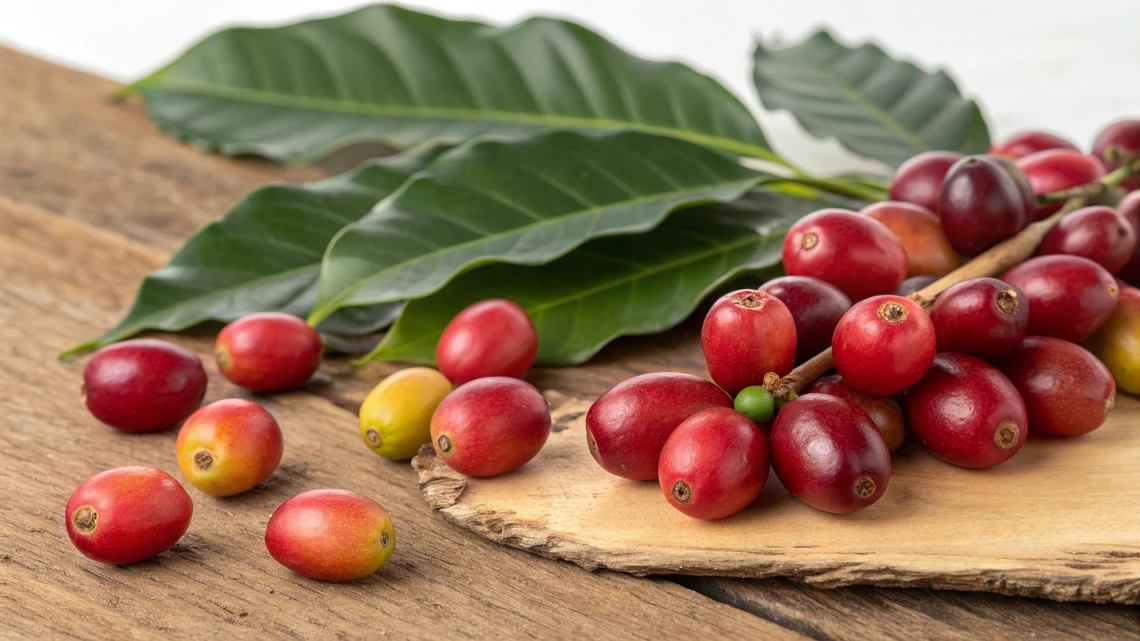
Ethiopian Guji represents one of specialty coffee’s fastest-rising stars, emerging from what was once considered part of the broader Sidamo region. Since gaining recognition as a distinct coffee zone in the early 2000s, Guji has developed a reputation for producing some of Ethiopia’s most explosive, fruit-forward coffees. While Ethiopian Yirgacheffe remains the famous name and Ethiopian Sidamo offers reliable complexity, Guji delivers something bolder: intense berry flavors, wild fermentation notes, and a complexity that rivals or exceeds its more established neighbors.
The Guji Zone: Ethiopia’s New Frontier
Guji Zone sits in the Oromia Region of southern Ethiopia, bordering Kenya to the south. Until administrative restructuring in the early 2000s, these coffees were simply labeled “Sidamo.” As the specialty coffee industry began recognizing Guji’s distinct terroir and exceptional cup quality, it earned separate designation and growing acclaim.
Geographic characteristics:
- Elevation: 5,900-7,500+ feet (1,800-2,300+ meters)
- Location: Southern Ethiopia, near Kenyan border
- Climate: High altitude, cool nights, warm days, ideal diurnal temperature variation
- Soil: Deep, fertile, volcanic—among Ethiopia’s richest coffee-growing soils
- Topography: Dramatic elevation changes, steep slopes, pristine forests
Key sub-regions and washing stations:
- Shakiso (Shakisso) – Known for wild, funky naturals with berry explosion
- Uraga – Produces clean, complex coffees with fruit and floral balance
- Hambela – Higher elevations, intense fruit, wine-like characteristics
- Kercha – Balanced profiles with chocolate and stone fruit
The high elevations and dramatic topography create extended maturation periods for coffee cherries, developing sugars and complexity that translate to exceptional cup quality. Many Guji farms sit at elevations exceeding 2,100 meters—higher than most Yirgacheffe plots.
What Makes Guji Different
Guji occupies an interesting position between Ethiopia’s famous regions, offering characteristics that distinguish it from both neighbors:
| Characteristic | Guji | Yirgacheffe | Sidamo |
|---|---|---|---|
| Flavor intensity | Very high, bold | Very high, delicate | Moderate to high |
| Primary character | Fruit bomb, berry-forward | Floral, tea-like | Balanced, sweet |
| Body | Medium to full | Light to medium | Medium to medium-full |
| Wildness factor | Can be funky, complex | Clean, refined | Approachable, familiar |
| Fermentation notes | Often present (naturals) | Rare | Moderate |
| Chocolate notes | Common undertone | Rare | Common |
| Price range | $18-35+/lb | $18-30+/lb | $14-22/lb |
Guji’s signature: The region has become synonymous with explosive natural processed coffees that taste like berry compote, tropical fruit salad, or dessert wine. While washed Guji coffees exist and are excellent, the region’s naturals have captured specialty coffee’s imagination.
Processing Methods: Natural Dominance
While Guji produces both processing styles, natural (dry-processed) coffees have become the region’s calling card:
Natural Guji (most common and sought-after): Whole cherries dry on raised beds for 2-4 weeks, creating intensely fruity profiles:
- Blueberry bomb – The most common descriptor, often overwhelming
- Mixed berries – Strawberry, blackberry, raspberry
- Tropical fruits – Mango, papaya, passion fruit, pineapple
- Wine-like complexity – Port, red wine, boozy notes
- Dark chocolate – Balances extreme fruitiness
- Fermentation funk – Some lots have yogurt, cream, or funky notes
- Full body – Syrupy, coating mouthfeel
Washed Guji (less common but exceptional): Clean processing creates bright, complex coffees:
- Citrus and stone fruit (peach, apricot, nectarine)
- Floral notes (jasmine, orange blossom)
- Black tea qualities
- Chocolate and caramel
- Medium body with silky texture
- Clean, lingering finish
Experimental processing (emerging): Progressive Guji producers experiment with:
- Anaerobic fermentation
- Extended fermentation naturals
- Honey/pulped natural processing
- Carbonic maceration
These experimental lots can fetch premium prices ($40-60+/lb) and showcase even wilder flavor profiles.
“Guji changed my perception of how fruity coffee can actually taste. The first time I cupped a Shakiso natural, I thought someone had added fruit syrup to the sample. When I realized that blueberry explosion came purely from the coffee itself, it blew my mind. This is why coffee geeks obsess over Ethiopian naturals.”
— Alex Thompson
Flavor Profile and Characteristics
Guji delivers some of specialty coffee’s most memorable taste experiences, particularly in natural processed lots:
Natural Guji tasting notes:
- Blueberry (dominant, almost overwhelming)
- Strawberry jam or compote
- Tropical fruit medley
- Dark chocolate or cocoa nibs
- Red wine or port-like complexity
- Cream or yogurt (fermentation notes)
- Brown sugar or honey sweetness
Washed Guji tasting notes:
- Citrus (lemon, orange, bergamot)
- Stone fruits (peach, apricot)
- Floral aromatics (lighter than Yirgacheffe)
- Black tea
- Milk chocolate
- Caramel
Key characteristics:
- Acidity: Medium-high to high – vibrant, fruit-driven
- Body: Medium-full (naturals), Medium (washed)
- Sweetness: Intense, fruit-forward or honey-like
- Complexity: Multi-layered, evolving cup
- Intensity: Bold, memorable, sometimes polarizing
The intensity can surprise newcomers. Guji naturals don’t whisper—they shout with fruit flavor. This boldness makes Guji either a coffee you’ll love obsessively or find too intense.
Best Brewing Methods for Guji
Guji’s bold flavors work across brewing methods, though some showcase its character better:
Pour-Over (V60, Chemex, Kalita) – RECOMMENDED:
- Why it works: Clean extraction preserves fruit clarity
- Grind: Medium to medium-fine
- Water temp: 195-200°F (avoid too hot—can over-extract)
- Ratio: 1:16 to 1:17 (dilution helps with intensity)
- Result: Vibrant, fruit-forward cup with all complexity on display
AeroPress:
- Recipe: Inverted method, 2-2.5 minute steep
- Water temp: 185-195°F
- Gentle pressure to avoid over-extraction
- Result: Concentrated, smooth, berry-rich cup
Cold Brew:
- Perfect for natural Guji: Brings out fruit sweetness
- Steep time: 20-24 hours
- Ratio: 1:10 for ready-to-drink
- Result: Incredibly sweet, berry-forward, dessert-like
French Press:
- Works but requires care: Can over-extract easily
- Grind: Medium-coarse
- Steep time: 3.5-4 minutes (not longer)
- Result: Full-bodied, chocolate-berry profile
Espresso (advanced users only):
- Challenging but rewarding: Requires precise dialing
- Grind: Fine, consistent
- Ratio: 1:2.5 to 1:3 (longer ratios reduce intensity)
- Time: 25-30 seconds
- Result: Intense berry shots, chocolate finish
Methods to approach carefully:
- Immersion methods – Easy to over-extract and create muddy cups
- Turkish/Ibrik – Intense flavors can become overwhelming
- Moka pot – High extraction can pull excessive bitterness
Roast Level Recommendations
Guji’s bold fruit character demands careful roasting:
Light roast (HIGHLY RECOMMENDED for naturals):
- Preserves explosive fruit flavors
- Maximum origin expression
- What specialty roasters typically offer
- Can handle light roasting better than delicate Yirgacheffe
Light-medium roast (good for washed Guji):
- Develops chocolate notes while maintaining fruit
- Balances acidity and sweetness
- More approachable for broader audiences
Medium roast:
- Acceptable but not ideal – Begins losing origin character
- Better suited for washed Guji than naturals
- Creates chocolate-forward profile with subdued fruit
Medium-dark and dark roasts:
- Avoid entirely – Complete waste of premium beans
- Destroys the fruit complexity you paid for
- Better origins exist for dark roasting preferences
How to Select Quality Guji Coffee
Guji commands premium prices due to limited availability and high demand:
Quality indicators:
- Grade 1 (G1) – Ethiopian top grade, minimal defects
- Sub-region specified – Shakiso, Uraga, Hambela indicates careful sourcing
- Washing station/farm name – Traceability shows quality focus
- Processing method clearly stated – Natural, Washed, Experimental
- Recent crop year – Guji harvest: October-December
- Roast date within 2-3 weeks – Natural Guji holds freshness well
- Light roast – Anything darker is questionable
Price expectations:
- Standard G1 natural: $18-26/lb
- Premium single-lot natural: $28-38/lb
- Washed Guji: $20-30/lb
- Experimental/competition lots: $40-70+/lb
What to avoid:
- Guji under $16/lb (likely old crop or mislabeled)
- Medium-dark or dark roasted (why destroy premium fruit?)
- No sub-region listed (generic sourcing)
- “Guji-style” or blended coffees
Common Brewing Mistakes
Guji’s intensity requires careful brewing:
Over-extraction:
- Problem: Bitter, muddled flavors overpowering fruit
- Solution: Shorter brew times, coarser grind, cooler water (195°F)
Water too hot:
- Problem: Harsh, astringent cups
- Solution: 195-200°F maximum, especially for naturals
Wrong expectations:
- Problem: Expecting subtle, refined flavors
- Solution: Embrace Guji’s boldness—it’s a feature, not a bug
Grinding too fine:
- Problem: Over-extracted, bitter coffee
- Solution: Medium grind for most methods, adjust by taste
Why Guji Is Rising Fast
Guji has gone from obscurity to specialty coffee stardom in under two decades:
Exceptional terroir:
- Higher elevations than most Ethiopian regions
- Pristine growing conditions
- Rich volcanic soils creating complex flavors
Distinct identity:
- No longer “just Sidamo”
- Recognized for unique fruit-forward character
- Building reputation among roasters and consumers
Natural processing excellence:
- Perfect climate for drying naturals
- Producers have mastered extended fermentation
- Creates flavors that captivate specialty coffee fans
Growing availability:
- More exporters focusing on Guji specifically
- Increased investment in infrastructure
- Better traceability and quality control
For coffee enthusiasts seeking the wildest, most fruit-forward Ethiopian experience, Guji delivers. It’s not for everyone—the intensity can overwhelm those preferring balanced, subtle coffees. But for those who love when coffee tastes like a fruit basket exploded in their cup, Guji is nothing short of magical. This is Arabica coffee at its most expressive, showing just how far flavor can travel from “coffee-flavored” into uncharted fruit territory.
Rare Coffee Varieties

Jamaica Blue Mountain Coffee
Jamaica Blue Mountain stands as one of the world’s most expensive and sought-after coffees, grown exclusively in a protected zone…
Read moreDetails
Hawaiian Kona Coffee
Hawaiian Kona represents America’s only internationally recognized premium coffee, grown exclusively on volcanic slopes of Hawaii’s Big Island where unique…
Read moreDetails
Nicaragua SHB Coffee
Nicaragua SHB (Strictly Hard Bean) represents Central America’s exceptional value proposition in specialty coffee—high-altitude beans delivering balanced, approachable quality at…
Read moreDetails
El Salvador SHG Coffee
El Salvador SHG (Strictly High Grown) represents Central America’s boutique specialty coffee origin—a small country producing limited volumes but exceptional…
Read moreDetails
Honduras SHG Coffee
Honduras SHG (Strictly High Grown) represents Central America’s best-kept secret in specialty coffee—high-altitude beans offering exceptional quality at more accessible…
Read moreDetails
Panama Geisha Coffee
Panama Geisha (also spelled Gesha) represents the pinnacle of specialty coffee—a legendary varietal that has shattered auction records, redefined expectations…
Read moreDetails