 Home
Home Recipes
 Beans
Beans Gear
Gear Roasting
 Brewing
 FAQ
FAQ
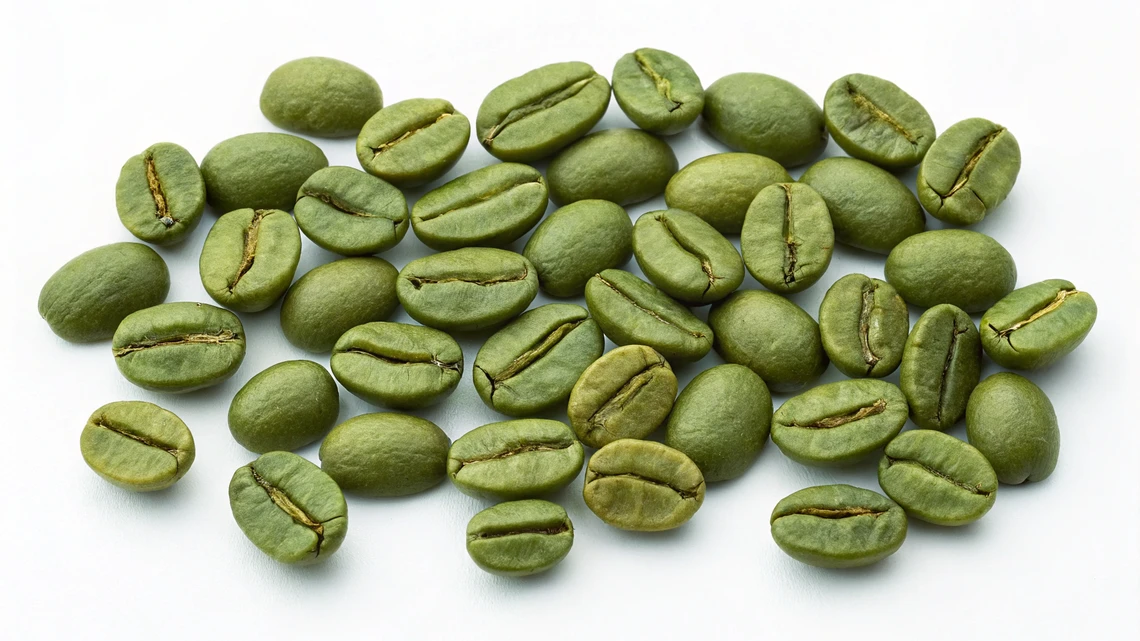
Kenya AA represents the pinnacle of Kenyan coffee grading, designating the largest and most visually impressive beans from one of Africa’s most celebrated coffee origins. Unlike regional names that indicate where beans are grown, “AA” is purely a size classification—but in Kenya’s case, it has become synonymous with exceptional quality. Kenyan coffee delivers some of the brightest, most complex, and most intensely flavored cups in the specialty coffee world, and AA grade beans showcase these characteristics at their finest.
Understanding Kenya’s Grading System
Kenya uses a sophisticated grading system based primarily on bean size, with additional classifications for quality and defects. The system focuses on physical characteristics rather than cup quality alone, though larger beans generally command higher prices.
Kenya’s main coffee grades:
| Grade | Screen Size | Bean Size | Market Position |
|---|---|---|---|
| AA | 17-18 (6.8-7.2mm) | Largest | Premium, most expensive |
| AB | 15-16 (6.0-6.8mm) | Large to medium | High quality, most common |
| PB (Peaberry) | N/A (round beans) | Special | Unique, premium pricing |
| C | 14-15 (5.6-6.0mm) | Smaller | Good quality, lower price |
| E (Elephant) | 18+ (7.2mm+) | Extra large | Rare, novelty |
| TT, T, MH/ML | Various | Light/broken | Lower commercial grades |
AA grade specifications:
- Screen size 17-18 (beans pass through 17/64″ holes but not 18/64″)
- Represents roughly 30-40% of Kenya’s total crop
- Must meet defect standards (minimal broken beans, stones, sticks)
- Premium pricing due to size consistency and visual appeal
Important clarification: AA doesn’t automatically mean better flavor than AB. Both grades can produce exceptional coffee. AA’s larger size creates more even roasting and visual appeal, but cup quality depends more on farm, processing, and terroir than bean size alone.
Where Kenyan Coffee Grows
Kenya’s coffee regions benefit from ideal high-altitude conditions, volcanic soil, and distinct wet/dry seasons that create extended cherry maturation:
Prime growing regions:
- Nyeri – Central highlands, produces complex, fruity coffees
- Kirinyaga – Mount Kenya foothills, bright acidity, blackcurrant notes
- Kiambu – Near Nairobi, balanced profiles with good body
- Murang’a – Central region, wine-like complexity
- Embu – Eastern slopes of Mount Kenya, fruity and floral
- Machakos – Eastern region, full-bodied with chocolate notes
Growing conditions:
- Elevation: 4,500-7,000 feet (1,400-2,100 meters)
- Soil: Rich volcanic, well-draining
- Climate: Two rainy seasons creating two annual harvests
- Cultivation: Primarily smallholder farms and cooperatives
- Varietals: SL28 and SL34 (developed in Kenya for local conditions)
Kenya’s unique varietals—SL28 and SL34—were specifically selected in the 1930s by Scott Laboratories for their resilience and exceptional cup quality. These Arabica cultivars produce the distinctive blackcurrant and tomato-like acidity that defines Kenyan coffee.
The Kenyan Washing Process: Double Fermentation
Kenya’s processing method is as important as its terroir in creating that signature bright, clean profile. Most Kenyan coffee undergoes a meticulous washed process with double fermentation:
Kenya’s washing process:
- Pulping – Cherries depulped within hours of picking
- First fermentation – 12-24 hours in tanks to break down mucilage
- Washing – Beans washed in clean water channels
- Second fermentation – Additional 12-24 hours (unique to Kenya)
- Final washing – Thorough rinsing in clean water
- Soaking – Extended water soaking for cleanliness
- Drying – 7-15 days on raised beds
This intensive double fermentation creates:
- Exceptional clarity and cleanliness
- Enhanced brightness and acidity
- Complex fruity flavors
- Distinct “Kenyan character” in the cup
Natural and honey processed Kenyan coffee: While less common, some producers experiment with natural and honey processing, creating:
- Wild berry flavors
- Fuller body
- Tropical fruit notes
- Still maintaining underlying Kenyan brightness
Flavor Profile: Kenya’s Signature Brightness
Kenyan coffee, particularly AA grade, delivers one of specialty coffee’s most recognizable and polarizing flavor profiles:
Classic Kenya AA tasting notes:
- Blackcurrant – The signature note, sometimes described as Ribena-like
- Tomato – Unique savory-sweet acidity (not vegetable-like)
- Grapefruit and citrus – Pink grapefruit, lemon zest, lime
- Red berries – Raspberry, red currant, cranberry
- Black tea – Astringent, tannic quality
- Brown sugar – Sweetness balancing acidity
- Wine-like complexity – Red wine, port characteristics
Key characteristics:
- Acidity: Very high – bright, intense, sometimes called “juicy”
- Body: Medium to full – more substantial than Ethiopian coffees
- Sweetness: Brown sugar, molasses, balances acidity
- Complexity: Multi-layered, evolving as coffee cools
- Finish: Long, clean, often with lingering berry notes
“Kenya AA taught me that acidity isn’t something to fear in coffee—it’s something to celebrate when it’s done right. That bright, almost wine-like quality isn’t harsh or sour; it’s vibrant, complex, and incredibly refreshing. The first time you taste proper blackcurrant notes in coffee, you’ll understand why Kenya has such a devoted following.”
— Alex Thompson
The “tomato” note explained: Many coffee professionals describe a “tomato-like” quality in Kenyan coffee. This doesn’t mean it tastes like vegetables—rather, it’s a particular type of sweet-savory acidity similar to perfectly ripe tomatoes or tomato sweetness. Combined with blackcurrant, it creates Kenya’s unmistakable signature.
Comparing Kenya AA to Other Origins
Kenya occupies a unique position in the coffee world, offering characteristics distinct from both neighbors and other premium origins:
| Characteristic | Kenya AA | Ethiopian Yirgacheffe | Colombian Supremo | Brazilian Santos |
|---|---|---|---|---|
| Acidity | Very high, juicy | High, bright | Medium-high | Low-medium |
| Primary notes | Blackcurrant, tomato | Floral, bergamot | Citrus, caramel | Chocolate, nuts |
| Body | Medium-full | Light-medium | Medium | Medium-full |
| Complexity | Very high | Very high | High | Moderate |
| Intensity | Bold, assertive | Delicate, refined | Balanced | Smooth, mellow |
| Processing | Double-fermented washed | Washed or natural | Washed | Natural or washed |
Kenya stands out for having both high acidity AND substantial body—a rare combination that makes it simultaneously bright and satisfying.
Best Brewing Methods for Kenya AA
Kenya’s bold acidity and complex flavors work best with brewing methods that provide clarity while preserving body:
Pour-Over (V60, Kalita, Chemex) – HIGHLY RECOMMENDED:
- Why it works: Clean extraction showcases brightness and complexity
- Grind: Medium (slightly coarser than table salt)
- Water temp: 200-205°F (Kenya handles higher temps well)
- Ratio: 1:16 to 1:17
- Technique: Controlled pours, 2.5-3.5 minute total brew
- Result: Vibrant, juicy cup with all flavor nuances displayed
French Press:
- Why it works: Fuller body balances intense acidity
- Grind: Medium-coarse
- Steep time: 4 minutes
- Ratio: 1:15 for bold cup
- Result: Rich, wine-like coffee with berry sweetness
AeroPress:
- Recipe: Standard or inverted, 2-minute steep
- Water temp: 195-205°F
- Moderate pressure
- Result: Clean, concentrated, bright cup
Cold Brew:
- Surprising excellence: Reduces acidity while preserving fruit
- Steep time: 20-24 hours
- Ratio: 1:8 concentrate
- Result: Sweet, berry-forward, remarkably smooth
Espresso (for experienced users):
- Challenging but rewarding: High acidity can create sour shots if under-extracted
- Grind: Fine, consistent
- Ratio: 1:2.5 to 1:3 (longer ratios tame acidity)
- Time: 27-32 seconds
- Result: Intense berry espresso with wine-like complexity
Methods to avoid:
- Drip machines with low temps – Won’t extract Kenya’s complexity
- Over-extracted immersion – Can create harsh, astringent cups
Roast Level Recommendations
Kenya’s intense acidity and complex flavors require thoughtful roasting:
Light roast (RECOMMENDED):
- Preserves signature blackcurrant and tomato notes
- Maximum brightness and complexity
- What most specialty roasters offer
- Can be too intense for some palates
Light-medium roast (POPULAR CHOICE):
- Ideal balance for many coffee lovers
- Develops sweetness while maintaining brightness
- Rounds out acidity slightly
- Still preserves Kenyan character
Medium roast:
- Acceptable – Creates chocolate-berry profile
- Reduces sharp acidity
- More approachable for those new to bright coffees
- Loses some origin distinctiveness
Medium-dark and dark:
- Not recommended – Destroys what makes Kenya special
- Turns premium AA into generic dark coffee
- Better origins exist for dark roasting (Brazilian Santos)
How to Select Quality Kenya AA
Kenya AA commands premium pricing due to quality reputation and production costs:
Quality indicators:
- Specific region or cooperative – Nyeri, Kirinyaga, named washing stations
- Grade clearly stated – “Kenya AA” on label
- Processing details – “Fully washed” or “Double fermented”
- Crop year/harvest – Kenya has two harvests (main: October-December, fly: May-July)
- Roast date within 2-3 weeks – Kenya holds freshness reasonably well
- Light to light-medium roast – Anything darker is questionable
Price expectations:
- Standard Kenya AA: $18-26/lb
- Premium single-estate AA: $28-38/lb
- Competition/auction lots: $40-80+/lb
- AB grade (alternative): $16-24/lb (often equal cup quality, smaller size)
What to avoid:
- Kenya AA under $16/lb (likely old crop or mislabeled)
- Medium-dark or dark roasted AA (waste of premium beans)
- Generic “Kenyan coffee” without AA designation
- No processing information
Consider Kenya AB: Many roasters and coffee professionals argue that AB grade (smaller beans) often cups just as well as AA at lower prices. If you’re brewing at home where visual appeal doesn’t matter, AB can offer excellent value.
Common Brewing Mistakes
Kenya’s unique profile requires adjustments from typical brewing parameters:
Under-extraction:
- Problem: Sour, harsh acidity without sweetness
- Solution: Grind finer, use hotter water (200-205°F), extend brew time slightly
Fear of acidity:
- Problem: Over-extracting to “tame” brightness
- Solution: Embrace Kenya’s acidity—it’s the point. Brew properly and let natural sweetness balance
Wrong water chemistry:
- Problem: Hard water can make Kenya harsh and astringent
- Solution: Use filtered water with balanced minerals (40-70 ppm)
Expecting mellow flavors:
- Problem: Disappointment if seeking smooth, chocolatey coffee
- Solution: Kenya is assertive—if you want mild, choose Colombian Supremo or other origins
Why Kenya AA Remains Elite
Despite competition from other African origins like Ethiopian Guji, Kenya maintains its premium status:
Unmatched flavor intensity:
- No other origin produces that exact blackcurrant-tomato combination
- Complexity rivals the finest Ethiopian coffees
- Brightness exceeds most other origins
Consistency and infrastructure:
- Established auction system ensures quality standards
- Cooperative structure maintains processing excellence
- Year-round availability from dual harvest
Specialty coffee cornerstone:
- Essential part of any serious coffee education
- Used to demonstrate what “brightness” means
- Benchmark for African coffee excellence
Kenya AA isn’t for everyone—its assertive acidity can overwhelm those preferring balanced or mellow coffees. But for those who appreciate brightness, complexity, and bold fruit flavors, Kenya AA represents coffee at its most exciting and unapologetically vibrant. This is coffee that doesn’t whisper—it announces itself with confidence and delivers an unforgettable experience.
Rare Coffee Varieties

Jamaica Blue Mountain Coffee
Jamaica Blue Mountain stands as one of the world’s most expensive and sought-after coffees, grown exclusively in a protected zone…
Read moreDetails
Hawaiian Kona Coffee
Hawaiian Kona represents America’s only internationally recognized premium coffee, grown exclusively on volcanic slopes of Hawaii’s Big Island where unique…
Read moreDetails
Nicaragua SHB Coffee
Nicaragua SHB (Strictly Hard Bean) represents Central America’s exceptional value proposition in specialty coffee—high-altitude beans delivering balanced, approachable quality at…
Read moreDetails
El Salvador SHG Coffee
El Salvador SHG (Strictly High Grown) represents Central America’s boutique specialty coffee origin—a small country producing limited volumes but exceptional…
Read moreDetails
Honduras SHG Coffee
Honduras SHG (Strictly High Grown) represents Central America’s best-kept secret in specialty coffee—high-altitude beans offering exceptional quality at more accessible…
Read moreDetails
Panama Geisha Coffee
Panama Geisha (also spelled Gesha) represents the pinnacle of specialty coffee—a legendary varietal that has shattered auction records, redefined expectations…
Read moreDetails