 Home
Home Recipes
 Beans
Beans Gear
Gear Roasting
 Brewing
 FAQ
FAQ
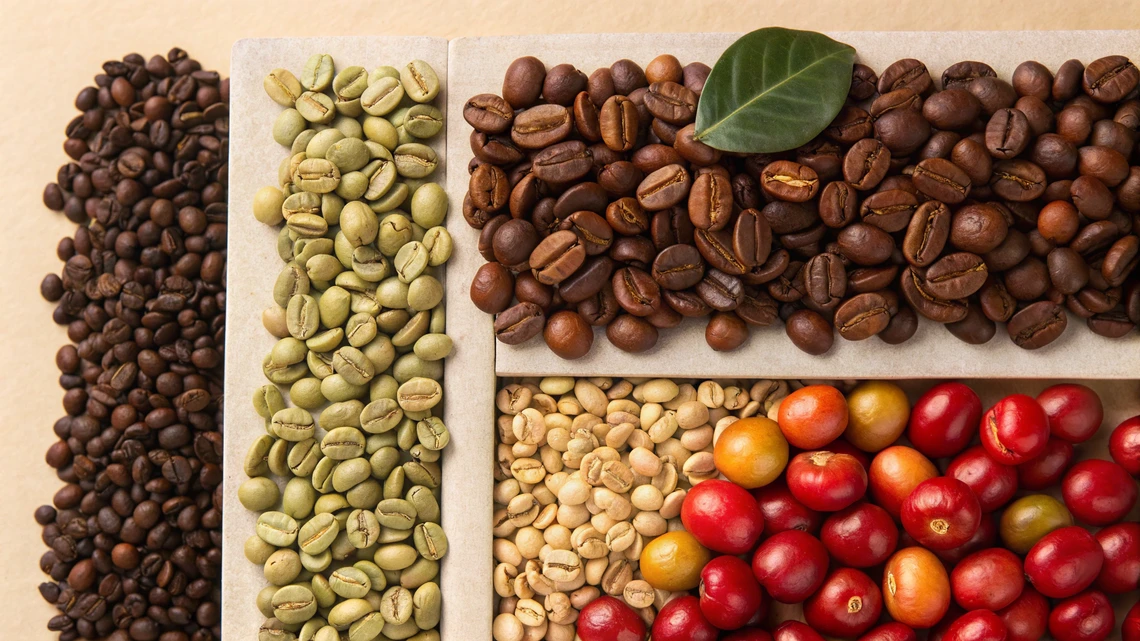
Ethiopian Sidamo (now officially called Sidama) represents one of Ethiopia’s three trademarked coffee regions, alongside Yirgacheffe and Harrar. While Ethiopian Yirgacheffe often steals the spotlight with its explosive floral notes, Sidamo offers something different: a broader spectrum of flavors from a larger, more diverse growing area. These beans deliver the brightness and complexity Ethiopia is famous for, but with more body, sweetness, and versatility than their more celebrated neighbor.
The Sidamo (Sidama) Region
Sidamo encompasses a vast coffee-growing area in southern Ethiopia, significantly larger than the compact Yirgacheffe district. In 2020, the region officially became Sidama Region after administrative restructuring, though coffee traders still commonly use “Sidamo” on packaging.
Geographic characteristics:
- Elevation: 4,900-7,200 feet (1,500-2,200 meters)
- Coverage: Much larger area than Yirgacheffe, with varied microclimates
- Climate: Tropical with distinct wet and dry seasons
- Soil: Volcanic, nutrient-rich, well-draining
- Landscape: Rolling hills, mountains, valleys creating diverse growing conditions
Key sub-regions within Sidamo:
- Bensa – Known for fruit-forward, wine-like coffees
- Arbegona – Produces sweet, balanced profiles
- Aleta Wondo – Floral and citrus characteristics
- Chire – Complex, layered flavors
- Dale – Full-bodied with chocolate notes
Important distinction: Yirgacheffe is technically within the Sidamo/Sidama zone, but has earned separate designation due to its distinct flavor profile and reputation. When you see “Sidamo” on a bag, it typically means beans from areas outside Yirgacheffe proper.
Sidamo vs. Yirgacheffe: Understanding the Differences
Many coffee drinkers wonder how Sidamo compares to its famous neighbor. Here’s the breakdown:
| Characteristic | Sidamo | Yirgacheffe |
|---|---|---|
| Region size | Large, diverse area | Small, concentrated district |
| Flavor intensity | Moderate to high | Very high, pronounced |
| Body | Medium to full | Light to medium |
| Floral notes | Present but subtle | Dominant, jasmine-forward |
| Fruit notes | Berry, citrus, stone fruit | Citrus, berry, tea-like |
| Sweetness | Rich, honey-like | Bright, delicate |
| Versatility | Works in more brewing methods | Best in pour-over/light methods |
| Price | Generally lower ($14-22/lb) | Premium ($18-30+/lb) |
In simple terms:
- Yirgacheffe: Laser-focused, floral, bright, delicate
- Sidamo: Broader, sweeter, more approachable, fuller-bodied
Neither is “better”—they serve different preferences. Yirgacheffe thrills those seeking maximum complexity and brightness. Sidamo appeals to coffee lovers who want Ethiopian character with more body and sweetness.
Processing Methods and Flavor Impact
Like Yirgacheffe, Sidamo produces both washed and natural processed coffees, each creating distinct profiles:
Washed Sidamo: Cherries are depulped and fermented in water to remove mucilage before drying on raised beds. The result is clean, bright coffee with:
- Lemon and citrus zest
- Floral hints (less pronounced than Yirgacheffe)
- Stone fruit (peach, apricot)
- Tea-like qualities
- Chocolate or caramel undertones
- Medium body with silky mouthfeel
Natural Sidamo: Whole cherries dry on raised beds for 2-4 weeks, creating fruit-forward profiles with:
- Blueberry and mixed berry
- Tropical fruit notes (mango, papaya)
- Wine-like complexity
- Dark chocolate
- Fuller body and syrupy texture
- Rich, lingering sweetness
Honey/Pulped Natural (less common): Some producers experiment with hybrid processing, offering:
- Balance between washed clarity and natural fruitiness
- Caramel and red fruit
- Medium body with good complexity
“Sidamo is the Ethiopian coffee I recommend when someone finds Yirgacheffe too intense or tea-like. It gives you that Ethiopian brightness and fruit complexity but with enough body and sweetness to feel substantial. It’s like the difference between a delicate white tea and a robust oolong—both excellent, just different experiences.”
— Alex Thompson
Flavor Profile and Characteristics
Sidamo delivers recognizable Ethiopian character while offering more versatility than other Ethiopian regions:
Common tasting notes:
- Berries (blueberry, blackberry, raspberry)
- Citrus fruits (lemon, orange, bergamot)
- Stone fruits (peach, plum, apricot)
- Chocolate (milk to dark chocolate)
- Caramel and brown sugar
- Floral hints (lighter than Yirgacheffe)
- Spice notes (cinnamon, cardamom in some lots)
Key characteristics:
- Acidity: Medium to high – bright but not aggressive
- Body: Medium to medium-full – more substantial than Yirgacheffe
- Sweetness: Pronounced, honey-like or fruit-forward
- Balance: Well-rounded, accessible
- Complexity: Layered but not overwhelming
The broader geographic area means Sidamo can vary more batch-to-batch than Yirgacheffe. This diversity is actually an advantage—roasters can find Sidamo lots that fit specific flavor profiles or blend purposes.
Best Brewing Methods for Sidamo
Sidamo’s fuller body and balanced acidity make it more forgiving across brewing methods than delicate Yirgacheffe:
Pour-Over (V60, Chemex, Kalita):
- Why it works: Highlights clarity while preserving body
- Grind: Medium (sea salt consistency)
- Water temp: 195-202°F
- Ratio: 1:16 (15g coffee to 240g water)
- Technique: Steady, controlled pours
- Result: Bright, fruity cup with chocolate undertones
French Press:
- Why it works: Fuller body showcases Sidamo’s richness
- Grind: Medium-coarse
- Steep time: 4 minutes
- Ratio: 1:14 for bold cup
- Result: Rich, sweet, full-bodied coffee with berry notes
Drip Coffee Maker:
- Why it works: Reliable daily brewing that captures Sidamo’s balance
- Grind: Medium
- Ensure machine reaches 195-205°F
- Result: Consistent, flavorful cups for everyday drinking
AeroPress:
- Recipe: Standard method, 2-minute steep
- Water temp: 190-200°F
- Pressure: Moderate, controlled
- Result: Clean, concentrated cup with good sweetness
Espresso:
- More forgiving than Yirgacheffe: Medium body holds up to pressure
- Grind: Fine
- Brew ratio: 1:2 to 1:2.5 (18g in, 36-45g out)
- Time: 25-30 seconds
- Result: Fruity, sweet shots with chocolate notes
Cold Brew:
- Works beautifully: Brings out berry sweetness
- Steep time: 18-24 hours
- Ratio: 1:8 for concentrate
- Result: Smooth, chocolate-berry flavor with low acidity
Roast Level Recommendations
Sidamo’s versatility extends to roast levels, though lighter roasts still dominate specialty coffee:
Light roast (recommended for washed Sidamo):
- Preserves brightness and citrus notes
- Highlights origin character
- Maximum complexity
- Common in specialty coffee shops
Light-medium roast (recommended for natural Sidamo):
- Develops sweetness and chocolate notes
- Balances fruit and body
- Appeals to broader audience
- Reduces sharp acidity
Medium roast:
- Acceptable choice – Creates chocolate-forward profile
- Loses some origin character but remains pleasant
- Good for those transitioning from darker roasts
- Works well in espresso
Medium-dark and dark roasts:
- Not recommended – Diminishes Ethiopian characteristics
- Better options exist for dark roast preferences (Brazilian Santos, Colombian Supremo)
How to Select Quality Sidamo Coffee
Sidamo pricing varies widely based on grade, processing, and sourcing transparency:
Quality indicators to look for:
- Grade 1 or Grade 2 – Ethiopian defect-based grading (G1 highest quality)
- Sub-region specified – “Bensa” or “Arbegona” indicates careful sourcing
- Processing method clearly stated – Washed, Natural, or Honey
- Recent harvest year – Ethiopian main harvest: October-January
- Roast date within 3-4 weeks – Sidamo holds freshness slightly better than Yirgacheffe
- Whole beans – Never buy pre-ground Ethiopian coffee
Price ranges:
- Commercial grade: $12-15/lb (often blended or older crop)
- Quality specialty: $16-22/lb (most common range for fresh G1-G2)
- Micro-lots/Single-farm: $24-32/lb (exceptional lots from known producers)
What to avoid:
- Extremely cheap “Sidamo” under $12/lb (likely low-grade or mislabeled)
- Dark roasted Sidamo (defeats the purpose)
- “Ethiopian blend” without specific origin (probably not Sidamo)
- Beans without processing method listed
Common Brewing Mistakes with Sidamo
Even though Sidamo is more forgiving than Yirgacheffe, certain mistakes can ruin the cup:
Water temperature too high:
- Boiling water (212°F) over-extracts and creates harsh bitterness
- Solution: Let water cool 30-60 seconds after boiling, target 195-202°F
Grinding too fine:
- Creates muddy, over-extracted cups
- Solution: Use medium grind for most methods, adjusting based on taste
Over-extraction:
- Long brew times pull out bitter compounds
- Solution: Follow timing guidelines (4 min French press, 2.5-3.5 min pour-over)
Using poor water quality:
- Chlorinated or mineral-heavy water masks delicate flavors
- Solution: Use filtered water with balanced mineral content
Dark roasting at home:
- Destroys origin character for supposed “boldness”
- Solution: Buy from roasters who respect Ethiopian coffee’s natural qualities
Why Ethiopian Sidamo Deserves More Recognition
Despite living in Yirgacheffe’s shadow, Sidamo offers distinct advantages:
Better value proposition:
- Similar Ethiopian complexity at lower prices
- More accessible entry point to Ethiopian coffee
- Consistent availability and quality
Greater versatility:
- Works in more brewing methods
- Appeals to wider range of palates
- Easier to dial in for home brewers
Flavor diversity:
- Broader range of profiles from different sub-regions
- Both washed and natural styles shine equally
- Can satisfy different preferences within same origin
Ideal for:
- Coffee drinkers who find Yirgacheffe too delicate
- Those seeking Ethiopian character with more body
- Home brewers using various methods
- Anyone wanting reliable, flavorful daily coffee
Sidamo proves that being second-most-famous doesn’t mean second-best. It’s simply different—and for many coffee lovers, that difference is exactly what they’re looking for. If Yirgacheffe is Ethiopia’s virtuoso soloist, Sidamo is the versatile performer that adapts brilliantly to any stage.
Like other Arabica varieties from Ethiopia’s highlands
Rare Coffee Varieties

Jamaica Blue Mountain Coffee
Jamaica Blue Mountain stands as one of the world’s most expensive and sought-after coffees, grown exclusively in a protected zone…
Read moreDetails
Hawaiian Kona Coffee
Hawaiian Kona represents America’s only internationally recognized premium coffee, grown exclusively on volcanic slopes of Hawaii’s Big Island where unique…
Read moreDetails
Nicaragua SHB Coffee
Nicaragua SHB (Strictly Hard Bean) represents Central America’s exceptional value proposition in specialty coffee—high-altitude beans delivering balanced, approachable quality at…
Read moreDetails
El Salvador SHG Coffee
El Salvador SHG (Strictly High Grown) represents Central America’s boutique specialty coffee origin—a small country producing limited volumes but exceptional…
Read moreDetails
Honduras SHG Coffee
Honduras SHG (Strictly High Grown) represents Central America’s best-kept secret in specialty coffee—high-altitude beans offering exceptional quality at more accessible…
Read moreDetails
Panama Geisha Coffee
Panama Geisha (also spelled Gesha) represents the pinnacle of specialty coffee—a legendary varietal that has shattered auction records, redefined expectations…
Read moreDetails