 Home
Home Recipes
 Beans
Beans Gear
Gear Roasting
 Brewing
 FAQ
FAQ
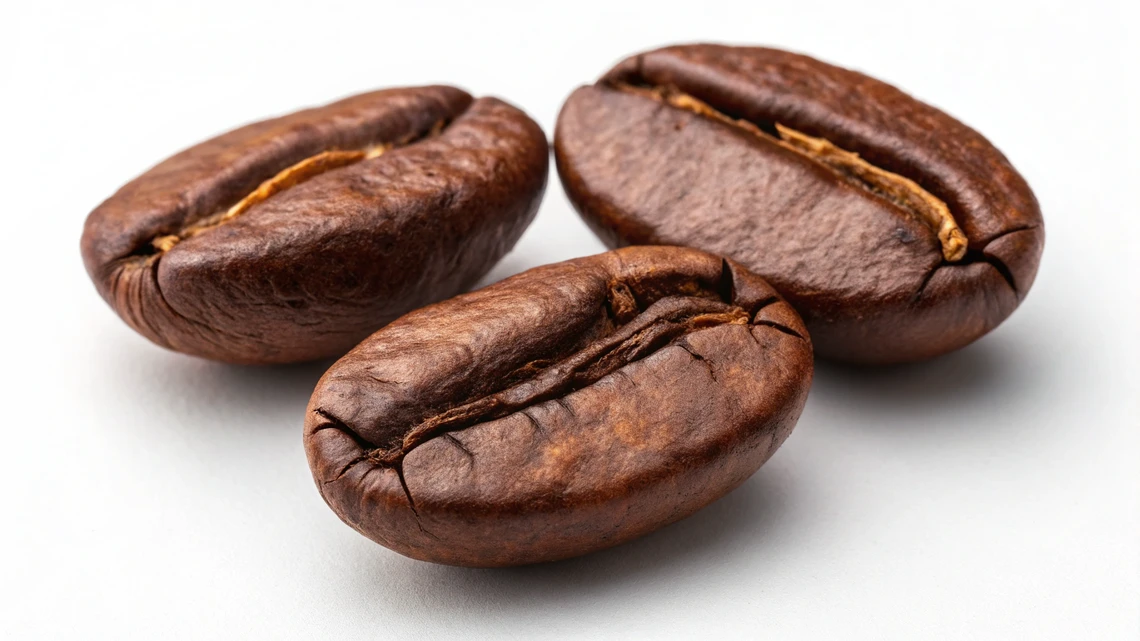
Brazilian Santos is one of the most recognizable names in the coffee world, representing beans grown in Brazil’s São Paulo state and shipped through the historic Port of Santos. Unlike varietals named after coffee plant species, Santos is a market designation that tells you where the beans come from and how they’re graded. This classic Brazilian coffee has been a staple in blends and single-origin offerings for over a century, prized for its smooth profile and reliable quality.
Where Santos Coffee Comes From
The name “Santos” doesn’t refer to a specific growing region or farm—it’s the port city where these beans have been exported since the late 1800s. Located in São Paulo state, the Port of Santos became Brazil’s main coffee shipping hub during the country’s coffee boom.
Beans grown in several key regions are shipped through Santos:
- São Paulo highlands – The traditional heartland of Brazilian coffee production
- Minas Gerais – Brazil’s largest coffee-producing state, known for sweet, balanced beans
- Paraná – Southern region contributing to the Santos designation
- Espírito Santo – Some beans from this coastal state also ship through Santos
The regions producing Santos coffee sit at elevations between 2,000 and 4,000 feet, lower than many specialty coffee origins. The climate features distinct wet and dry seasons, with beans typically processed using the natural (dry) method, where coffee cherries dry with the bean still inside.
Understanding the Santos Grading System
Brazil uses a unique grading system based on defects and bean size, and Santos coffees are classified within this framework. Here’s how the grades break down:
| Grade | Defect Count | Quality Level | Typical Use |
|---|---|---|---|
| Santos NY2 | 0-4 defects per 300g | Premium | Specialty coffee, high-end blends |
| Santos NY3 | 5-8 defects per 300g | Good | Commercial specialty, standard blends |
| Santos NY4 | 9-25 defects per 300g | Fair | Commodity coffee, instant coffee |
| Santos NY5 | 26-45 defects per 300g | Low | Commodity only |
The “NY” designation comes from the New York commodity exchange, where Brazilian coffee was historically traded. A lower number means fewer defects and better quality. When you see “Santos Bourbon” or “Santos Typica,” that indicates both the port origin and the specific varietal of coffee plant.
“Brazilian Santos taught me that great coffee doesn’t need to be complicated. Its consistent, chocolate-forward profile makes it the perfect foundation—whether you’re just starting your coffee journey or you’re a seasoned brewer looking for a reliable daily drinker. I’ve recommended it to hundreds of home brewers, and it never disappoints.”
— Alex Thompson
Flavor Profile and Characteristics
Brazilian Santos offers a mild, approachable flavor that makes it incredibly versatile. The taste profile typically includes:
Primary tasting notes:
- Roasted nuts (peanuts, almonds, hazelnuts)
- Milk chocolate and cocoa
- Caramel and brown sugar sweetness
- Subtle hints of toast or grain
Key characteristics:
- Acidity: Low to medium – much less bright than Ethiopian Yirgacheffe or Central American coffees
- Body: Medium to full with smooth, creamy mouthfeel
- Sweetness: Natural processing adds subtle caramel notes
- Finish: Clean and lingering, without bitterness
The overall impression is balanced and straightforward—no wild flavor fireworks, but a dependable, pleasant cup. This neutral profile is exactly why Santos works so well in espresso blends, where it provides body and sweetness without overwhelming other origins like Colombian Supremo.
Best Brewing Methods for Santos
Santos coffee’s forgiving nature makes it suitable for virtually any brewing method. Here’s how it performs:
Espresso:
- Creates smooth shots with excellent crema
- Low acidity prevents sour notes in under-extracted shots
- Full body produces rich, chocolatey espresso
- Ideal brew ratio: 1:2 (18g in, 36g out in 25-30 seconds)
Pour-over (V60, Chemex, Kalita):
- Medium grind (similar to sea salt)
- Water temperature: 195-205°F
- Ratio: 1:16 (15g coffee to 240g water)
- Highlights natural sweetness and clarity
French Press:
- Coarse grind
- 4-minute steep time
- Showcases full body and chocolate notes
- Ratio: 1:15 for a rich, smooth cup
Cold Brew:
- Coarse grind, 12-24 hour steep
- Ratio: 1:8 (concentrate) or 1:5 (ready-to-drink)
- Natural sweetness shines through
- Low acidity makes it incredibly smooth
How to Choose Quality Santos Coffee
When shopping for Brazilian Santos, look for these quality indicators:
Grading and certifications:
- NY2 grade for premium quality
- Organic certification (widely available from Brazilian farms)
- Rainforest Alliance or Fair Trade stamps
- Single-estate Santos for traceability
Freshness markers:
- Roast date within past 2-4 weeks
- Whole beans (never pre-ground)
- Properly sealed bags with one-way valves
- Clear origin information on the label
Roast level recommendations:
- Light roast: Preserves origin character, highlights sweetness
- Medium roast (recommended): Balances sweetness and chocolate notes
- Medium-dark: Develops deeper chocolate and caramel flavors
- Dark roast: Still works, but can overpower subtle nuances
Why Santos Remains Popular
In an era of exotic microlots and rare varieties, Brazilian Santos might seem old-fashioned. But there’s a reason it’s endured for generations:
Consistency and reliability:
- Year-round availability
- Stable pricing compared to seasonal microlots
- Predictable flavor profile across different harvests
- Lower risk of wild variations
Versatility in use:
- Works as single-origin or in blends
- Adapts to any brewing method
- Suitable for all roast levels
- Appeals to both beginners and experienced drinkers
Economic accessibility:
- More affordable than many specialty origins
- Excellent value for quality
- Available in most coffee shops and roasteries
- Good choice for daily drinking without breaking the bank
For home brewers, Santos offers an affordable entry point into specialty coffee. It’s forgiving enough for beginners still dialing in their technique, yet quality enough that experienced brewers appreciate its balance. Whether you’re pulling espresso shots, making a daily drip pot, or experimenting with cold brew, Brazilian Santos delivers solid performance without demanding perfection.
The next time you see Santos on a coffee bag or menu, you’ll know you’re getting beans from Brazil’s historic coffee heartland, graded for quality, and ready to brew into a smooth, chocolatey cup that’s been satisfying coffee drinkers for generations.
Learn more about different brewing techniques in our French Press brewing guide
Rare Coffee Varieties

Jamaica Blue Mountain Coffee
Jamaica Blue Mountain stands as one of the world’s most expensive and sought-after coffees, grown exclusively in a protected zone…
Read moreDetails
Hawaiian Kona Coffee
Hawaiian Kona represents America’s only internationally recognized premium coffee, grown exclusively on volcanic slopes of Hawaii’s Big Island where unique…
Read moreDetails
Nicaragua SHB Coffee
Nicaragua SHB (Strictly Hard Bean) represents Central America’s exceptional value proposition in specialty coffee—high-altitude beans delivering balanced, approachable quality at…
Read moreDetails
El Salvador SHG Coffee
El Salvador SHG (Strictly High Grown) represents Central America’s boutique specialty coffee origin—a small country producing limited volumes but exceptional…
Read moreDetails
Honduras SHG Coffee
Honduras SHG (Strictly High Grown) represents Central America’s best-kept secret in specialty coffee—high-altitude beans offering exceptional quality at more accessible…
Read moreDetails
Panama Geisha Coffee
Panama Geisha (also spelled Gesha) represents the pinnacle of specialty coffee—a legendary varietal that has shattered auction records, redefined expectations…
Read moreDetails