 Home
Home Recipes
 Beans
Beans Gear
Gear Roasting
 Brewing
 FAQ
FAQ

I recently found out that cascara, the coffee industry’s most overlooked byproduct, is getting attention for its health benefits. Cascara, which means “husk” in Spanish, is the dried fruit of the coffee cherry. It’s usually thrown away during coffee making.
As someone who loves coffee, I was excited to learn about cascara tea. It’s not just a green alternative to regular tea. It’s also full of antioxidants and nutrients. Cascara’s health benefits are wide-ranging, from boosting heart health to fighting inflammation.
Key Takeaways
- Cascara is a byproduct of coffee production with numerous health benefits.
- It is rich in antioxidants and nutrients, making it a healthy beverage option.
- Cascara tea may help improve cardiovascular health.
- It has anti-inflammatory properties that can aid in overall well-being.
- Cascara is a sustainable alternative to traditional tea.
What is Cascara? The Hidden Gem of Coffee Production
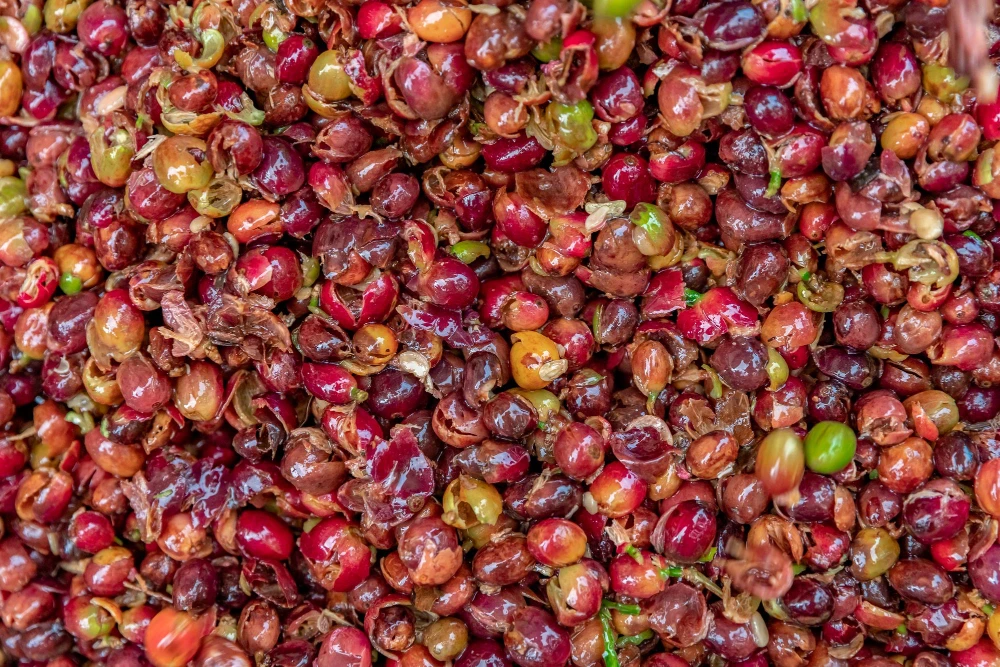
Cascara is a byproduct of coffee making, packed with health benefits. It comes from the dried skins of coffee fruit. This term, “cascara,” means “husk” in Spanish.
The coffee fruit, or coffee cherries, has seeds known as coffee beans. But the outer skin and pulp are used to make cascara. These parts are usually thrown away in coffee production.
From Fruit to Waste to Valuable Resource
To make cascara, coffee cherries are first picked from the tree. The seeds are taken out for coffee, leaving the fruit’s outer layers.
These layers are dried, either by sun or machines, to get cascara. It can be brewed like tea, offering a tasty and healthy drink.
Cascara’s journey from waste to valuable resource is good for the planet. It also helps coffee farmers earn more money. Using the whole coffee fruit reduces waste and supports sustainability.
Cascara is also very nutritious. It’s full of antioxidants, vitamins, and minerals. This makes it a great choice over regular tea or coffee.
| Nutrient | Amount per Serving | Health Benefit |
|---|---|---|
| Antioxidants | High | Protects against cell damage |
| Vitamin C | Moderate | Boosts immune system |
| Potassium | Moderate | Supports heart health |
In summary, cascara is more than a coffee byproduct. It’s a healthy drink with a rich history and health benefits. As people care more about the environment, cascara’s popularity is expected to rise.
From Waste to Wonder: The Journey of Coffee Pulp to Cascara
The transformation of coffee pulp into cascara is amazing. It shows how coffee producers are creative. Once seen as waste, coffee cherry husks are now valuable. This change helps reduce waste and gives farmers more income.
It starts with picking coffee cherries. The beans are taken out, leaving the pulp. To make cascara, the pulp must dry. This removes moisture and keeps its nutrients.
Drying and Preservation Techniques
Sun drying is old-school. The pulp is spread out in the sun. It’s important to watch it to avoid drying too much or getting dirty. Dr. Maria Rodriguez, a coffee expert, says, “The secret to good sun drying is finding the right balance.”
Mechanical drying is more controlled. It lets you adjust temperature and air flow. It’s great for places with bad weather. A study in the Coffee Science Journal says, “Mechanical drying cuts down mold and bacteria risks, making cascara safer and better.”
“The art of drying cascara is not just about removing moisture; it’s about preserving the delicate flavors and nutrients that make cascara a unique and healthy beverage choice.” –
After drying, cascara can last a long time. It’s good for both local and international markets. The way it’s preserved and its health benefits are changing the coffee world.
Cascara: Coffee or Tea? Defining This Unique Beverage
Exploring cascara, I found it’s not just coffee or tea. It’s something special. Cascara comes from the dried fruit of the coffee plant, called the coffee cherry. This makes it different from both coffee and tea.
Preparing cascara is unique too. It’s made by steeping the coffee cherry husks in hot water, like tea. But, its taste and caffeine levels are unlike coffee or tea.
So, how does cascara compare to coffee and tea? Let’s look at their differences and similarities in the table below.
| Characteristics | Cascara | Coffee | Tea |
|---|---|---|---|
| Source | Coffee cherry husks | Coffee beans | Tea leaves |
| Preparation Method | Steeping | Brewing/Espresso | Steeping |
| Caffeine Content | Low to Moderate | High | Low to Moderate |
| Flavor Profile | Fruity, floral | Rich, bitter | Varies by type |
In conclusion, cascara is unique. It has its own taste, way of making, and caffeine level. As we explore more specialty drinks, understanding cascara’s uniqueness can deepen our appreciation for it.
The Nutritional Profile of Cascara
Cascara is different from regular coffee because of its unique health benefits. It’s a tea made from the dried fruit of the coffee plant. This gives it a special set of nutrients.
One big plus of cascara is its high antioxidant levels. Antioxidants help protect our bodies from damage caused by free radicals. Cascara’s antioxidants are as good as, or even better than, those in regular coffee. This makes it a great choice for those looking to boost their antioxidant intake.
How It Compares to Traditional Coffee
Cascara has less caffeine than coffee. This is good news for people who are sensitive to caffeine or want to drink less of it.
Here’s a quick comparison of cascara and coffee:
| Nutritional Component | Cascara | Traditional Coffee |
|---|---|---|
| Caffeine Content | Lower | Higher |
| Antioxidant Level | High | High, but variable |
| Vitamins and Minerals | Rich in vitamins and minerals | Contains some minerals, but less diverse |
In summary, cascara has a nutritional profile that’s better than regular coffee. It has more antioxidants, less caffeine, and is rich in vitamins. This makes it a great choice for those who care about their health.
Health Benefits of Cascara: What Research Reveals
Studies show that cascara is more than a coffee byproduct. It’s a drink full of nutrients with health benefits. Made from coffee cherry fruit, it has antioxidant properties and more.
Research finds that cascara is packed with antioxidants. These protect the body from harmful free radicals. This can reduce inflammation and improve health. Its antioxidants are similar to those in fruits and teas, making it a healthy drink choice.
Adding cascara to my daily routine boosted my energy. Unlike coffee, which can cause jitters, cascara gives a smooth energy boost. This is thanks to its balanced mix of caffeine and nutrients.
My experience matches the research. Cascara’s mix of antioxidants and caffeine boosts energy without coffee’s downsides. It’s a great choice for those looking for a healthier energy drink.
Cascara’s benefits go beyond just energy. Its antioxidants and anti-inflammatory effects make it good for a healthy diet. As research finds more about cascara, it’s clear it’s not just a new drink. It’s a key to better health.
Cascara and Digestive Health: A Natural Remedy
Cascara is gaining attention for its nutritional benefits, especially for digestion. It offers advantages in both cascara tea and cascara extract.
Cascara is packed with antioxidants and fiber, which are good for the gut. The fiber helps with bowel movements, prevents constipation, and supports good gut bacteria.
Cascara Tea vs. Cascara Extract for Digestion
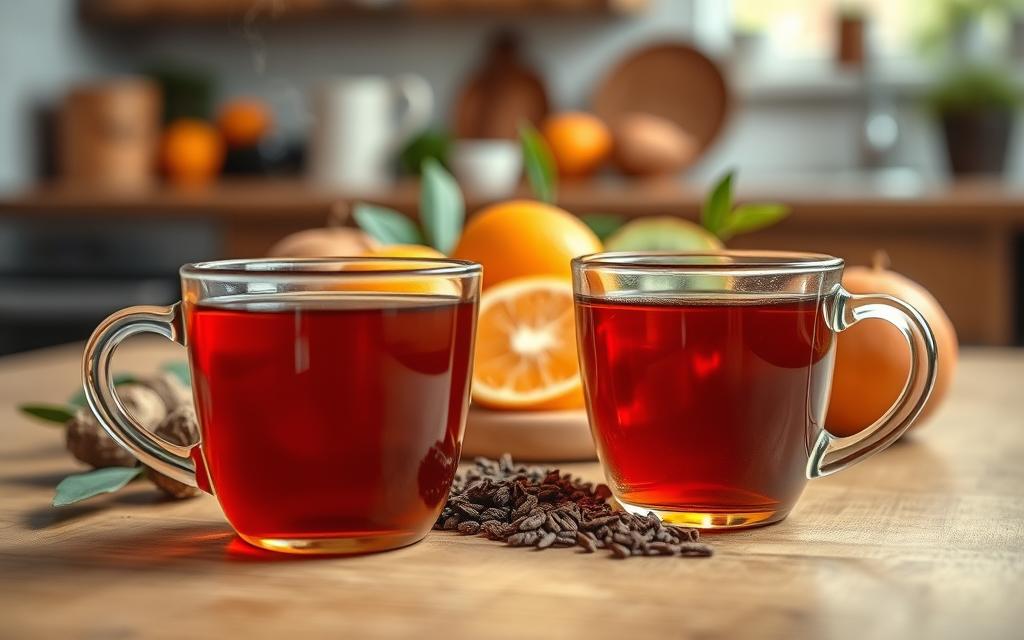
Choosing between cascara tea and extract depends on personal needs. Cascara tea is gentle and soothing for digestion. Cascara extract, on the other hand, offers a stronger dose of its benefits.
| Form | Benefits for Digestion | Preparation |
|---|---|---|
| Cascara Tea | Gentle on the stomach, promotes regular bowel movements | Steep dried cascara in hot water |
| Cascara Extract | Concentrated dose of antioxidants and fiber | Available in capsules or liquid form |
In conclusion, both cascara tea and extract can improve digestive health. Knowing their benefits helps choose the right one for your needs.
Potential Side Effects and Precautions When Using Cascara
It’s important to know the possible side effects of cascara to use it safely. Cascara is usually safe, but it can affect some people differently.
The common side effects include bloating, gas, and stomach cramps. These issues are usually mild and short-lived. But, in some cases, they can be more serious.
To avoid side effects, start with a small amount and gradually increase it. If you have health issues or are on medication, talk to a doctor before trying cascara.
Differentiating Between Cascara Sagrada and Coffee Cascara
It’s important to know the difference between cascara sagrada and coffee cascara. Cascara sagrada comes from the bark of the Rhamnus purshiana tree and is used for laxative purposes. Coffee cascara, on the other hand, is the dried fruit of the coffee plant and is drunk as a tea.
| Characteristics | Cascara Sagrada | Coffee Cascara |
|---|---|---|
| Source | Bark of Rhamnus purshiana tree | Dried fruit of coffee plant |
| Primary Use | Laxative | Tea or infusion |
| Potential Side Effects | Severe diarrhea, abdominal pain | Gastrointestinal issues (mild) |
When using cascara, whether it’s cascara sagrada or coffee cascara, be aware of the possible side effects. Take precautions to ensure safe and beneficial use.
The Economics of Cascara: Why It Costs More Than Coffee Beans
Cascara is pricier than coffee beans due to its labor-intensive harvesting and processing. Unlike coffee beans, cascara needs a detailed approach to ensure quality. This makes it more expensive.
Labor Costs and Quality Control are key reasons for cascara’s higher price. Farmers pick coffee cherries by hand and process them carefully. This is more time-consuming and costly than making coffee beans.

The demand for cascara in specialty coffee markets also affects its price. As more people seek unique, high-quality drinks, cascara’s popularity grows. Its supply is tied to coffee production, which can impact its cost.
The Future of Cascara Pricing and Accessibility
The future of cascara pricing will depend on several factors. Advances in processing technology and changes in consumer demand are key. If processing becomes more efficient, cascara might become more affordable for more people.
The rise in demand for sustainable products could also influence cascara uses and pricing. As more people learn about the environmental benefits of using the whole coffee cherry, demand for cascara may increase. This could affect its price.
- Increased demand from specialty markets
- Advancements in processing technology
- Growing interest in sustainable products
These factors will shape the future of cascara. As the market evolves, we can expect changes in its pricing and availability.
Cascara Through History: From Traditional Medicine to Modern Superfood
Cascara, or ‘coffee cherry tea,’ has a rich history. It’s as colorful as the places it’s grown. I learned about it on my coffee farm visits. The name ‘cascara’ means ‘husk’ in Spanish, which is the dried fruit of the coffee cherry.
For centuries, cascara has been used in many cultures. It’s not just a drink but also for its health benefits.
How I Discovered Cascara on My Coffee Farm Visits
On my coffee farm tours, I met farmers who made cascara tea. They’ve been doing this for generations. It showed me how coffee farmers use every part of the plant.
This sparked my interest in cascara’s history and health benefits.
In countries like Yemen, cascara is a big part of traditional medicine. People drink it for its taste and health perks. It’s thought to have anti-inflammatory properties and helps with many health issues.
Now, cascara is seen as a modern superfood. It’s full of antioxidants, vitamins, and minerals. This makes it a hit with people who care about their health.
| Region | Traditional Use | Modern Application |
|---|---|---|
| Yemen | Medicinal tea | Beverage and supplement |
| Latin America | Ceremonial drink | Health food and wellness |
| East Africa | Energy booster | Functional beverage |
Cascara’s journey from traditional remedy to modern superfood shows how food cultures evolve. It’s a sign of our growing interest in sustainable, healthy foods. Cascara’s future looks bright.
Conclusion: Embracing Cascara as a Sustainable and Healthy Alternative
Cascara is a hidden gem in the world of coffee, offering health benefits and a sustainable choice. It shows how innovation can turn waste into a valuable product. This change is a big step towards a greener coffee industry.
Cascara is packed with antioxidants, vitamins, and minerals. It’s a great choice for those looking for a healthier drink. It not only tastes good but also boosts your health, making it a favorite among health enthusiasts.
Choosing cascara supports sustainable coffee practices and offers a unique, healthy drink. As more people look for eco-friendly options, cascara is set to become a key part of a healthier, greener future.
Related Articles

Caffeine in coffee: how many mg in a cup of instant, ground and filter coffee, in espresso and in green coffee
I will not write about the benefits and harms of caffeine, its effect on the body, the content of caffeine…
Read moreDetails
How is decaffeinated coffee (decaf) made? Benefits, harms and differences
Let me clarify right away, instant decaffeinated coffee is not the subject of this article, because all instant coffee is…
Read moreDetails