
 Home
Home Recipes
 Beans
Beans Gear
Gear Roasting
 Brewing
 FAQ
FAQ
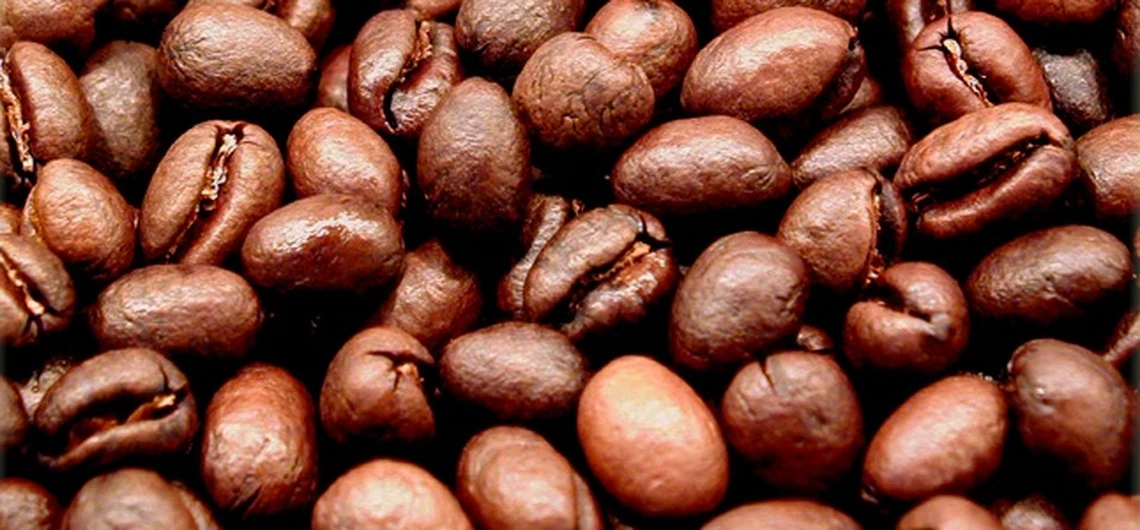
Tanzania Peaberry represents a unique combination of geographic origin and bean mutation, creating one of East Africa’s most sought-after specialty coffees. Unlike other regional designations that simply indicate where beans are grown, “Peaberry” describes a natural occurrence where a single, round bean develops inside the coffee cherry instead of the typical two flat-sided beans. When this rare mutation happens in Tanzania’s high-altitude regions near Mount Kilimanjaro and Mount Meru, the result is a coffee prized for its concentrated flavor, bright acidity, and remarkable sweetness.
Understanding Peaberry Beans
Before diving into Tanzania specifically, it’s essential to understand what makes peaberry coffee special:
Normal coffee cherry development:
- Coffee cherry contains two seeds (beans) facing each other
- Each bean has one flat side and one rounded side
- These are called “flat beans” or “normal beans”
- Represents approximately 95-97% of coffee production
Peaberry mutation:
- Only one bean develops in the cherry instead of two
- Bean grows completely round without a flat side
- Natural occurrence, not a separate variety or species
- Occurs in roughly 3-5% of all coffee cherries
- Happens across all Arabica varieties and origins
Why peaberry is separated:
- Uniform shape allows more even roasting
- Round beans roast differently than flat beans
- Easier to sort by size and density
- Commands premium pricing due to rarity
- Some believe flavor is more concentrated (debated among professionals)
The flavor debate: Many coffee professionals argue about whether peaberries actually taste better than regular beans from the same lot, or if the difference is primarily marketing. Proponents claim the single bean receives all the nutrients that would normally be split between two, creating more intense flavor. Skeptics note that controlled cuppings often show minimal difference. What’s undeniable: peaberries roast more evenly due to uniform shape, and Tanzanian peaberries have earned strong reputations regardless of the science.
Tanzania’s Coffee-Growing Regions
Tanzania shares growing conditions similar to neighboring Kenya, with volcanic soil, high altitudes, and ideal climate creating exceptional coffee:
Primary growing regions:
Mount Kilimanjaro area (Northern Highlands):
- Slopes of Africa’s tallest mountain
- Elevations: 3,900-6,000 feet (1,200-1,800 meters)
- Volcanic soil, cool temperatures
- Produces bright, wine-like coffees
- Traditional Tanzanian coffee heartland
Mount Meru area:
- Near Arusha in northern Tanzania
- Elevations: 4,000-5,600 feet
- Similar terroir to Kilimanjaro
- Slightly more body than Kilimanjaro lots
Southern Highlands (Mbeya, Rungwe):
- Rapidly growing specialty coffee region
- Elevations: 4,900-7,200 feet (1,500-2,200 meters)
- Some of Tanzania’s highest elevations
- Complex, fruity profiles with excellent acidity
Tarime (near Lake Victoria):
- Western region near Kenyan border
- Lower elevations but quality production
- Fuller body, chocolate notes
Growing conditions:
- Elevation: 3,900-7,200 feet across regions
- Soil: Volcanic, mineral-rich, well-draining
- Climate: Distinct wet and dry seasons, two harvests annually
- Varietals: Kent, Bourbon, Nyasa (Arabica cultivars)
- Cultivation: Mix of smallholder farms and estates
Tanzania’s altitude and volcanic soil create flavor profiles reminiscent of Kenya AA, though typically with softer acidity and more chocolate undertones.
Tanzania’s Grading System
Tanzania uses a letter-based grading system similar to Kenya, primarily based on bean size:
| Grade | Description | Bean Size | Market Position |
|---|---|---|---|
| AA | Largest flat beans | 18+ screen size | Premium |
| A | Large flat beans | 17 screen size | High quality |
| B | Medium flat beans | 16 screen size | Good quality |
| PB (Peaberry) | Round beans (any size) | Varies | Premium specialty |
| C | Smaller beans | 15 screen size | Commercial |
| E | Elephant (extra large) | 18+ | Rare, novelty |
| UG | Under grade | Mixed sizes | Lower commercial |
Peaberry grading specifics:
- Separated mechanically during processing
- Further sorted by size and density
- Only 3-5% of total crop
- Commands 20-40% price premium over equivalent flat beans
- Considered premium regardless of size due to rarity and roasting advantages
Flavor Profile and Characteristics
Tanzania Peaberry offers a distinctive taste experience that falls between Ethiopian brightness and Kenyan intensity:
Common tasting notes:
- Black currant – Kenyan influence, though softer
- Citrus – Orange, lemon, grapefruit (less aggressive than Kenya)
- Stone fruits – Apricot, peach, plum
- Dark chocolate – More pronounced than Kenya
- Brown sugar and honey – Rich sweetness
- Red wine – Wine-like complexity and body
- Black tea – Subtle tannic quality
- Tropical fruits – Mango, papaya in some lots
Key characteristics:
- Acidity: Medium-high to high – bright but smoother than Kenya
- Body: Medium to medium-full – more substantial than Ethiopian coffees
- Sweetness: Pronounced, honey-like with brown sugar
- Complexity: Multi-layered, balanced
- Finish: Clean, lingering fruit and chocolate
Regional variations:
Kilimanjaro/Meru Peaberries:
- Brighter acidity
- Wine-like qualities
- Citrus and stone fruit forward
- Classic Tanzania profile
Southern Highlands Peaberries:
- Fuller body
- More chocolate notes
- Complex fruit (berry and tropical)
- Often considered Tanzania’s finest
“Tanzania Peaberry is what I recommend when someone loves Kenya AA’s brightness but finds it too intense. You get that East African sparkle and fruit complexity, but with more sweetness and chocolate to balance everything out. The round beans also make my job easier as a home roaster—they develop so evenly that it’s hard to mess them up.”
— Alex Thompson
Peaberry vs. Flat Beans: Does Shape Matter?
The eternal coffee debate: are peaberries actually better, or just different?
Arguments FOR peaberry superiority:
- More even roasting due to uniform shape
- Single bean concentrates all nutrients and flavor
- Higher density often correlates with better quality
- Easier to achieve consistent roasts
- Premium pricing reflects market demand
Arguments AGAINST peaberry mythology:
- Blind cuppings often show minimal difference
- Quality depends more on terroir, processing, and roasting
- Flat beans from same farm can cup equally well
- Price premium is partly marketing and rarity
- Some peaberries occur due to stress (not always positive)
The practical truth:
- Roasting advantage is real – Uniform shape creates consistent development
- Flavor concentration is debatable – Controlled studies show mixed results
- Quality depends on source – Premium peaberries come from quality farms
- Not all peaberries are equal – Tanzanian reputation is deserved, but not all origins produce exceptional peaberries
Bottom line: Tanzanian peaberries specifically have earned their reputation through consistently excellent cup quality, whether due to the bean shape itself or the careful selection and processing that premium peaberry lots receive.
Processing Methods
Tanzania primarily uses washed processing, though natural and honey processing are emerging:
Washed (Wet Processed) – MOST COMMON:
- Cherries depulped within 24 hours of picking
- Fermentation in tanks for 24-48 hours
- Washing in clean water channels
- Drying on raised beds or patios for 7-14 days
- Result: Clean, bright profile with pronounced acidity and clarity
Natural (Dry Processed) – EMERGING:
- Whole cherries dried on raised beds for 2-3 weeks
- Creates fruit-forward profiles
- Result: Berry flavors, fuller body, tropical fruit notes
- Less common but growing in specialty market
Honey/Pulped Natural – RARE:
- Some progressive estates experimenting
- Creates balanced profiles between washed and natural
- Result: Good body with clean fruit notes
Most Tanzanian peaberries on the specialty market are washed, highlighting the origin’s natural brightness and complexity without heavy fruit influence.
Best Brewing Methods for Tanzania Peaberry
Tanzania Peaberry’s balanced profile works across multiple brewing methods:
Pour-Over (V60, Kalita, Chemex) – RECOMMENDED:
- Why it works: Showcases brightness and complexity cleanly
- Grind: Medium (sea salt consistency)
- Water temp: 198-205°F
- Ratio: 1:16 (15g coffee to 240g water)
- Result: Bright, clean cup with fruit and chocolate balance
French Press:
- Why it works: Develops fuller body and chocolate notes
- Grind: Medium-coarse
- Steep time: 4 minutes
- Ratio: 1:15
- Result: Rich, wine-like cup with good sweetness
AeroPress:
- Perfect for peaberry: Even extraction from uniform beans
- Recipe: Standard or inverted, 2-2.5 minute steep
- Water temp: 195-200°F
- Result: Concentrated, smooth, balanced cup
Drip Coffee Maker:
- Works well: Reliable for daily brewing
- Grind: Medium
- Ensure machine reaches 195-205°F
- Result: Consistent, flavorful everyday coffee
Espresso:
- Good performance: Even bean shape helps extraction
- Grind: Fine, consistent
- Ratio: 1:2 to 1:2.5
- Time: 25-30 seconds
- Result: Sweet, chocolatey shots with bright fruit notes
Cold Brew:
- Excellent choice: Brings out sweetness, reduces acidity
- Steep time: 18-24 hours
- Ratio: 1:8 for concentrate
- Result: Smooth, chocolate-fruit profile
Roast Level Recommendations
Tanzania Peaberry’s balanced flavor profile adapts to various roast levels better than some origins:
Light roast:
- Preserves brightness and fruit complexity
- Highlights origin character
- Citrus and stone fruit prominent
- Popular in specialty coffee
Light-medium roast (MOST POPULAR):
- Ideal balance for Tanzania Peaberry
- Develops chocolate and sweetness
- Maintains good acidity
- Appeals to wide audience
- What many specialty roasters offer
Medium roast:
- Very acceptable – Chocolate-forward with fruit undertones
- Rounds out acidity nicely
- Good body and sweetness
- Approachable for all palates
Medium-dark roast:
- Acceptable but not ideal – Begins losing origin character
- Chocolate dominates, fruit recedes
- Better choices exist for darker roasting preferences
Dark roast:
- Not recommended – Wastes premium peaberry characteristics
- Generic coffee flavor, no regional distinction
How to Select Quality Tanzania Peaberry
Tanzania Peaberry commands premium prices due to rarity and sorting labor:
Quality indicators:
- “Peaberry” clearly stated – Essential designation
- Grade specified – AA Peaberry or PB from reputable sources
- Region named – Kilimanjaro, Southern Highlands, Meru
- Estate or cooperative name – Traceability indicates quality
- Processing method – Usually washed, occasionally natural
- Roast date within 2-4 weeks – Peaberry holds freshness well
- Light to medium roast – Preserves characteristics
Price expectations:
- Standard Tanzania Peaberry: $18-26/lb
- Premium single-estate: $26-35/lb
- Competition/micro-lots: $38-50+/lb
- Comparison: Typically 20-30% more than AA flat beans from same region
What to avoid:
- Tanzania Peaberry under $16/lb (suspect quality or old crop)
- Dark roasted peaberry (defeats the purpose)
- Generic “African peaberry” without Tanzania designation
- No processing or grade information
Consider flat bean alternatives: If budget is a concern, Tanzania AA flat beans from quality farms often cup nearly as well as peaberries at lower prices. The peaberry premium is partly due to rarity and sorting costs.
Tanzania Peaberry vs. Kenya AA
As neighbors sharing similar terroir, Tanzania and Kenya offer interesting comparisons:
| Characteristic | Tanzania Peaberry | Kenya AA |
|---|---|---|
| Acidity | Medium-high, smooth | Very high, intense |
| Primary notes | Chocolate, stone fruit, citrus | Blackcurrant, tomato, grapefruit |
| Body | Medium-full | Medium to full |
| Sweetness | Pronounced honey/brown sugar | Brown sugar balancing acidity |
| Intensity | Balanced, approachable | Bold, assertive |
| Complexity | High, layered | Very high, complex |
| Processing | Primarily washed | Double-fermented washed |
| Price | $18-35/lb | $18-38/lb |
In simple terms:
- Kenya AA: More intense, brighter, bolder—coffee that announces itself
- Tanzania Peaberry: Softer, sweeter, more balanced—refined elegance
Both are excellent East African coffees, but Tanzania often appeals to those who find Kenya too aggressive while still wanting African brightness and complexity.
Why Tanzania Peaberry Stands Out
Despite being less famous than Kenya AA or Ethiopian Yirgacheffe, Tanzania Peaberry has earned devoted followers:
Unique characteristics:
- Combines East African brightness with approachable balance
- Peaberry rarity adds perceived value and actual roasting advantages
- Consistent quality from established growing regions
- Less polarizing than Kenya’s intensity
Value proposition:
- Premium coffee without extreme pricing
- Accessible introduction to East African coffees
- Versatile across brewing methods and roast levels
- Reliable cup quality
Growing recognition:
- Specialty roasters increasingly featuring Tanzania
- Southern Highlands emerging as quality powerhouse
- Direct trade relationships improving traceability
- Competition lots showing exceptional potential
Ideal for:
- Coffee lovers who appreciate brightness without intensity
- Those seeking balanced, complex daily drinkers
- Anyone wanting East African character with chocolate notes
- Home roasters (peaberries roast very evenly)
Tanzania Peaberry represents East African coffee’s approachable side—it has the sparkle and complexity that makes African coffees exciting, but with enough sweetness and body to satisfy a broader range of preferences. Whether the round bean shape actually concentrates flavor or just roasts more evenly, the end result is undeniable: consistently excellent coffee that deserves more attention than it typically receives.
Rare Coffee Varieties

Jamaica Blue Mountain Coffee
Jamaica Blue Mountain stands as one of the world’s most expensive and sought-after coffees, grown exclusively in a protected zone…
Read moreDetails
Hawaiian Kona Coffee
Hawaiian Kona represents America’s only internationally recognized premium coffee, grown exclusively on volcanic slopes of Hawaii’s Big Island where unique…
Read moreDetails
Nicaragua SHB Coffee
Nicaragua SHB (Strictly Hard Bean) represents Central America’s exceptional value proposition in specialty coffee—high-altitude beans delivering balanced, approachable quality at…
Read moreDetails
El Salvador SHG Coffee
El Salvador SHG (Strictly High Grown) represents Central America’s boutique specialty coffee origin—a small country producing limited volumes but exceptional…
Read moreDetails
Honduras SHG Coffee
Honduras SHG (Strictly High Grown) represents Central America’s best-kept secret in specialty coffee—high-altitude beans offering exceptional quality at more accessible…
Read moreDetails
Panama Geisha Coffee
Panama Geisha (also spelled Gesha) represents the pinnacle of specialty coffee—a legendary varietal that has shattered auction records, redefined expectations…
Read moreDetails


