 Home
Home Recipes
 Beans
Beans Gear
Gear Roasting
 Brewing
 FAQ
FAQ
Let me clarify right away, instant decaffeinated coffee is not the subject of this article, because all instant coffee is garbage. If you think otherwise, please leave my site. Just kidding. Nevertheless, I believe that you should only drink decaffeinated coffee beans, or ground coffee at a stretch. Although even Lavazza decaf is nothing short of a test of willpower. This material will be concise, without fluff—you can read flowery prose elsewhere. Let’s get started.
What is Decaf?
Decaffeinated coffee, also known as decaf, decaffeinated beverage, or Swiss Water coffee is coffee that has undergone a procedure to remove caffeine through various methods. There are five such methods in total, though only two are commonly found in stores. Up to 99.9% of the originally contained caffeine can be removed, reducing the amount in a cup from an average of 100 mg to 3 mg of pure substance. According to the National Coffee Association of the USA, approximately 12% of coffee lovers in the United States prefer decaffeinated coffee, and this market continues to grow as more consumers care about their health and look for alternatives to caffeinated beverages. The decaf market in the US was valued at more than $2.3 billion in 2023, demonstrating Americans’ growing interest in coffee flavor without the effects of caffeine.
How Decaffeinated Coffee is Made (Old and Modern Methods)
- The first method invented in 1905 and now banned — extracting caffeine with benzene from green beans soaked in water.
- The “direct,” also known as “European” or “traditional” method. Green coffee is steamed for about 30 minutes or briefly soaked in hot water, then soaked for 10 hours in water with a solvent — dichloromethane (pure chemicals, by the way, used in the production of almost all instant coffee) or ethyl acetate (ethyl ester of acetic acid). The solvent binds to caffeine, after which the solvent needs to be removed. This is done by evaporation, which takes about another 10 hours. When ethyl acetate from fruits or sugar cane is used, the method is called “natural.” But don’t fall for the marketing; in reality, when using this method, 95% of cases use industrially synthesized chemical compounds, although they are low in toxicity. Most decaf on the market is produced using this method.
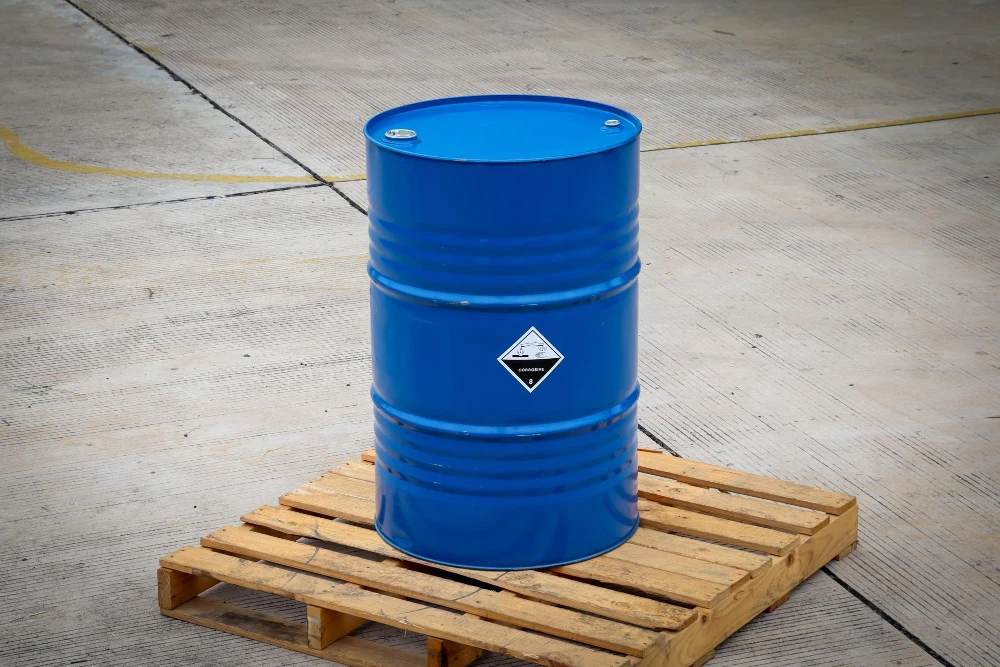
- The “indirect method.” Beans are soaked in hot water, then removed. Caffeine is removed from the water using the solvent method above. But at this moment, there are no beans in the water. The same beans are then placed back into this water, which now has almost no caffeine, and soaked again. Then the beans are removed again, and caffeine is removed from the water again, and so on for 10-12 times. The point is that in the final soaking, a balance of caffeine in the beans and in the water is established at a minimum level, while no other substances are lost. This is precisely why the beans aren’t soaked in clean water each time, as it would remove not only caffeine but all substances from them after 10 sessions. This is a more progressive but also longer and consequently more expensive method.
- “Swiss Water,” also known as the “Swiss method” or simply the “water method.” This is a variation of the indirect method described above, except that caffeine is removed from the water (in which the same beans are soaked several times in a cycle) not with a solvent but using a carbon filter. The same water is used, called “Green Coffee Extract” (GCE). This method is even more expensive and therefore even less common than the previous one.

- “Mountain Water.” A complete analog of Swiss Water, but the water used is not just any water, but glacial water. A purely marketing gimmick. I haven’t come across it.
- Using supercritical (liquefied) carbon dioxide (CO2) under pressure up to 300 atm for decaffeinated coffee production. In this form, the gas acts as a solvent; the method is “direct” in its logic. It’s considered the most expensive due to the complexity of the equipment used and is employed by global producers of “store-bought” decaf.

Composition of Decaffeinated Coffee: What Remains After Caffeine Removal
Many think that decaf is simply regular coffee minus caffeine. However, the decaffeination process also affects other components of the beverage.
Comparison of Nutritional Value of Regular Coffee and Decaf
| Component | Regular Coffee (per 8 oz) | Decaf (per 8 oz) | Change, % |
| Caffeine | 80-120 mg | 2-5 mg | -95-97% |
| Antioxidants | High content | Reduced by 15-25% | -15-25% |
| Chlorogenic acids | 140-200 mg | 120-170 mg | -15% |
| Potassium | 116 mg | 102 mg | -12% |
| Magnesium | 8 mg | 7 mg | -12% |
| Niacin (B3) | 0.5 mg | 0.4 mg | -20% |
Caffeine Content in Different Types of Decaf
Depending on the decaffeination method and the original coffee variety, the finished product contains varying amounts of caffeine:
- Decaf produced by the Swiss Water method: 0.1-0.3 mg of caffeine per 1 g of coffee (99.9% removal)
- Decaf by CO₂ method: 0.1-0.5 mg of caffeine per 1 g of coffee (99.5% removal)
- Decaf by ethyl acetate method: 0.3-0.5 mg of caffeine per 1 g of coffee (99% removal)
- Decaf by dichloromethane method: 0.3-0.6 mg of caffeine per 1 g of coffee (98.5% removal)
For comparison: regular coffee contains approximately 10-13 mg of caffeine per 1 g of coffee.
Important: According to FDA requirements, coffee can be called “decaffeinated” if at least 97% of the caffeine has been removed. However, it’s impossible to remove caffeine completely, so even high-quality decaf contains minimal doses of this substance.
Benefits and Drawbacks of Decaffeinated Coffee
Benefits. The benefits of regular coffee aren’t considered 100% proven, for that matter. But it’s believed that decaffeinated coffee has roughly the same benefits. Rather, the benefit is understood as the absence of caffeine’s effects on the nervous, cardiac, and vascular systems.
I translate this into plain language as follows: decaffeinated coffee is worth drinking only for those who:
- Have medical contraindications to regular coffee.
- Have a strong desire to drink coffee before bed, which results in insomnia problems.
- Suddenly became pregnant or are even breastfeeding.
Whether pregnant women can drink decaffeinated coffee, as well as during breastfeeding, is quite a debatable issue. From what I know, 1-2 servings of Swiss Water decaf before lunch is definitely allowed. But I’ve had no personal experience, sorry.
The situation with drawbacks is the same. If there are harms from other substances contained in green coffee, they are preserved even when consuming decaffeinated coffee. Plus, in the case of production by the direct traditional method, the influence of chemical solvents can theoretically be added. But on the other hand, they are also used in the creation of instant coffee, regular, with caffeine. And somehow, no one worries specifically about this fact.
Personally, I believe that decaffeinated coffee has no particular benefits or harms if we consider its influence separately from the benefits and harms of the presence/absence of caffeine as such.
Benefits and Drawbacks of Decaffeinated Coffee: Scientific Perspective
When it comes to the benefits and drawbacks of decaf, it’s important to rely on scientific research rather than marketing claims. Let’s consider the main aspects of how decaffeinated coffee affects health.
Proven Benefits of Decaf
Antioxidant Effect Research published in the Journal of Agricultural and Food Chemistry confirms that decaf retains up to 85% of the antioxidants found in regular coffee. These compounds help protect cells from damage and may reduce the risk of developing chronic diseases.
Liver Protection According to a study by the National Institutes of Health, regular consumption of decaf is associated with reduced liver enzyme levels, indicating a protective effect on this organ. Decaf, like regular coffee, contains compounds that may help prevent fat accumulation in the liver.
Reduced Risk of Type 2 Diabetes A meta-analysis published in Diabetes Care showed that people who regularly drink decaf have a 7% lower risk of developing type 2 diabetes. Chlorogenic acids, which are preserved in decaf, may improve insulin sensitivity.
Lower Risk of Cardiovascular Disease Research conducted by the American Heart Association found a link between moderate decaf consumption and a 5-7% reduction in the risk of heart failure.
Potential Drawbacks of Decaf
Gastrointestinal Problems Some people sensitive to acids present in coffee may experience stomach irritation even from decaf. Although it doesn’t contain caffeine, other compounds can cause increased production of stomach acid.
Exposure to Chemical Solvents When using the method with dichloromethane or ethyl acetate, concerns arise about residual amounts of these substances. Although the FDA has established permissible limits at 10 parts per million, and the actual content is usually no more than 0.1 parts per million, some experts recommend avoiding these methods.
Increased Cholesterol Levels Studies show that cafestol and kahweol — compounds present in both regular coffee and decaf — can increase LDL cholesterol levels when consuming unfiltered coffee (for example, in a French press or Turkish coffee pot).
Medical Indications for Decaf Consumption
Hypertension The American Heart Association recommends that people with high blood pressure limit caffeine consumption. Decaf becomes a good alternative, allowing you to enjoy the taste of coffee without the risk of raising blood pressure.
Anxiety Disorders Psychiatrists often recommend patients with anxiety switch to decaf, as caffeine can exacerbate symptoms of anxiety, insomnia, and heart palpitations.
Gastroesophageal Reflux Disease (GERD) Although acidity in decaf remains, the absence of caffeine may reduce GERD symptoms, as caffeine contributes to the relaxation of the lower esophageal sphincter.
Pregnancy and Breastfeeding The American College of Obstetricians and Gynecologists recommends limiting caffeine consumption during pregnancy to 200 mg per day. Decaf allows expectant mothers to enjoy coffee with minimal risk.
Comparison with Coffee Alternatives
| Beverage | Caffeine | Antioxidants | Flavor Profile | Health Benefits |
| Decaf | 2-5 mg | High content | Close to regular coffee | Antioxidants, liver protection |
| Chicory | 0 mg | Medium content | Bitter, nutty | Prebiotic (inulin), digestive aid |
| Barley coffee | 0 mg | Low content | Cereal, slightly sweet | B vitamins, minerals |
| Rooibos | 0 mg | High content | Sweet, nutty | Minerals, antioxidants |
| Dandelion | 0 mg | Medium content | Herbal, bitter | Detoxification, liver support |
Unlike most coffee alternatives, decaf retains the characteristic taste and aroma of real coffee, making it a preferred choice for those who want to reduce caffeine consumption but aren’t ready to completely give up their favorite beverage.
Taste Differences in Decaffeinated Coffee
No matter what anyone says or advertises, I haven’t yet encountered a decaffeinated coffee brand that wasn’t different from, or I would even say, inferior to regular bean coffee. They are all worse to some degree. No solvent or filter has yet been invented that would bind/retain/extract only caffeine from the beans and nothing else. Inevitably, other components are removed from the coffee, the body of the beverage becomes weaker, the taste flatter, and the bouquet simpler.
And the worse/older the bean initially is, the more critical the changes. If the variety before the decaffeination process had a not very pronounced taste, then after it becomes quite bland. It’s understandable that manufacturers generally use arabica (most decaf is arabica) varieties with low caffeine content so that the process goes faster and cheaper. And low caffeine content often correlates with a tendency toward acidity. Obviously, the cheaper the decaf in the store, the more shameful the original bean was. The process itself costs substantial expenses, so good quality decaffeinated coffee must be more expensive than the equivalent with caffeine.
In the end, after caffeine removal, the taste not only becomes poorer, but it also starts to additionally lean toward acidity, and with wine notes, bright tones, if they were initially present, are muted, and the bouquet becomes flat. In the aftertaste, an astringent herbal taste or notes of underbaked pastry often appear. Which I personally don’t like. Another thing is that if you bought a fairly expensive decaf that is also freshly roasted (and freshly roasted coffee always has a brighter and more intense flavor), these nuances can pass for a feature of the blend.
Popular Decaffeinated Coffee Brands: Comparative Analysis
The American market offers many decaffeinated coffee brands that differ in production methods, bean quality, and taste characteristics. To make your choice easier, here’s a comparative analysis of the most popular brands.
Comparative Table of Major Decaf Brands in the USA
| Brand | Decaffeination Method | Price Category | Taste Characteristics | Available Forms | Quality Rating (1-10) |
| Peet’s Decaf | Swiss Water | Medium-premium | Rich, chocolatey, with fruity notes | Whole bean, ground | 8.5 |
| Starbucks Decaf | Swiss Water / CO₂ | Medium-premium | Rich, caramel, slight bitterness | Whole bean, ground, capsules | 8.0 |
| Kicking Horse Decaf | Swiss Water | Premium | Rich, nutty, with chocolate notes | Whole bean | 9.0 |
| Equal Exchange Decaf | Swiss Water | Medium | Medium richness, fruity, low acidity | Whole bean, ground | 7.5 |
| Illy Decaf | CO₂ | Premium | Smooth, floral, low acidity | Whole bean, ground, capsules | 8.7 |
| Lavazza Decaf | CO₂ | Medium | Balanced, nutty | Whole bean, ground, capsules | 7.0 |
| Dunkin’ Decaf | Ethyl acetate | Economy-medium | Smooth, light, not strongly pronounced | Ground, K-Cups | 6.5 |
| Nescafe Decaf Taster’s Choice | Dichloromethane | Economy | Medium, with slight acidity | Instant | 5.0 |
| Eight O’Clock Decaf | Ethyl acetate | Economy-medium | Medium, balanced | Whole bean, ground | 6.8 |
| Caribou Coffee Decaf | Swiss Water | Medium | Balanced, fruity | Whole bean, K-Cups | 7.5 |
Premium Decaf Producers
Kicking Horse Coffee This Canadian brand specializes in organic coffee with Fair Trade certification. Their “Swiss Water Decaf” is one of the highest-rated on the market. The Swiss Water processing method preserves the rich flavor profile of the beans with minimal losses.
Counter Culture Decaf This producer is known for its direct trade relationships with farmers and commitment to sustainable development. It offers decaf of seasonal varieties processed by the Swiss Water method, often with the specific region of origin indicated, which is rare for decaf.
Blue Bottle Coffee Decaf This craft brand offers exclusively freshly roasted decaf, shipping it to consumers within 48 hours after roasting. The Swiss Water method is used, providing a clean, complex taste.
Mid-Price Segment Brands
Trade Coffee Decaf An online marketplace that collaborates with many roasters across the country. It offers a decaf subscription that is customized to the client’s taste preferences.
Seattle’s Best Decaf Owned by Starbucks but offers more affordable decaf options. Usually uses the supercritical CO₂ method, which gives a clean taste without chemical impurities.
Peet’s Coffee Decaf Known for its dark roast, which allows decaf to maintain a rich taste despite the caffeine removal process. Most decaf varieties are processed by the water method.
Affordable Brands for Everyday Consumption
Folgers Decaf A popular mass-market brand predominantly using the ethyl acetate decaffeination method. It offers a stable, though not outstanding, taste at an affordable price.
Maxwell House Decaf One of the oldest coffee brands in the United States, offering decaf in various formats, including instant. Usually uses the dichloromethane method, which is reflected in the lower price.
Great Value Decaf (Walmart) Walmart’s private brand offers decaf at the most affordable prices. Despite using cheaper decaffeination methods (usually ethyl acetate or dichloromethane), it provides acceptable quality for everyday consumption.
Specialized Decafs
Bulletproof The Mentalist Decaf Positioned as a “clean” decaf without mycotoxins, processed by the Swiss Water method. Targeted at a health-conscious audience.
Grounds for Health Decaf A brand that donates part of its profits to cervical cancer screening programs in coffee-producing countries. Offers decaf processed by the Mountain Water Process.
Death Wish Coffee Decaf Positioned as “the world’s strongest decaf.” Despite caffeine removal, it maintains a rich taste thanks to specially selected robusta and arabica varieties with high antioxidant content.
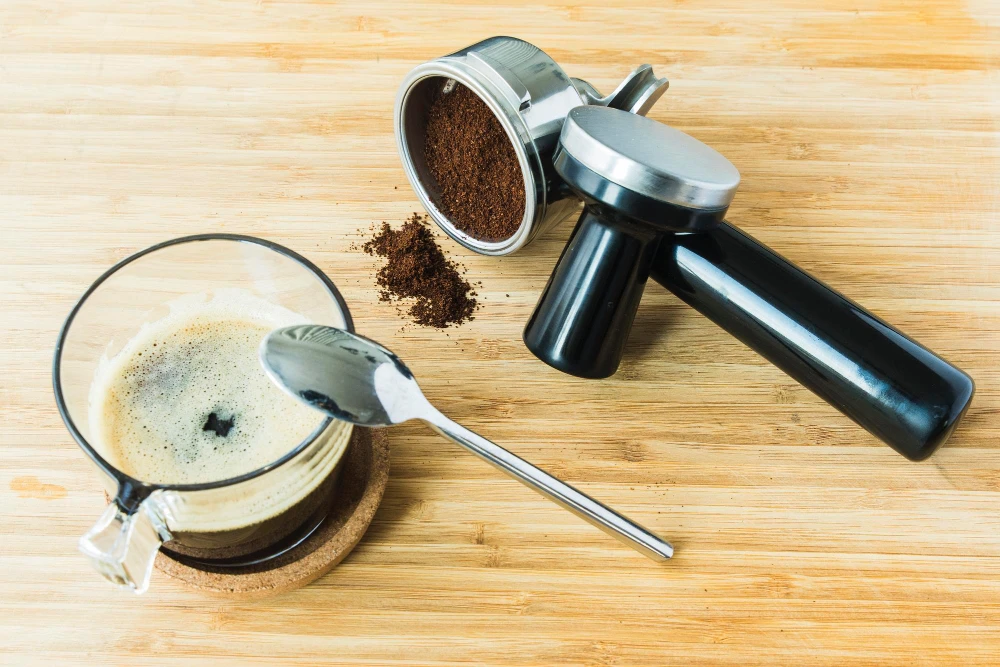
Peculiarities of Preparing Decaffeinated Coffee
Although decaf is similar in composition to regular coffee, it has some unique characteristics that affect the brewing process (pour over works well with decaf). The right technique will allow you to maximize the flavor and aroma.
Basic Principles of Brewing Decaf
- Water temperature: 194-201°F (90-94°C) (not boiling!) — too high a temperature will emphasize the unpleasant acidity of decaf.
- Grind: Slightly finer than for regular coffee of the same brewing method — decaf often requires a longer extraction for full flavor development.
- Coffee-to-water ratio: 1:15 instead of the standard 1:16-1:17 — a higher concentration helps compensate for the lower intensity of decaf.
- Extraction time: Increase by 10-15% compared to regular coffee — this will allow more flavor and aromatic compounds to be extracted.
- Bean freshness: Critically important — decaf loses flavor faster than regular coffee, so try to use beans within 2-3 weeks after roasting.
Peculiarities of Brewing Decaf by Different Methods
Espresso with Decaf
Decaf requires a special approach when preparing espresso:
- Grind: One step finer than for regular espresso
- Temperature: 190-194°F (88-90°C) (slightly lower than standard)
- Dose: 19-20 g for a double espresso (instead of the standard 18 g)
- Extraction time: 28-32 seconds (slightly longer than the standard 25-30)
- Tamper pressure: Slightly stronger than usual to increase resistance
These adjustments help compensate for the lower oil content and drier texture of decaffeinated beans.
French Press and Decaf
The immersion method works well for decaf:
- Grind: Medium-coarse, as for regular French press
- Temperature: 199-201°F (93-94°C)
- Ratio: 1:14 (slightly stronger than standard)
- Steeping time: 5-6 minutes (instead of 4 minutes for regular)
- Technique: Be sure to stir 1 minute after pouring
Important: don’t press the plunger too hard to avoid excessive bitterness.
Pourover (V60, Chemex) with Decaf
Filter methods require precise calibration:
- Grind: Medium, slightly finer than for regular coffee
- Temperature: 194-198°F (90-92°C)
- Ratio: 1:15
- Brewing time: 3:30-4:00 minutes
- Technique:
- Pre-wetting: 40-45 seconds (longer than for regular)
- Slow down the water flow for longer extraction
- Use a spiral motion when pouring water
AeroPress and Decaf
The AeroPress is particularly well-suited for decaf due to its flexibility in settings:
- Method: Inverted (reverse) method gives better results with decaf
- Grind: Slightly finer than medium
- Temperature: 185-190°F (85-88°C) (lower than for regular coffee)
- Steeping time: 2:00-2:30 minutes
- Ratio: 18 g coffee to 8 oz (240 ml) water
Drip Coffee Makers and Decaf
Automatic drip coffee makers require simple adjustments:
- Grind: Medium
- Amount: 10% more than for regular coffee
- Filter: Preferably high-quality paper filters
- Water: Use filtered water if possible
Recipes for Beverages Using Decaf
Decaf Latte for Evening Relaxation
Ingredients:
- 18 g finely ground decaf
- 6.8 oz (200 ml) milk (3.5% fat)
- 1 teaspoon (5 ml) vanilla syrup (optional)
Preparation:
- Prepare a double espresso from decaf (about 1.4-1.5 oz or 40-45 ml)
- Heat milk to 149°F (65°C) and froth until microfoam forms
- Pour milk into espresso, creating latte art
- Add vanilla syrup if desired
Decaf Cold Brew for a Hot Day
Ingredients:
- 2.8 oz (80 g) coarsely ground decaf
- 34 oz (1 liter) filtered water
- Ice cubes
- Orange zest or cinnamon stick (optional)
Preparation:
- Mix ground decaf with water in a container
- Add orange zest or cinnamon if desired
- Steep for 16-18 hours at room temperature or in the refrigerator
- Filter through a paper filter
- Serve over ice
Decaf Mocha Without Insomnia
Ingredients:
- 18 g medium-ground decaf
- 1 oz (30 g) dark chocolate (70% cocoa)
- 5 oz (150 ml) milk
- Pinch of salt
- Whipped cream for garnish
Preparation:
- Prepare decaf in a French press (about 4 oz or 120 ml)
- Melt chocolate with a small amount of milk in a double boiler
- Add a pinch of salt to the chocolate mixture
- Froth the remaining milk until foam forms
- Mix coffee with the chocolate mixture
- Add frothed milk and garnish with whipped cream
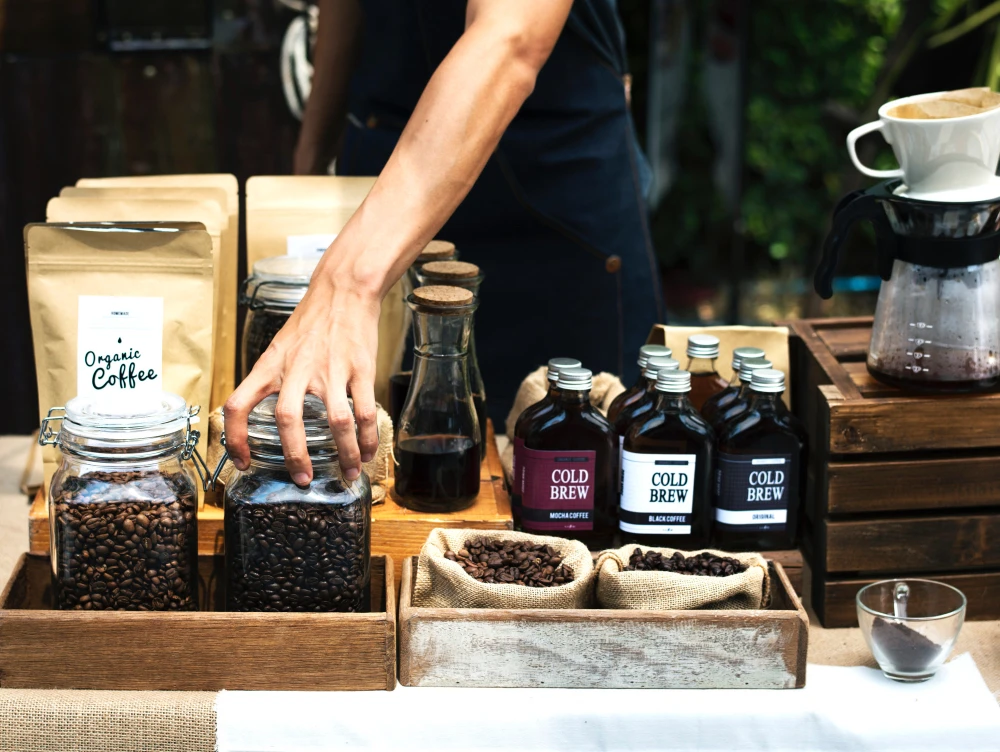
Where to Buy Decaffeinated Coffee (Fresh + Store Brands)
Once again, we’re not talking about instant coffee. And in general, if you’re going to drink decaf, it should be freshly roasted. This is a case where many owners of automatic coffee machines might want to consider ground coffee, if of course, you don’t have a separate coffee grinder. Not because ground coffee doesn’t lose to whole beans, of course it does. But because usually there are far fewer people with contraindications or those who like to consume coffee at night in a collective or family than regular coffee lovers, and almost all coffee machines have only one bean hopper.
You won’t be able to add decaf at any moment; you’ll have to either clean the grinder or use the ground coffee chute. The exception — machines with two hoppers and/or two grinders (Delonghi Maestosa, Siemens EQ9, Melitta Barista). Oh, and also this one — Melitta Varianza CSP, it has one grinder, but there’s another function that allows you not to mix beans.
In Conclusion, a Few Words About Capsule Decaffeinated Coffee
Decaffeinated coffee in capsules for the Tassimo system, as far as I know, has never existed. For Dolce Gusto, the “official” Espresso Decaffeinato is produced, but it’s almost impossible to buy in Russia. It’s not excluded that some third-party companies make decaffeinated capsules for Dolce Gusto, but I haven’t come across them.
The largest selection of decaffeinated capsules, understandably, is for Nespresso. There are 4 types of original ones: Arpeggio Decaffeinato, Volluto Decaffeinato, Vivalto Lungo Decaffeinato, Ristretto Decaffeinato. Plus many alternatives, for example, from Julius Meinl or Lavazza. I don’t know about the latter, but the original Nespresso decaffeinated capsules are produced using the “water” method.
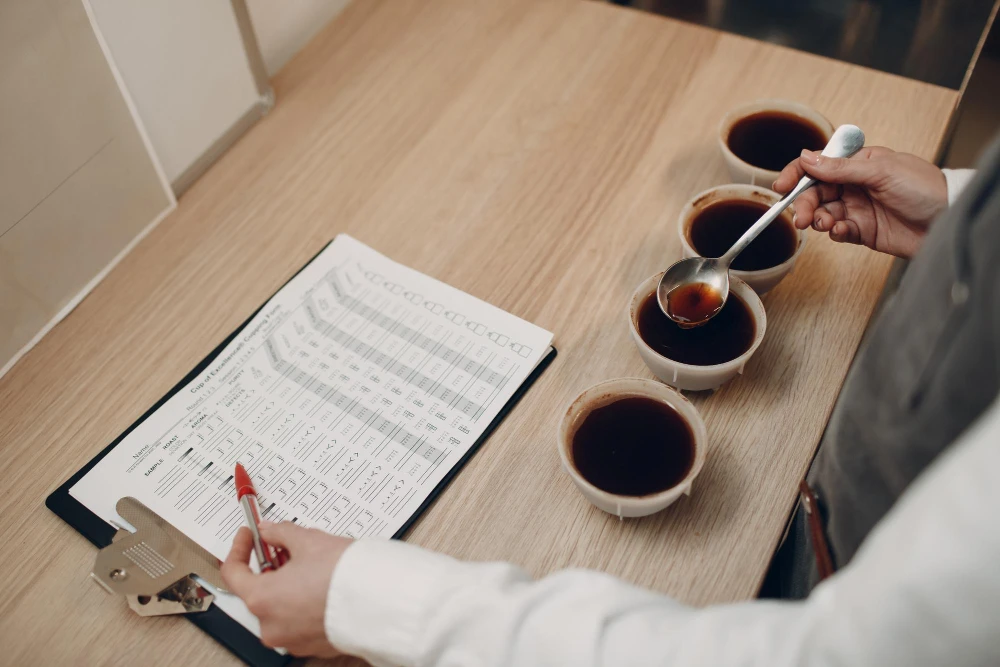
Checklist “How to Recognize Quality Decaf”
✓ Decaffeination method indicated on the package
- Indication of the method (Swiss Water, CO₂, Mountain Water Process) is a sign of manufacturer transparency
- Lack of information may indicate the use of chemical methods
✓ Roast date
- Contains a specific date (not just a general shelf life)
- No more than 1 month from the roast date for optimal taste
✓ Information about origin
- Country, region, or even specific farm indicated
- Single-origin often means a more expressive taste
✓ Package type
- Presence of a degassing valve (one-way valve)
- Completely airtight packaging to protect from oxygen
✓ Appearance of beans
- Uniform color without spots
- No foreign inclusions
- Small amount of broken beans and chaff
✓ Aroma of beans
- Pronounced, pleasant, without musty or chemical notes
- Aroma should match the claimed profile (chocolate, fruity, etc.)
✓ Price
- If the price is equal to or lower than regular coffee of the same brand — likely low quality
- Quality decaf is usually 15-30% more expensive than regular coffee
Infographic: Decaffeination Processes

System for Evaluating Decaf Taste Qualities (Scoring Method)
Rate your decaf on the following criteria from 1 to 10 points:
Aroma of dry beans (1-10)
- 1-3: Weak, unexpressive, with foreign smells
- 4-6: Distinguishable, but not bright
- 7-10: Rich, multifaceted, typical for the variety
Aroma of brewed coffee (1-10)
- 1-3: Flat, chemical, or absent
- 4-6: Pleasant but uninteresting
- 7-10: Rich, complex, with distinguishable notes
Taste (1-10)
- 1-3: Watery, tasteless, or unpleasant
- 4-6: Simple but pleasant
- 7-10: Deep, multi-layered, with distinguishable flavor notes
Body/texture (1-10)
- 1-3: Watery, empty
- 4-6: Noticeable but not outstanding
- 7-10: Full, buttery, structured
Aftertaste (1-10)
- 1-3: Short or unpleasant
- 4-6: Neutral, short-lived
- 7-10: Long, pleasant, with developing notes
Balance (1-10)
- 1-3: Disharmonious, one note dominates (often acidity)
- 4-6: Moderately balanced
- 7-10: Completely harmonious combination of all components
Overall score:
- 6-20: Low-quality decaf
- 21-40: Average everyday quality decaf
- 41-55: High-quality decaf
- 56-60: Exceptional decaf, comparable to high-quality regular coffee
Interactive Key to Identifying Problems with Decaf
Problem: Coffee has a chemical aftertaste Cause: Likely use of chemical solvents during processing Solution: Choose decaf produced by the Swiss Water or CO₂ method
Problem: Too acidic taste Cause: The decaffeination process enhanced natural acidity Solution: Choose dark roast decaf or beans from Brazil, Indonesia
Problem: Watery, weak taste Cause: Insufficient amount of coffee or too coarse grind Solution: Increase dosage by 15-20% or use a finer grind
Problem: Bitter taste Cause: Water temperature too high or excessive extraction Solution: Lower temperature to 190-194°F (88-90°C) or reduce brewing time
Problem: Strange, “cardboard” aftertaste Cause: Old beans or prolonged storage after opening the package Solution:Always check the roast date, store in an airtight container
History of Decaffeinated Coffee: From Discovery to Modern Times
Decaffeinated coffee has a history spanning more than a century, filled with interesting discoveries, technological innovations, and changing consumer perceptions. Let’s explore the key milestones in the evolution of this beverage.
Accidental Discovery and First Steps (1900-1910s)
Ludwig Roselius and the First Decaf
The history of decaf began in 1903 when German coffee merchant Ludwig Roselius received a shipment of coffee that had been accidentally soaked with seawater during transport. Noticing that the caffeine had been partially washed out while the flavor remained largely intact, he began experimenting with deliberately removing caffeine.
The 1906 Patent
In 1906, Roselius received a patent for his decaffeination method, which involved treating green coffee beans with benzene. This led to the first commercial brand of decaffeinated coffee — Sanka (from the French “sans caféine” — without caffeine). Although the benzene method was later deemed unsafe and prohibited, it laid the foundation for an entire industry.
Spread Throughout Europe
By the 1910s, decaf had gained popularity in Germany and began spreading across Europe. The first consumers were people with medical restrictions on caffeine consumption, as well as those who suffered from insomnia but didn’t want to give up the beloved taste of coffee.
The Era of Chemical Methods (1920s-1970s)
Sanka Comes to the USA
In 1923, the Sanka brand was acquired by General Foods and introduced to the American market. To attract consumer attention, Sanka was packaged in bright orange containers, which became the visual symbol of decaf at that time. Many restaurants even used orange coffee pots specifically for decaf to distinguish it from regular coffee.
Evolution of Chemical Methods
In the 1940s-50s, benzene was replaced with safer solvents — first trichloroethylene, then dichloromethane and ethyl acetate. These methods remained dominant throughout most of the 20th century due to their economic efficiency.
Cultural Perception
In post-war America, decaf gained a reputation as “not real” coffee, often associated with elderly people and those concerned about their health. In popular culture of the time, decaf was frequently mocked as a choice for “weaklings,” creating a stigma that partially persists today.
The Revolution of “Natural” Methods (1980s to Present)
Swiss Water Process
In 1979, the Swiss Water Decaffeinated Coffee Company introduced a commercial decaffeination method without using chemical solvents, using only water, temperature, and activated charcoal. The method was named “Swiss Water Process” and revolutionized the industry, ushering in an era of “natural” decaffeination methods.
CO₂ Method
In 1988, a decaffeination method using supercritical CO₂ was commercialized. This method, developed by the German company CR3, offered a compromise between the efficiency of chemical methods and the naturalness of the water process.
Organic Movement and Demand for “Clean” Decaf
With the growing popularity of organic products in the 1990s and 2000s, demand increased for decaf produced without chemical solvents. This led to expanded use of Swiss Water and CO₂ methods, especially among craft roasters and premium brands.
Mountain Water Process
In the early 2000s, the Mountain Water Process was developed in Mexico — a variation of the Swiss Water method using water from the glaciers of Pico de Orizaba mountain. Although technically this method is almost identical to Swiss Water, the marketing emphasis on using pure mountain water attracted the attention of environmentally conscious consumers.
Current Status and Future Trends
Growth of Specialized Decaf Industry
In the last decade, we’ve seen the emergence of specialized roasters focusing exclusively on high-quality decaf. Companies like Decadent Decaf in the UK or Savorista in the USA reject the traditional perception of decaf as a “second-rate” product, offering single-origin premium decaf varieties.
Research into New Methods
Scientists continue to explore new approaches to decaffeination. Among the promising directions are the use of supercritical methane, ultrasound, and even bioengineering to develop natural coffee varieties with low caffeine content.
Changing Cultural Perception
Today, decaf is experiencing a cultural renaissance. With growing awareness of caffeine’s effects on sleep and anxiety, more young consumers are choosing decaf not only in the evening but throughout the day. Specialty coffee shops often offer decaf alongside regular coffee, helping normalize its consumption.
Interesting Facts About Decaf
- Decaf and World War II: During World War II, Sanka was especially popular among American military personnel who needed coffee that wouldn’t affect their alertness during night watch.
- Presidential Choice: U.S. President Dwight Eisenhower was a known decaf enthusiast, which significantly boosted its popularity in the 1950s.
- Swiss Origin: Despite its name, the Swiss Water Process was not developed in Switzerland but in Canada. The name was chosen because of Switzerland’s associations with purity and quality.
- Natural Decaf: In nature, there are varieties of coffee trees with naturally low caffeine content. For example, Coffea charrieriana, discovered in Cameroon in 2008, contains no caffeine at all, although its commercial use is still limited.
- Forgotten Pioneer: Although Ludwig Roselius is usually considered the inventor of decaf, Johann Friedrich Meyer from Bremen simultaneously received a patent for a similar process. However, it was Roselius’s commercial success with the Sanka brand that secured his place in history.
Frequently Asked Questions About Decaffeinated Coffee (FAQ)
How much caffeine remains in decaf?
Decaffeinated coffee retains between 0.1% and 3% of the original caffeine content. According to FDA standards, a beverage labeled as “decaf” must have at least 97% of the caffeine removed. In practical terms, this means that one cup (8 oz or 240 ml) of decaf contains about 2 to 5 mg of caffeine, while regular coffee typically contains 80-120 mg.
Is it safe to drink decaf during pregnancy?
Most medical experts consider moderate consumption of decaf safe during pregnancy. The American College of Obstetricians and Gynecologists (ACOG) recommends limiting caffeine intake to 200 mg per day during pregnancy. Since decaf contains minimal amounts of caffeine, it can be consumed in reasonable quantities. Nevertheless, it’s best to consult with your doctor for individual recommendations.
Which decaf production method is safest?
The Swiss Water Process is considered the safest since it doesn’t use chemical solvents. This method is entirely based on using water and activated charcoal to remove caffeine. The CO₂ method is also considered relatively safe, as carbon dioxide is a natural compound and doesn’t leave harmful residues in the coffee.
How to choose good decaffeinated coffee?
When selecting quality decaf, pay attention to:
Decaffeination method (Swiss Water or CO₂ are preferable)
Roast date (the fresher, the better)
Bean origin (single-origin often has a more distinctive flavor)
Manufacturer transparency (good brands indicate the decaffeination method)
Cost (quality decaf is usually more expensive than regular coffee of the same variety due to additional processing costs)
Does decaf lose its flavor qualities?
Yes, the caffeine removal process inevitably affects the flavor profile. Decaf usually has a less rich taste and less bitterness compared to regular coffee. However, high-quality decaf produced using gentle methods can retain up to 90% of the original bean’s flavor characteristics. To improve flavor, it’s recommended to choose freshly roasted decaf and experiment with brewing methods.
Does decaf help reduce acidity?
Not always. Some decaffeination methods can actually increase the acidity of the finished beverage. If you’re looking for low-acidity coffee, look for dark roast decaf or special varieties labeled as “low acid.” It’s also worth noting that the brewing method affects acidity more significantly than the presence or absence of caffeine.
Related Articles

How to Brew Better Coffee: Essential Factors That Make or Break Your Cup
Essential Tips for Making Great Coffee Countless factors can directly or indirectly impact the taste of your finished brew, regardless…
Read moreDetails
Arabica vs. Robusta: The Complete Guide to Coffee’s Two Main Varieties
Coffee lovers around the world have strong opinions about their preferred brew, but many don’t realize that their taste preferences…
Read moreDetails