 Home
Home Recipes
 Beans
Beans Gear
Gear Roasting
 Brewing
 FAQ
FAQ
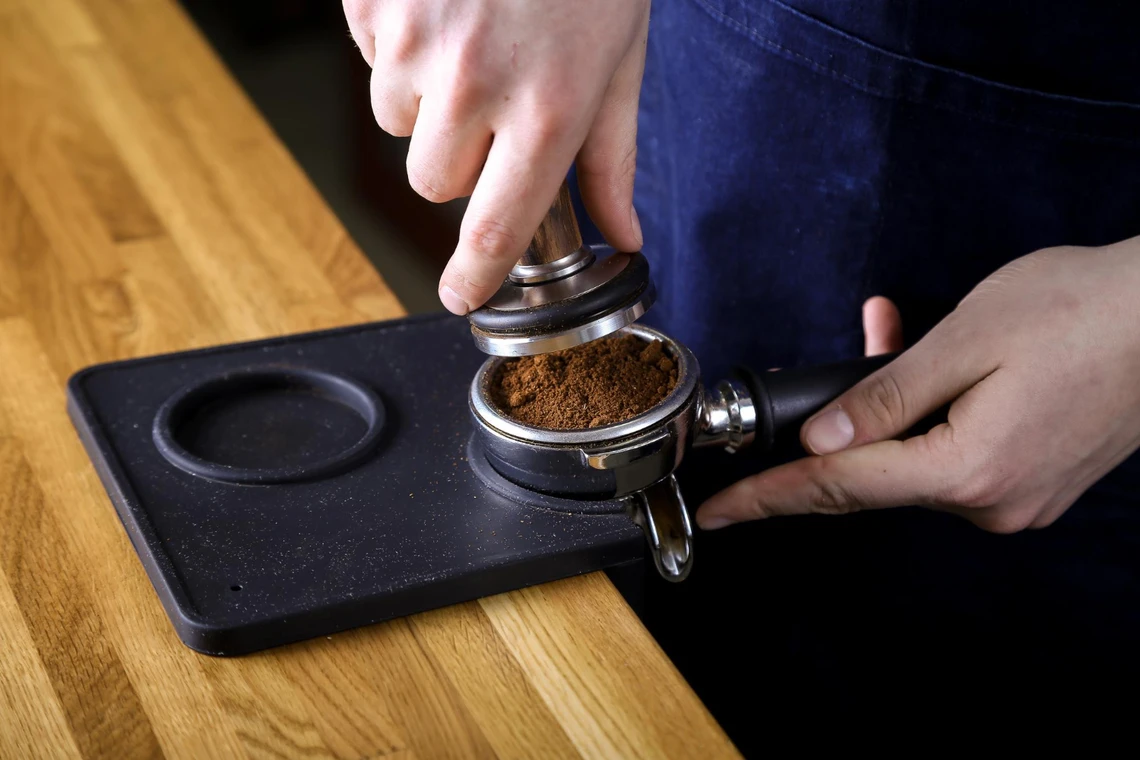
Essential Tips for Making Great Coffee
Countless factors can directly or indirectly impact the taste of your finished brew, regardless of your brewing method or coffee variety. Understanding and accounting for these variables is crucial to consistently making excellent coffee.
Coffee Freshness
PRO TIP:
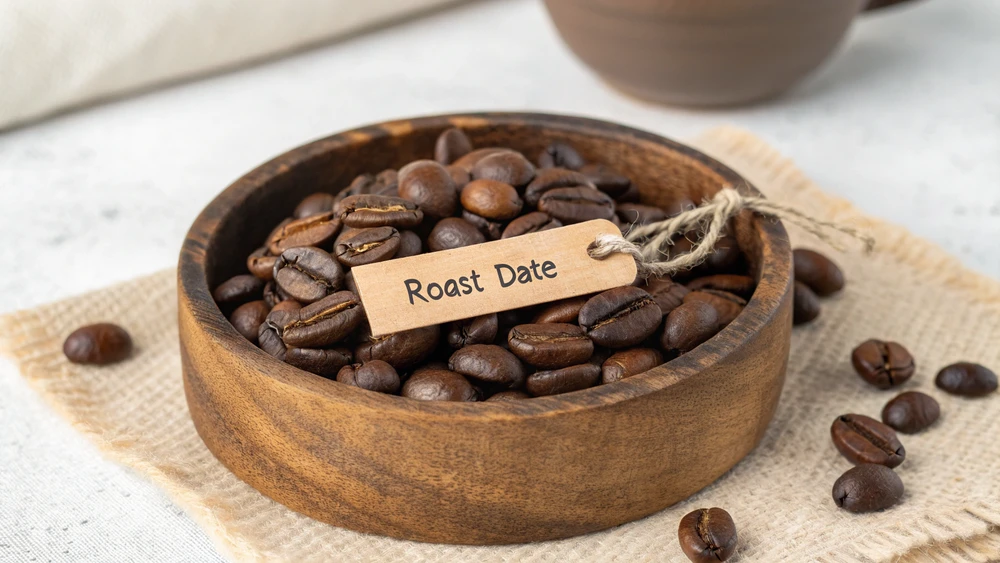
Always use the freshest coffee possible, ideally with a roast date no older than 30 days.
Coffee is an incredibly freshness-sensitive beverage. During roasting, beans undergo significant chemical changes. An internal reaction between sucrose and proteins creates new, critically important compounds that define flavor and aroma. The coffee’s flavor profile continues developing even after roasting, but it’s essential to remember that quality begins declining after about a month. With each passing day, the taste becomes flatter, duller, and less distinctive, sometimes developing harsh bitterness. The aroma loses the unique characteristics that hint at the coffee’s origin—the specific country and region where it was grown become nearly impossible to detect.
Water Quality
PRO TIP:
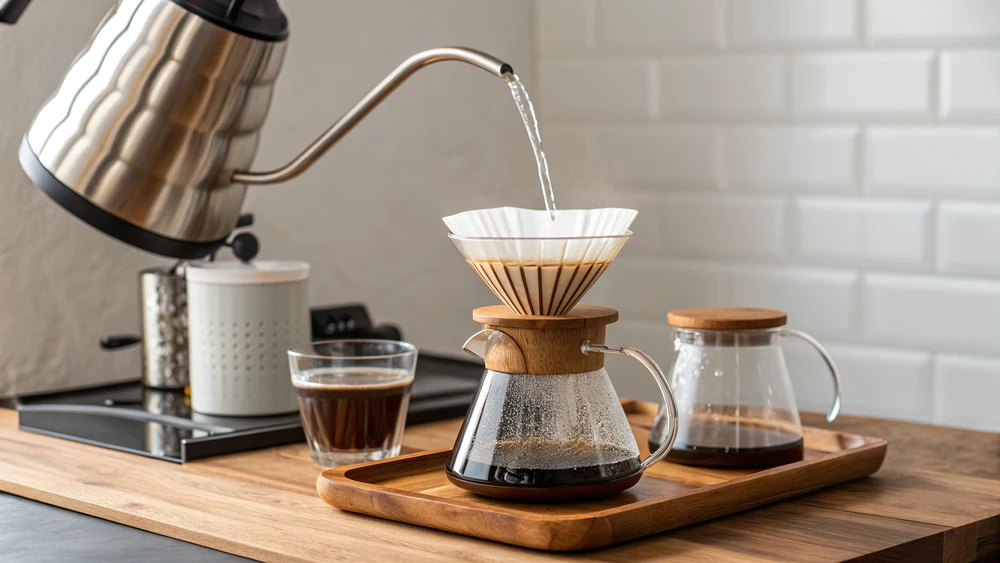
Not everyone can install a professional filtration system, so finding the right bottled water is a practical alternative. Look for multiple brands with the lowest possible mineral content, then brew test batches with each to find the one that works best for your coffee.
Brewed coffee is 99% water, making water quality absolutely crucial to the final cup. The ideal total dissolved solids (TDS) range is 50-100 mg/L. Lower mineral content can work, but higher levels should be avoided as they can negatively affect the flavor and clarity of your coffee. The gold standard is a professional reverse osmosis filtration system.
Storage After Opening
PRO TIP:
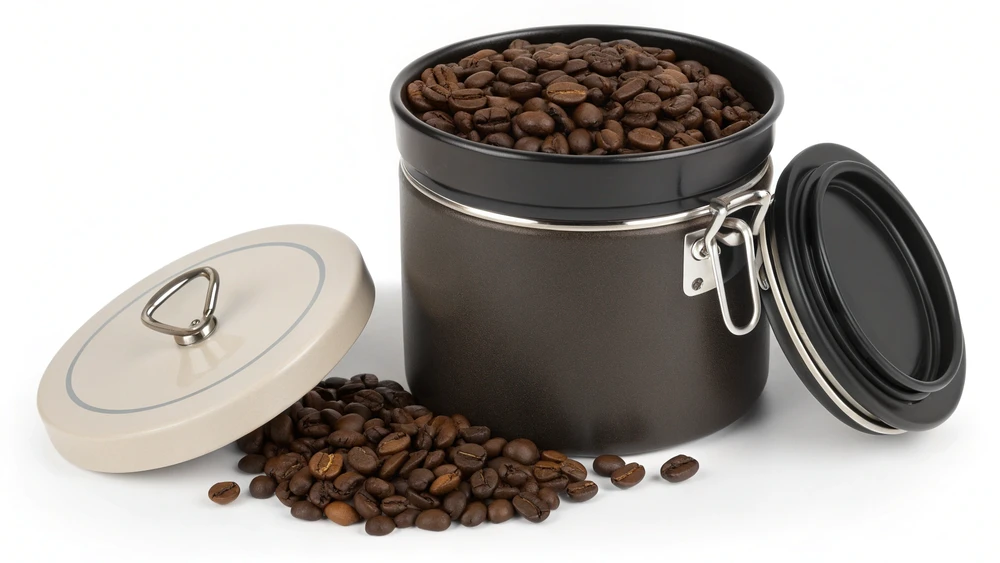
Buy coffee in quantities you can consume within one to two weeks max. If you need to preserve coffee longer, you can freeze it in an airtight container—this preserves flavor for up to six months. However, you can only defrost it once, and it must be done at room temperature over 12 hours.
Even with fresh coffee, once you open the bag, it begins losing its vibrancy quickly. Ideally, coffee should be consumed within a few days of opening—this happens naturally in busy coffee shops, but it’s challenging at home. Proper storage is essential to maintaining quality.
Time After Grinding
PRO TIP:
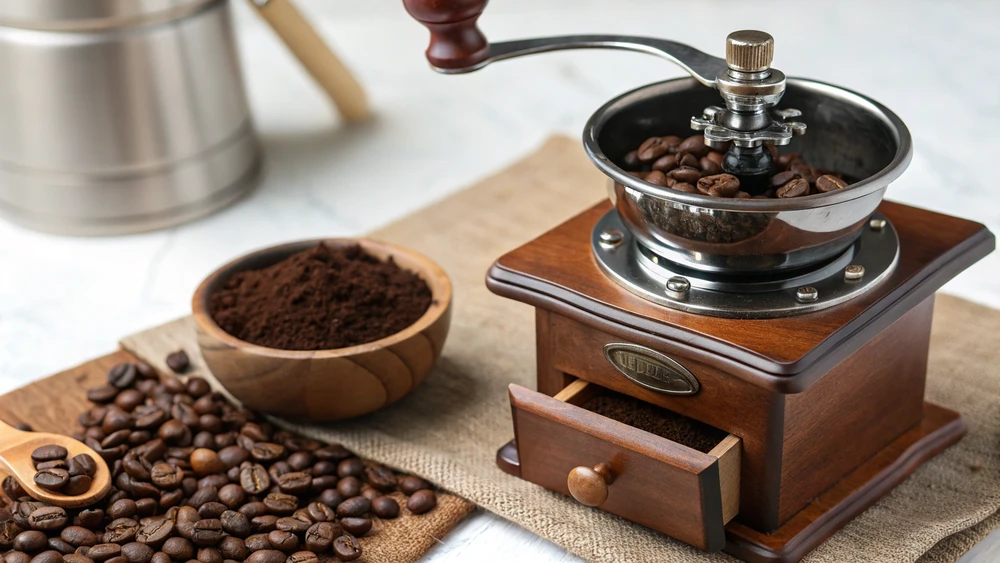
Use only whole bean coffee and grind it immediately before brewing.
Coffee is an incredibly freshness-sensitive beverage. During roasting, beans undergo significant chemical changes. An internal reaction between sucrose and proteins creates new, critically important compounds that define flavor and aroma. The coffee’s flavor profile continues developing even after roasting, but it’s essential to remember that quality begins declining after about a month. With each passing day, the taste becomes flatter, duller, and less distinctive, sometimes developing harsh bitterness. The aroma loses the unique characteristics that hint at the coffee’s origin—the specific country and region where it was grown become nearly impossible to detect.
Understanding Grind Size and Coffee Grinders
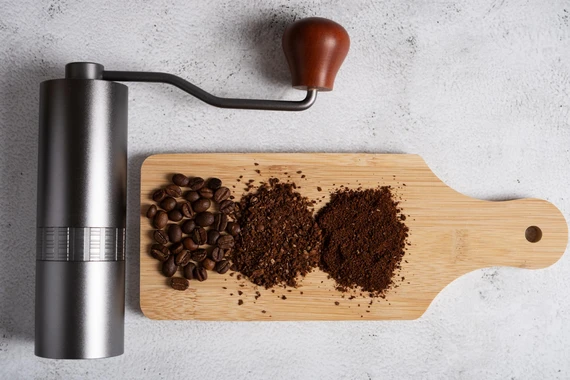
Grind size is one of the most critical variables in coffee brewing, yet it’s often overlooked by beginners. The simple rule: the longer water contacts coffee, the coarser the grind should be. French press needs coarse grounds (like sea salt), while espresso requires fine grounds (like table salt). Pour over sits somewhere in the middle with a medium grind.
Burr grinders are the gold standard for home brewing. Unlike blade grinders that chop beans inconsistently, burr grinders crush beans between two abrasive surfaces, producing uniform particle size. This consistency is crucial—uneven grounds lead to simultaneous over-extraction (bitter) and under-extraction (sour). Burr grinders come in two types: conical burrs (typically quieter, better for oily dark roasts) and flat burrs (more uniform, preferred by coffee geeks).
Blade grinders are budget-friendly but produce inconsistent results with a mix of powder and large chunks. They’re acceptable only if you’re desperate or brewing Turkish coffee, where ultra-fine powder is actually desirable. For most methods, they’ll hold you back from great coffee.
Investment-wise, a decent entry-level burr grinder starts around $40-50, while enthusiast models range from $100-300. Premium options exceed $500 but offer the most precise, consistent grinds. For most home brewers, a mid-range burr grinder ($100-150) delivers excellent results for years.
Coffee-to-Water Ratios: Finding Your Perfect Brew
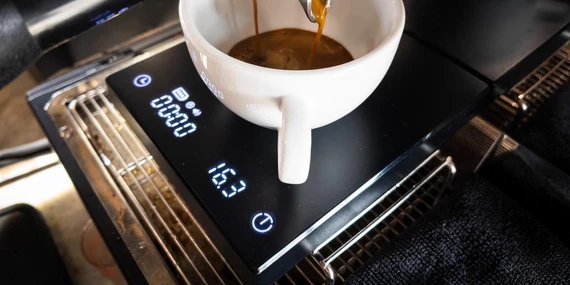
The “golden ratio” for coffee is approximately 1:15 to 1:17 (coffee to water by weight). This translates to about 2 tablespoons (10-11g) of coffee per 6 oz (180ml) of water. However, this is just a starting point—your ideal ratio depends on personal taste, bean origin, roast level, and brewing method.
Measuring by weight is crucial for consistency. A kitchen scale accurate to 1 gram makes a world of difference. Volume measurements (scoops, tablespoons) are unreliable because different beans have different densities—a scoop of light roast weighs less than dark roast.
For a standard 12 oz (350ml) cup, start with 20-22g of coffee. Too weak? Increase to 24-25g. Too strong or bitter? Drop to 18-19g. Keep notes on what works. Different brewing methods have different sweet spots: espresso uses roughly 1:2 (very concentrated), while cold brew often goes 1:8 to 1:5 (then diluted before drinking).
The key is experimenting systematically—change one variable at a time and taste the difference.
How to Choose Quality Coffee Beans
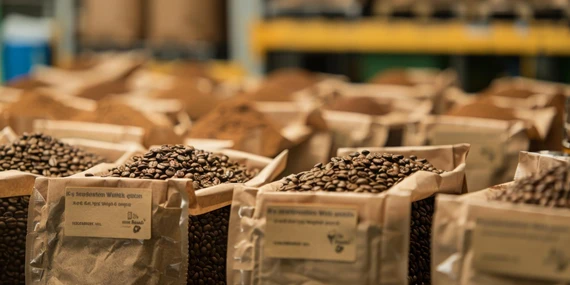
Not all coffee is created equal, and learning to identify quality beans transforms your daily brew. Specialty coffee—graded 80+ points on a 100-point scale—offers significantly better flavor than commercial supermarket brands. Look for bags that list specific information: country of origin, region, farm or cooperative name, processing method, and roast date.
Single-origin coffees showcase the unique characteristics of one location—floral Ethiopian Yirgacheffe, bright Kenyan AA, or chocolatey Colombian Supremo. These are excellent for understanding how geography affects flavor. Blendscombine beans from multiple origins, designed for balance and consistency. Neither is inherently better—it depends on your preference and brewing method.
Roast level dramatically impacts flavor. Light roasts preserve origin characteristics with bright acidity and complex fruit or floral notes—perfect for pour over. Medium roasts balance origin character with roast development, offering versatility for most brewing methods. Dark roasts emphasize bold, smoky, chocolatey flavors with lower acidity—ideal for espresso or those who prefer traditional “diner coffee” taste.
When shopping, prioritize roasted-to-order from local roasters or reputable online sources. Avoid beans without roast dates, sitting on grocery store shelves indefinitely. Check for valve-sealed bags (the one-way valve releases CO2 while preventing oxygen entry). Whole beans always beat pre-ground.
Processing method matters too: washed/wet-processed coffees taste clean and bright, natural/dry-processed offer fruity sweetness, and honey-processed fall in between. Experiment to discover your preferences.
Common Coffee Brewing Mistakes to Avoid
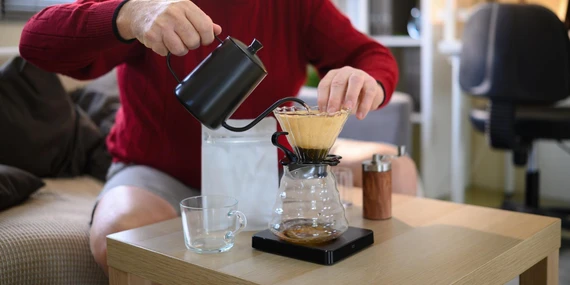
Even coffee enthusiasts make mistakes that sabotage their morning cup. Here are the most common pitfalls and how to avoid them:
- Using old, stale coffee is the number one killer of flavor. If your beans lack a roast date or are over 6 weeks old, start fresh. Coffee is agricultural produce, not shelf-stable like canned goods.
- Incorrect storage accelerates staleness. Never refrigerate coffee—it absorbs odors and moisture. Store beans in an airtight container in a cool, dark cabinet. Only freeze coffee if you’re storing it long-term (3+ months), and only thaw once.
- Ignoring water quality ruins otherwise perfect beans. If your tap water tastes off, your coffee will too. At minimum, use filtered water. Avoid distilled or softened water—some mineral content is necessary for proper extraction.
- Wrong grind size is surprisingly common. Too fine creates bitter, over-extracted coffee; too coarse makes weak, sour brew. Match your grind to your brewing method and adjust if needed.
- Dirty equipment accumulates rancid coffee oils that taint every brew. Rinse your brewing equipment daily and deep-clean weekly. This alone can dramatically improve your coffee’s taste.
- Eyeballing measurements produces inconsistent results. Invest in a simple kitchen scale and measure both coffee and water by weight. Consistency is key to improvement.
- Boiling water for delicate brewing methods burns the coffee. Optimal brewing temperature is 195-205°F (90-96°C)—just below boiling. Let boiled water rest 30 seconds before brewing pour over or French press.
Related Articles

Moka Pot: Pros and Cons
Not by coffee machines alone, so to speak. After all, they’re simply expensive. Even portafilter coffee makers aren’t as affordable…
Read moreDetails
How to Make Perfect Iced Coffee at Home
Delicious coffee with both energizing and cooling effects—what could be better during warm weather? Though iced coffee is perfect for…
Read moreDetails