 Home
Home Recipes
 Beans
Beans Gear
Gear Roasting
 Brewing
 FAQ
FAQ
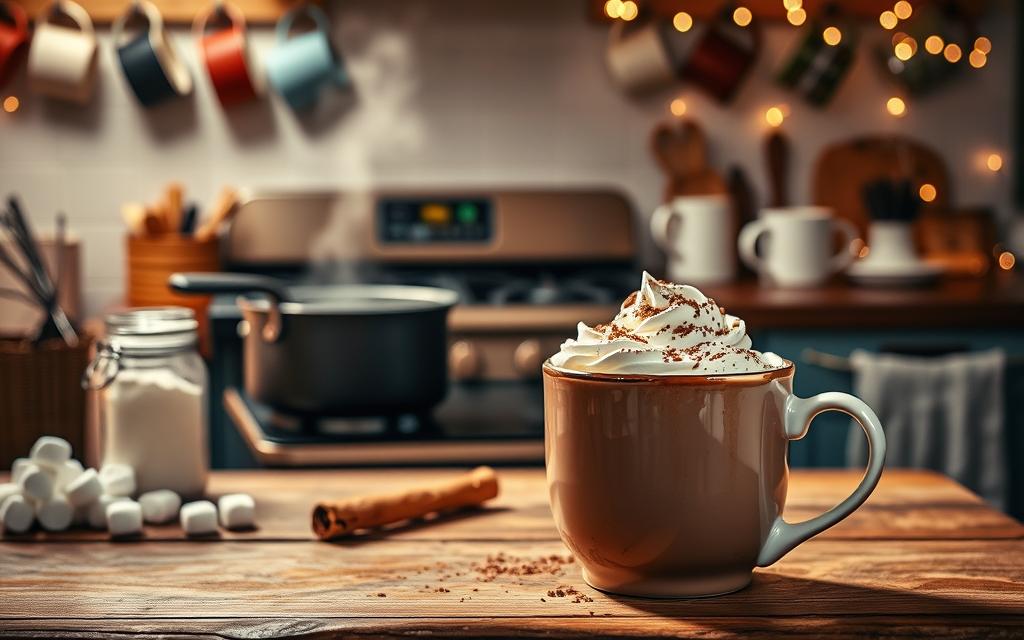
As the weather cools down, there’s nothing quite like a warm mug of hot cocoa. It makes you feel cozy and comforted. I’ve always loved this rich, velvety drink. I’m excited to share how to perfect it.
Hot chocolate has a long history across different cultures. Each culture has its own twist on the recipe. In this article, we’ll explore its origins, share a simple yet delicious recipe, and give tips on how to make it just right.
Whether you’re a seasoned hot chocolate fan or just want to try something new, this article is for you. Let’s explore the world of hot chocolate together.
Key Takeaways
- A brief history of hot chocolate and its cultural significance.
- A simple recipe for making delicious hot cocoa at home.
- Tips on customizing your hot chocolate to suit your taste.
- The benefits of choosing dark, milk, or white chocolate for your hot cocoa.
- How to elevate your hot chocolate experience with toppings and spices.
What is Hot Chocolate? (Cacao-Based Drinks Explained)
I love all things cacao and can’t wait to explore hot chocolate. It’s a drink made from cacao and enjoyed globally. Simply, it’s melted cacao mixed with milk or water and sugar.
Cacao-Based Drinks Explained
Cacao-based drinks, like hot chocolate, are loved for their rich taste and health perks. The quality of cacao is key to the hot chocolate’s flavor and texture. High-quality cacao is vital for rich hot chocolate.
Understanding Cacao
Cacao, the main ingredient, comes from cacao tree beans. The beans’ processing, from fermentation to roasting, shapes the hot chocolate’s taste. Knowing about cacao processing helps pick the best cacao for homemade hot chocolate.
Hot chocolate types vary based on processing and ingredients. Some mixes have little cacao and lots of additives. Others use high-quality cacao and fewer ingredients. The latter offers a richer, truer hot chocolate taste.
To craft amazing homemade hot chocolate, consider the cacao type, its ratio to milk or water, and any sweeteners or spices. Trying different mixes can create the perfect rich hot chocolate for your taste.
History of Hot Chocolate: From Aztecs to Modern Times
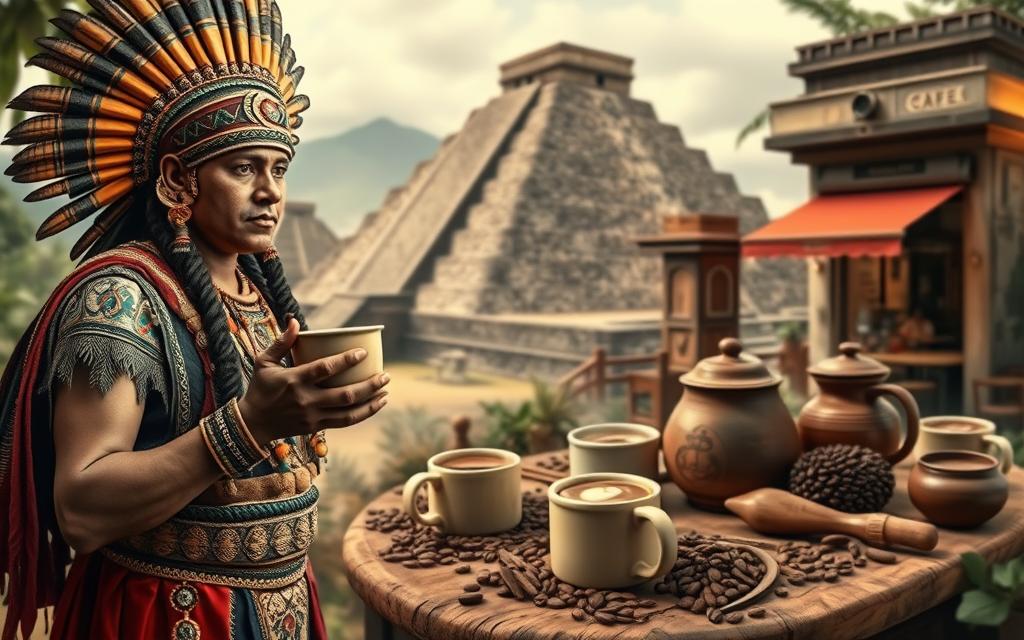
The story of hot chocolate starts with the Aztecs and their love for cacao. For ages, it’s been a favorite drink, loved for its taste and cultural value.
Aztecs and the Origins of Hot Chocolate
The Aztecs saw cacao as a gift from the gods. They used it as money and in sacred rituals. They made a bitter drink from cacao beans, adding spices and chilies. This drink was thought to have healing powers and was drunk in big ceremonies.
Making hot chocolate was hard work. They fermented, dried, and ground cacao beans into a paste. Then, they mixed it with water and other things to get the right taste and texture.
Evolution of Hot Chocolate
When Europeans found cacao, they took it home and made it sweeter and creamier. The Dutch were key in making hot chocolate popular in Europe.
Important changes in hot chocolate include:
- Adding sugar to balance the cacao’s bitterness
- Using milk for a creamier drink
- The Dutch cocoa press made it easier to make smooth hot chocolate
Now, making easy hot chocolate is easy with good chocolate and recipes. You just need milk, dark chocolate, and a sweetener.
For a special touch, try adding salt or cinnamon. Making hot chocolate is fun because you can change the flavor to your liking.
Hot Chocolate vs Hot Cocoa: What’s the Difference?
The terms ‘hot chocolate’ and ‘hot cocoa’ are often mixed up, but they’re not the same. Knowing the differences between these drinks can make you enjoy them more.
Understanding the Distinctions
Hot chocolate and hot cocoa differ mainly in ingredients and how they’re made. Hot cocoa uses cocoa powder, sugar, and milk, making a lighter drink. Hot chocolate, on the other hand, uses melted chocolate, milk, and sugar, making it richer and creamier.
When I tried different recipes, I learned that using top-notch chocolate is key. Melting chocolate to make a smooth drink is what makes hot chocolate special compared to hot cocoa.
Hot Chocolate vs Hot Cocoa: A Comparison
Let’s look at the differences between hot chocolate and hot cocoa:
| Characteristics | Hot Chocolate | Hot Cocoa |
|---|---|---|
| Main Ingredient | Melted chocolate or high-quality cocoa solids | Cocoa powder |
| Texture | Rich, creamy | Lighter, more powdery |
| Taste | Deep, complex chocolate flavor | Sweeter, more straightforward cocoa taste |
| Preparation | Melting chocolate with milk and sugar | Mixing cocoa powder with milk and sugar |
The table shows that the choice between hot chocolate and hot cocoa depends on what you like. For a creamy hot chocolate with a rich flavor, use high-quality chocolate. If you prefer a lighter, sweeter drink, hot cocoa might be better.
“The best hot chocolate recipe is one that balances richness with a touch of sweetness, creating a truly indulgent treat.”
To make the best hot chocolate recipe, use dark or semi-sweet chocolate for a deeper taste. Try different milks, like whole milk or non-dairy alternatives, to find your favorite.
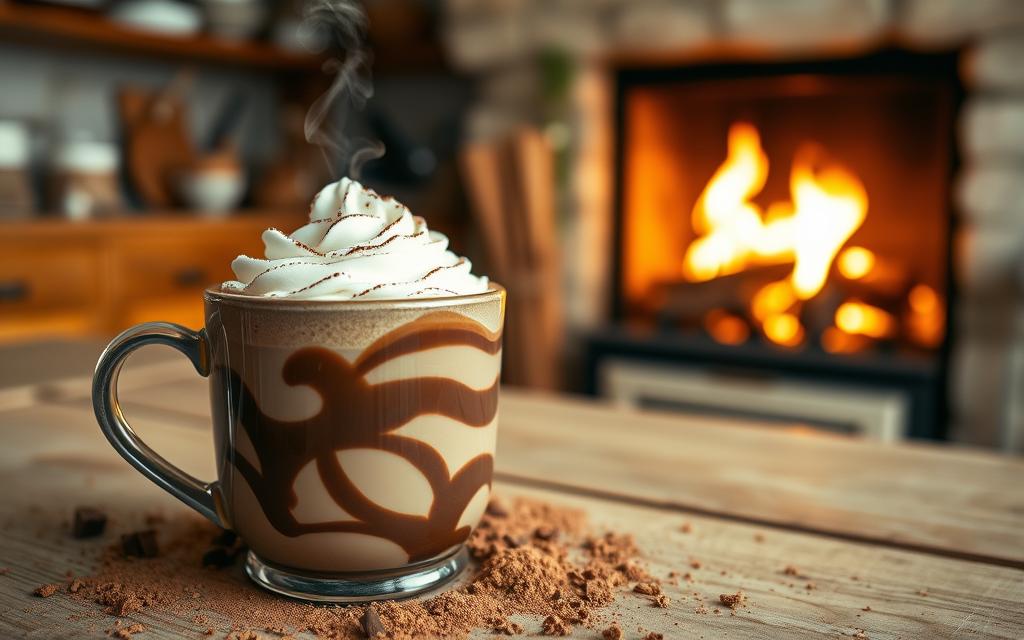
In conclusion, hot chocolate and hot cocoa each have their own appeal. Knowing their differences can make you enjoy them even more. Whether you like the creamy texture of hot chocolate or the lighter taste of hot cocoa, there’s a recipe out there for you.
How to Make Hot Chocolate: Classic Recipe
Hot chocolate is a favorite drink that’s easy to make at home. It’s great for a cold day or any time you want something sweet. This classic recipe is sure to be a hit.
Ingredients and Equipment
To make quick hot chocolate, you’ll need a few things:
- 2 cups of milk (dairy or non-dairy, such as almond milk)
- 2 tablespoons of unsweetened cocoa powder
- 2 tablespoons of sugar (or to taste)
- 1/4 teaspoon of salt
- 1/4 teaspoon of vanilla extract (optional)
- A medium saucepan
- A whisk or milk frother
| Ingredient | Quantity | Purpose |
|---|---|---|
| Milk | 2 cups | Provides creaminess and base flavor |
| Cocoa Powder | 2 tablespoons | Gives hot chocolate its rich, chocolate flavor |
| Sugar | 2 tablespoons | Adds sweetness to balance the bitterness of cocoa |
| Salt | 1/4 teaspoon | Enhances flavors and balances sweetness |
| Vanilla Extract | 1/4 teaspoon | Optional, adds a hint of vanilla flavor |
Now you’re ready to make hot chocolate. Here’s how in a few easy steps:
- In a medium saucepan, heat the milk over medium heat until it starts to simmer. Be careful not to let it boil.
- In a separate bowl, whisk together the cocoa powder, sugar, and salt until well combined.
- Gradually whisk the dry mixture into the hot milk, stirring constantly to avoid lumps.
- Bring the mixture to a simmer, whisking constantly, until the hot chocolate is smooth and hot.
- Remove from heat and stir in the vanilla extract, if using.
- Pour into your favorite mug and serve immediately.
By following these steps, you can enjoy a delicious cup of quick hot chocolate anytime.
What is Ceremonial Cacao? (Unique Properties)
Ceremonial cacao is more than just a type of cacao. It’s a blend of taste, spirituality, and wellness. As I delve into the world of hot chocolate, ceremonial cacao shines. It’s known for its special processing and top-notch beans.
This cacao comes from the finest beans, harvested and processed with care. Unlike common cacao, it’s made in small batches. This careful approach ensures its natural goodness and flavor.
Understanding Ceremonial Cacao
Ceremonial cacao boasts a deep, rich taste and health perks. It’s a key part of ancient ceremonies and rituals. Its spiritual value is unmatched.
Key characteristics of ceremonial cacao include:
- High-quality, minimally processed cacao beans
- Rich, intense flavor profile
- Potential health benefits due to high antioxidant content
- Spiritual significance in traditional ceremonies
The perks of ceremonial cacao are vast. It’s good for your health and has spiritual value. Some benefits are:
- High antioxidant content, which can contribute to overall well-being
- Mood enhancement due to the presence of certain compounds
- Spiritual growth and connection in ceremonial contexts
Using ceremonial cacao in homemade hot chocolate is special. It brings a unique flavor and health benefits. You can mix it with other natural ingredients for a tasty, beneficial drink.
“Ceremonial cacao is a gateway to a deeper connection with oneself and the world around us, offering a rich and meaningful experience.”
By understanding ceremonial cacao, you can make your homemade hot chocolate more than just a drink. It becomes a ritual that feeds both your body and soul.
Hot Chocolate: Key Takeaways
Exploring hot chocolate shows us it’s easy to make rich hot chocolate from scratch. We learned about its history and the differences between hot chocolate and hot cocoa. This helps us appreciate this beloved drink more.
Making it Perfect
To make easy hot chocolate, use top-notch ingredients and try out different recipes. Whether you like a classic recipe or ceremonial cacao, the most important thing is to enjoy it. Tailor it to your taste.
Follow these tips to make delicious hot chocolate from scratch. Take your time to enjoy the process. Share your favorite recipes and tips with others.
Enjoy Your Rich Hot Chocolate
Now you’re ready to enjoy a rich hot chocolate that will become a favorite. Happy sipping!
FAQ
What is the best type of milk to use for hot chocolate?
I like using whole milk or almond milk for hot chocolate. They make it rich and creamy.
Can I make hot chocolate without sugar?
Yes, you can. Use unsweetened cocoa powder or sweeteners like honey or stevia instead of sugar.
How do I make hot chocolate from scratch?
Start by melting high-quality chocolate in a saucepan with milk. Then, whisk in cocoa powder and sugar to taste.
What’s the difference between hot chocolate and hot cocoa?
Hot chocolate uses melted chocolate for a richer taste. Hot cocoa uses cocoa powder and can be sweeter.
Can I make hot chocolate in the microwave?
Yes, for a quick hot chocolate, heat milk in the microwave. Then, whisk in cocoa powder and sugar. But watch the milk to avoid overheating.
How can I make my hot chocolate creamier?
For creamier hot chocolate, use high-quality chocolate and whisk in heavy cream or half-and-half towards the end of heating.
Can I add flavorings to my hot chocolate?
Absolutely. Adding vanilla, cinnamon, or nutmeg can give your hot chocolate a unique flavor and make it even tastier.
Related Articles
Coffee Frappé: How to Make an Authentic Greek Drink at Home
Frappé is a cold drink based on coffee, milk, and ice with some sweet addition, necessarily whipped into a foam in…
Read moreDetails
Cold Bumble coffee: the original recipe and some bombastic modifications
Bumble coffee was invented in 2001 by Roman Gordeev, a barista at Coffeemania. Roman named the drink so because its…
Read moreDetails
Coffee Mocha, aka Mochaccino (Mochaccino): what is it, recipe, composition, differences from cappuccino, whether you need a coffee machine?
Coffee mocha, mochaccino or moccaccino and even “chocolate latte” – it’s all the same coffee-milk drink with the addition of…
Read moreDetails
The Unique Way Viennese Coffee is Served
Discover the unique way Viennese coffee is served, with zest and liqueur. Learn how to make this flavorful coffee at…
Read moreDetails
Irish Coffee Recipe: How to Make the Classic Whiskey Coffee Cocktail
Irish Coffee is a warming, sophisticated coffee cocktail made with black coffee (typically an Americano or filter coffee), Irish whiskey,…
Read moreDetailsClassic Hot Chocolate
Print RecipeIngredients
- 2 cups whole milk
- 3 tablespoons unsweetened cocoa powder (Dutch-processed preferred)
- 2 tablespoons granulated sugar (adjust to taste)
- 1 tablespoon dark chocolate chips or finely chopped dark chocolate (optional, for extra richness)
- ¼ teaspoon pure vanilla extract
- 1 pinch of salt
- Whipped cream or mini marshmallows — for topping
Instructions
Step 1 — Mix dry ingredients In a small saucepan, combine cocoa powder, sugar, and a pinch of salt. Whisk together until evenly mixed.
Step 2 — Add a splash of milk Pour 2–3 tablespoons of cold milk into the saucepan with the dry ingredients. Whisk vigorously until a smooth, lump-free paste forms. This step is key — it prevents cocoa lumps in the final drink.
Step 3 — Heat the milk Pour in the remaining milk. Place the saucepan over medium-low heat. Heat slowly, stirring frequently, until the milk is steaming hot but not boiling — approximately 5–7 minutes. Avoid boiling, as it alters the flavor and texture.
Step 4 — Add chocolate and vanilla Remove the saucepan from heat. Add dark chocolate chips (if using) and vanilla extract. Stir until the chocolate is completely melted and the mixture is smooth and glossy.
Step 5 — Serve Pour into warmed mugs. Top with whipped cream or mini marshmallows. Serve immediately.