 Home
Home Recipes
 Beans
Beans Gear
Gear Roasting
 Brewing
 FAQ
FAQ
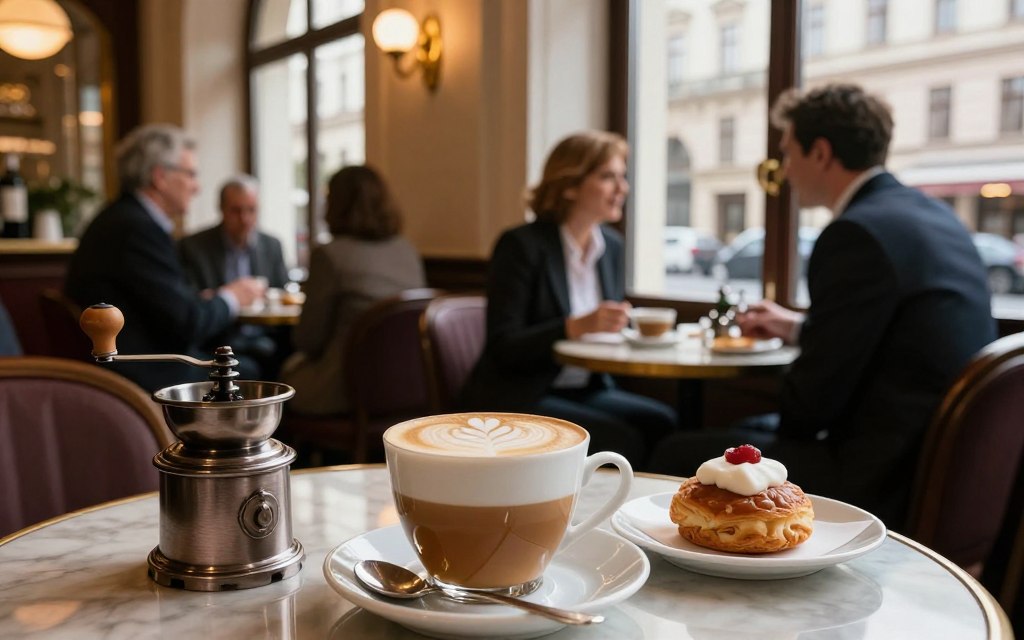
I’ve always been drawn to the Viennese coffee culture. Here, coffee is more than a drink; it’s an experience. In Vienna, coffeehouses are key to the city’s history. They’re where intellectuals and artists meet.
The traditional Viennese coffee service is both elegant and warm. Walking into a Viennese coffeehouse, you’re greeted by a cozy feel. The rooms are beautifully designed, filled with the scent of fresh coffee.
In this article, I’ll show you the special sides of Viennese coffee culture. I’ll also teach you how to make Viennese coffee at home. This way, you can bring a bit of Vienna into your kitchen.
Key Takeaways
- Understanding the cultural significance of Viennese coffeehouses
- Learning the traditional Viennese coffee service
- Discovering how to recreate Viennese coffee at home
- Exploring the history behind Viennese coffee culture
- Appreciating the art of Viennese coffee preparation
The Rich Heritage of Viennese Coffee Culture
The story of Viennese coffee is both rich and varied. It’s a blend of tradition and new ideas. This culture has deeply shaped Vienna’s identity and influenced café culture across Europe.
The Historical Significance of Coffee in Vienna
Coffee’s history in Vienna goes back to the 17th century. The city was under siege by the Turks then. The first coffeehouses opened in the late 1600s.
By the 1700s, they were hubs for intellectuals and artists. Coffeehouses became the incubators of new ideas and innovations.
How Viennese Coffee Houses Shaped European Café Culture
Viennese coffeehouses were key in shaping European café culture. They introduced the idea of enjoying coffee slowly. Customers could relax, have pastries, and talk.
This model was followed by cities like Paris and London. The focus on quality coffee, comfy seats, and a friendly vibe defined Viennese coffee culture. It offered an authentic Viennese coffee experience.
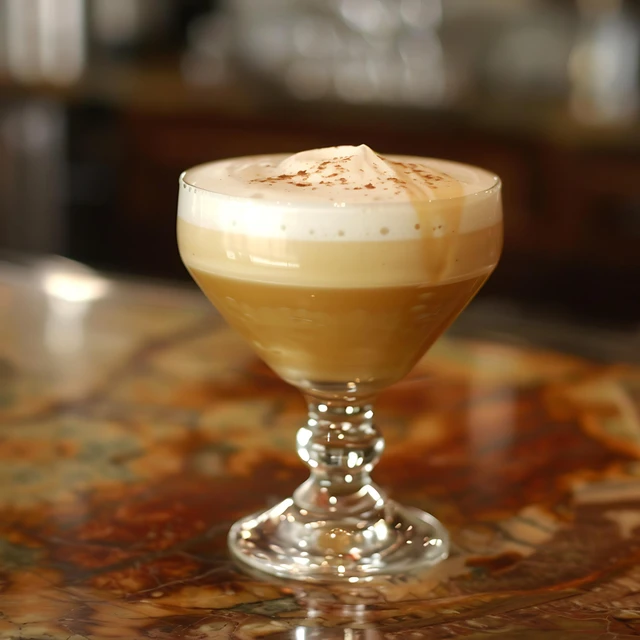
How is Viennese Coffee Served? Traditional Presentation
Viennese coffee is more than just a drink. It’s a blend of tradition, elegance, and sophistication. This reflects the city’s rich coffee culture.
The presentation of Viennese coffee is key. It’s served on a silver tray, making the experience feel luxurious.
The Silver Tray Presentation
The silver tray is a symbol of Viennese coffee service. It holds a coffee cup, a glass of water, and sometimes a small plate of sugar or a sweet treat.
This setup is not just for looks. It creates a cozy atmosphere for enjoying the coffee.
The Glass of Water Accompaniment
A glass of water is always given with Viennese coffee. It cleanses the palate between coffee sips. The glass sits on the silver tray with the coffee cup, completing the traditional setup.
The Role of Whipped Cream in Viennese Coffee Service
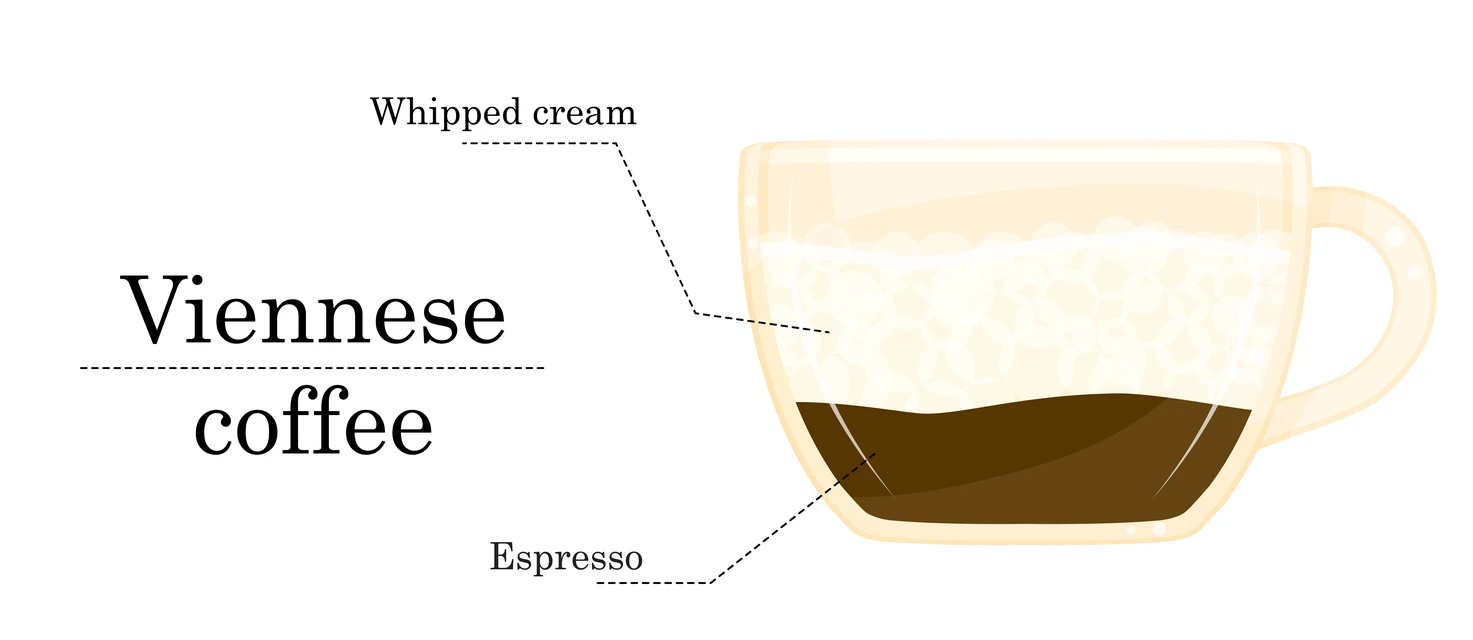
Whipped cream is a crucial part of Viennese coffee. It’s not just a topping; it’s a flavor and texture enhancer. The whipped cream is dolloped on top, contrasting the hot coffee with the cold, creamy topping.
In summary, Viennese coffee’s traditional presentation is a mix of elegance, tradition, and taste. From the silver tray to the whipped cream, each element adds to the unique coffee culture experience.
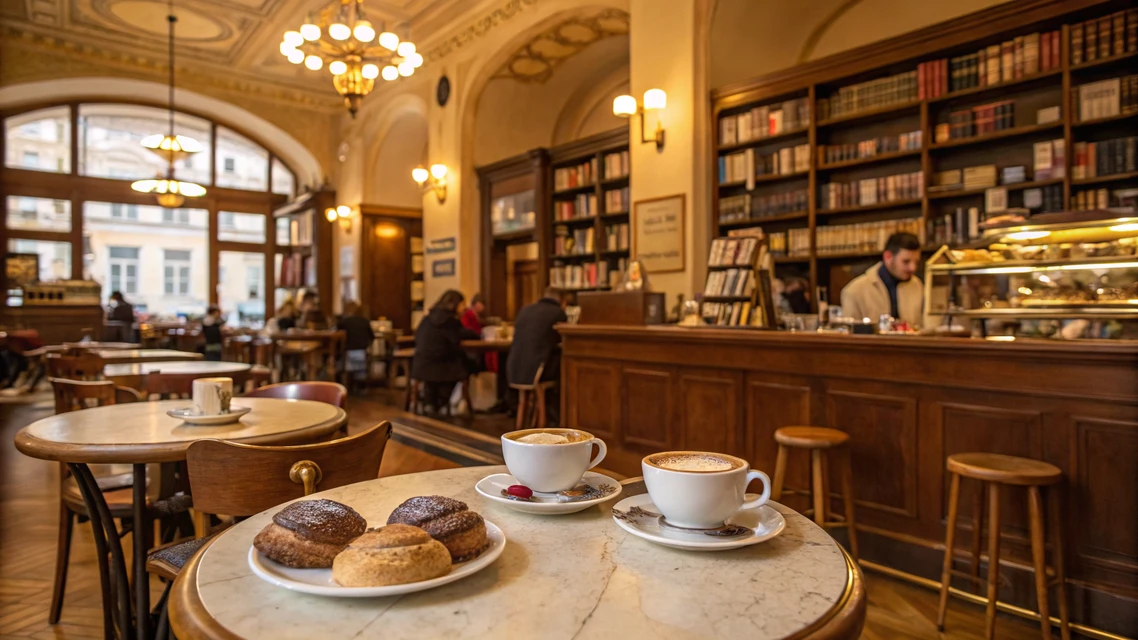
Essential Equipment for Authentic Viennese Coffee
To make authentic Viennese coffee, you need the right tools. The traditional Viennese coffee culture is famous for its rich flavors and aromas. These are achieved with specific brewing tools and serving vessels.
Traditional Coffee Brewing Tools
Traditional Viennese coffee is made with a stove-top espresso maker or a filter coffee machine. The stove-top espresso maker, also known as a Moka pot, is a favorite among coffee lovers. It makes a rich and full-bodied coffee, just like Viennese coffee.
Specialized Serving Vessels and Glassware
The serving vessels and glassware used in traditional Viennese coffee service are key. Coffee is served in delicate porcelain cups. These cups help keep the coffee’s temperature and flavor.
Along with the coffee, a glass of water is served. This water is used to cleanse the palate between sips.
Garnishing Tools and Accessories
Garnishing is a big part of the Viennese coffee experience. Whipped cream is a classic topping for Viennese coffee. It’s whipped using a manual or electric whipper.
Sugar is also a common addition. It’s often served in small packets or cubes.
With the right equipment and techniques, you can enjoy an authentic Viennese coffee experience at home.
Selecting the Perfect Coffee Beans for Viennese Coffee
The quality of coffee beans is key to a great Viennese coffee. Choosing the right beans is essential for the traditional taste of Viennese coffee.
Traditional Viennese coffee blends are a must for authentic Viennese coffee. These blends mix beans from different places. This creates a rich and balanced flavor.
Traditional Viennese Coffee Blends
Viennese coffee blends are all about balance. They often use Arabica beans for their unique taste and less bitterness. Blending these beans is an art that ensures each flavor complements the others.
Roast Profiles That Work Best
The roast of the coffee beans is also important. A medium to dark roast is best for Viennese coffee. It brings out the deep, rich flavors that Viennese coffee is known for.
Modern Bean Alternatives for American Coffee Lovers
For American coffee lovers, there are modern bean options for Viennese coffee. Some roasters offer blends that appeal to American tastes. These might include lighter roasts or more nuanced flavors.
Choosing high-quality, freshly roasted coffee beans is crucial for great Viennese coffee. Whether you prefer traditional or modern blends, pick beans that you enjoy and fit your taste.
Step-by-Step Guide to Making Classic Viennese Coffee
In Vienna, coffee is more than a drink; it’s a tradition. I’m here to show you how to make a classic Viennese coffee. It’s simple yet special.
Brewing the Perfect Base Coffee
The first step is brewing the perfect coffee. Use a traditional Viennese coffee blend, made from Arabica beans. Roast them just right.
Use a Wiener Melange coffee maker to brew. This method brings out the coffee’s rich flavors. The coffee should be strong but not too bitter.
Brew for 5-7 minutes. Keep the water between 195°F and 205°F. This ensures the best flavor from the beans.
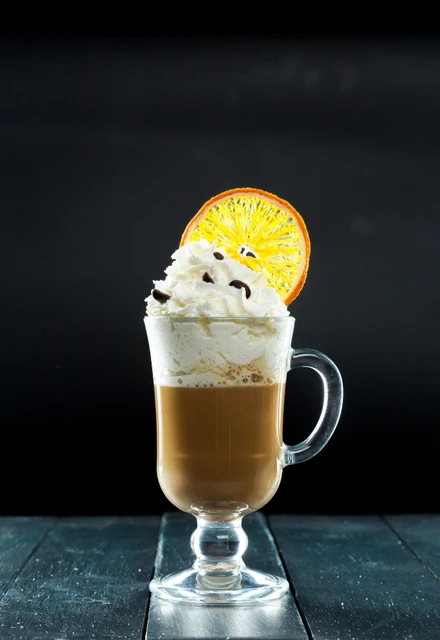
Whipping the Cream to Ideal Consistency
Whipping cream is an art that needs patience. Whip it until it’s stiff and forms soft peaks. Be careful not to whip too much, or it will turn into butter.
Add a bit of sugar before whipping. This balances the flavors. It’s optional but makes the coffee taste more authentic.
Assembly and Presentation Techniques
Now, it’s time to put it all together. Pour the coffee into a large cup, leaving room for the cream. Then, gently place the whipped cream on top.
Serve the coffee on a silver tray with a glass of water. This is the traditional way.
The final step is the presentation. Make sure the cream is smooth and even. You can add cocoa powder or cinnamon for extra flavor and looks.
By following these steps, you can make Viennese coffee at home. It’s a ritual worth enjoying. With practice, you’ll get better at it.
Elevating Your Viennese Coffee with Zest and Liqueur
Adding zest and liqueur to Viennese coffee can make it even better. This traditional coffee can get a flavor boost with the right mix. We’ll look at how to add citrus zest and liqueurs to your coffee.
Citrus Zest Variations and Their Flavor Profiles
Citrus zest brings a bright, citrusy taste to your coffee. You can use lemon, orange, or lime zest. Lemon zest gives a sharp citrus flavor that goes well with coffee. Orange zest is sweeter and more subtle. Lime zest adds a unique acidic and slightly bitter taste.

Complementary Liqueurs for Viennese Coffee
Liqueurs can make your coffee richer and more complex. Kahlúa, Baileys Irish Cream, and Grand Marnier are popular choices. They enhance the flavor and add a luxurious feel. Pick a liqueur that matches the flavor you want, like chocolatey or fruity.
“The addition of liqueur to Viennese coffee is an art that requires balance and taste.”
My Favorite Zest and Liqueur Combinations
I’ve found some zest and liqueur pairs that work great together. For example, lemon zest with Kahlúa is a nice mix of citrus and chocolate. Another favorite is orange zest with Grand Marnier, which adds a sweet and citrusy taste.
By trying these combinations, you can make your Viennese coffee unique and tailored to your taste.
Popular Viennese Coffee Variations You Can Make at Home
Viennese coffee making is an art that brings together delicious flavors and rich history. You can easily make these traditional coffee drinks at home. Let’s explore three favorites: Melange, Einspänner, and Fiaker.
Melange: The Viennese Cappuccino
Melange is Vienna’s take on the cappuccino. It’s a mix of coffee and milk, topped with frothed milk. To make it, brew strong coffee and froth milk. Then, mix them in a big cup, aiming for a perfect balance.
Einspänner: The Coachman’s Coffee
Einspänner is a strong coffee with whipped cream on top. It was loved by coachmen, hence the name “one-horse carriage.” Simply brew a strong coffee and add whipped cream on top.
Fiaker: Coffee with a Rum Kick
Fiaker adds a rum twist to coffee. It was a hit with horse-drawn carriage drivers. To make it, mix strong coffee with rum and top with whipped cream.
The Etiquette of Enjoying Viennese Coffee
Viennese coffee is more than just a drink. It’s a tradition that brings people together. In Vienna, coffee is a social ritual.
Traditional Viennese Coffee Drinking Customs
In Vienna’s coffeehouses, coffee comes with water. People enjoy it slowly, chatting or reading. It’s common to stay for hours.
The coffeehouses are elegant, with comfy seats and fancy decor. Enjoying coffee is a time to relax and connect with others.
Pairing Your Coffee with Traditional Viennese Pastries
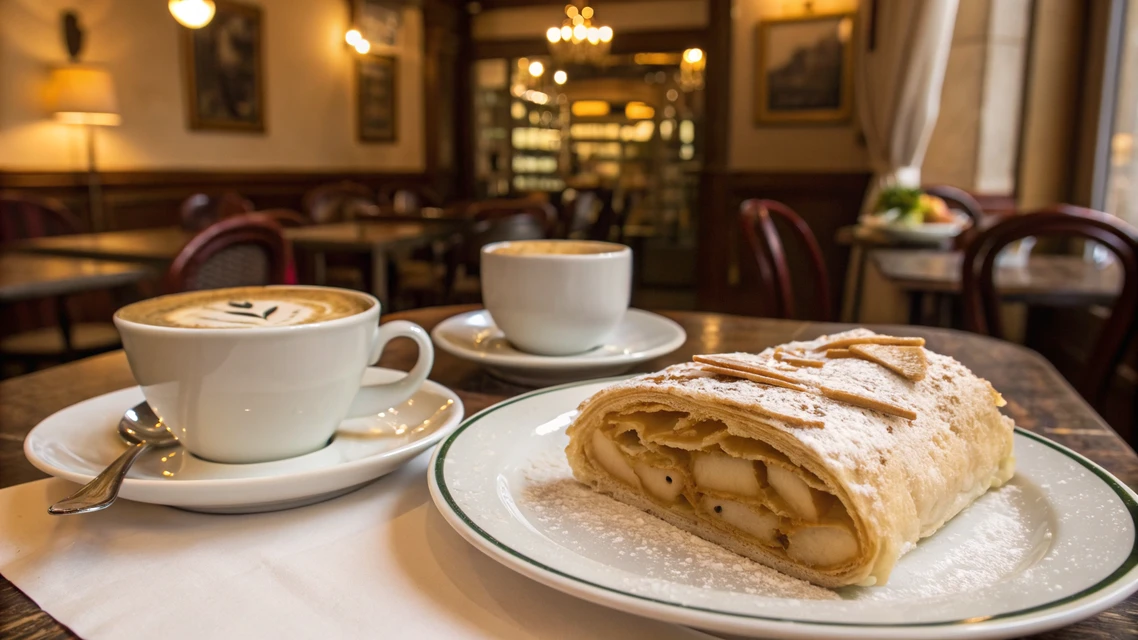
Viennese coffee goes well with pastries like Apple Strudel or Sacher Torte. These treats add to the coffee’s flavor and texture.
| Pastry | Description | Pairing Tip |
|---|---|---|
| Apple Strudel | A classic pastry filled with apples, sugar, and cinnamon. | Pairs well with a strong Viennese coffee. |
| Sacher Torte | A rich chocolate cake with a layer of apricot jam. | Complements the coffee with its deep chocolate flavor. |
Conclusion: Embracing the Viennese Coffee Experience at Home
Creating an authentic Viennese coffee experience at home is easy. We’ve learned about the rich heritage and cultural importance of Viennese coffee. This knowledge helps us serve Viennese coffee the best way.
To enjoy Viennese coffee, focus on the traditional presentation. Use a silver tray and a glass of water. The right equipment, like traditional coffee tools and special serving vessels, is key.
Follow the steps from this article to make Viennese coffee at home. Whether you love coffee or want to improve your coffee experience, embracing Viennese coffee culture will please your senses.
Start your Viennese coffee journey today. Try different coffee blends, roasts, and flavors to find your favorite. With practice and patience, you’ll enjoy the authentic Viennese coffee experience, just like the Viennese do.
Related Articles
How to Make Perfect Espresso at Home
Mastering Espresso: Expert Tips and Techniques Espresso is truly one of the most complex and fascinating coffee beverages. It’s arguably…
Read moreDetails
How to Make Turkish Coffee: Tips and Techniques
The Turkish coffee pot—known as a cezve, ibrik, or simply a Turkish coffee pot—represents one of the world’s oldest coffee…
Read moreDetails
How to prepare Flat White coffee: recipe, differences from cappuccino and latte
Flat White is a rather strong coffee-milk drink based on double espresso with a minimum of milk foam. It is…
Read moreDetails