
 Home
Home Recipes
 Beans
Beans Gear
Gear Roasting
 Brewing
 FAQ
FAQ

As a coffee lover, I’ve always been curious about coffee cupping. It’s a way to check how good coffee is. Knowing about coffee cupping helps us enjoy specialty coffee more.
The Specialty Coffee Association (SCA) has a set rule for tasting coffee. It’s key in the coffee world. I’ll show you the basics of coffee cupping and why it matters. We’ll also look at the flavor wheel, a big help in tasting coffee.
Key Takeaways
- Coffee cupping is a professional tasting guide used to evaluate coffee quality.
- The SCA protocol is a widely accepted standard in the coffee industry.
- The flavor wheel is a crucial tool in evaluating the flavor profile of coffee.
- Understanding coffee cupping enhances appreciation for specialty coffee.
- Coffee cupping is significant in the coffee industry for quality control.
Coffee Cupping Explained: What It Is and Why It Matters
Coffee cupping is a method used to evaluate coffee. It’s a sensory analysis that checks the quality and traits of coffee beans.
“The cupping process allows us to experience the full spectrum of a coffee’s flavor profile,” notes a seasoned coffee expert. This quote shows how crucial coffee cupping is for understanding coffee’s subtleties.
Understanding the SCA Protocol
The Specialty Coffee Association (SCA) has a set method for evaluating coffee. It ensures quality and consistency in coffee assessments. By using the SCA protocol, coffee experts can accurately judge coffee beans’ quality and traits.
The SCA protocol involves a detailed sensory evaluation. Assessors score coffee based on flavor, aroma, and acidity. This thorough assessment helps spot each coffee bean’s unique qualities.
The Importance of Coffee Cupping in Specialty Coffee
Coffee cupping is key in the specialty coffee world. It lets producers, roasters, and buyers check coffee quality and make smart choices. Through coffee cupping, the coffee quality assessment becomes more fair and standard.
- Coffee cupping helps find each coffee bean’s special traits.
- It makes sure evaluations are consistent across the industry.
- Coffee cupping is crucial for top-notch specialty coffee.
Knowing about coffee cupping and its role in specialty coffee shows the complexity and detail in judging coffee quality.
Coffee Cupping vs Regular Coffee Tasting
Coffee cupping is a special way to taste coffee, unlike regular tasting. It’s key for coffee experts and fans who want to really know a coffee’s quality and taste.
Coffee cupping checks a coffee’s true qualities using a set method. This lets people compare different coffees fairly. Regular tasting, however, can change a lot based on how it’s made and what you like.
Key Differences Between Coffee Cupping and Regular Tasting
The main differences are in how they’re done, the tools used, and what they aim to find. Coffee cupping uses the SCA (Specialty Coffee Association) protocol. This ensures the water, coffee, and other factors are the same for all, making the taste fair.
In coffee cupping, the way the coffee is made is always the same. This means using a certain cupping form and way to break the crust. It helps find the coffee’s aroma and taste. Regular tasting, though, can use many brewing ways, like drip or French press. Each way can show different coffee traits.
Another big difference is what each focuses on. Coffee cupping looks at the coffee’s flavor profile, acidity, and body by set standards. Regular tasting is more about enjoying the coffee and noticing how brewing methods change it.
- Coffee cupping follows a set protocol.
- Regular coffee tasting is more open and can vary.
- Coffee cupping is about the coffee’s true qualities.
- Regular coffee tasting is more about the brewing method and taste.
Knowing these differences is key for anyone in the coffee world. It helps producers and drinkers understand coffee better. This makes the coffee world more informed and rich.

The Coffee Cupping Process: Step-by-Step
Learning about the coffee cupping process is key for coffee lovers. It’s a detailed way to check a coffee’s taste, smell, and quality. Both experts and fans use it to see how different coffees compare.
Preparing for Coffee Cupping
To start, you need the right tools and coffee samples. You’ll need cupping bowls, spoons, and evaluation forms. Make sure the coffee is the same roast and fresh.
The tools for cupping help keep the taste true. Cupping bowls are ceramic or glass. Spoons are made for slurping, letting flavors hit your mouth’s roof.
The Step-by-Step Guide to Coffee Cupping
Here’s how to cup coffee:
- Prepare the Coffee: Grind the coffee right.
- Smell the Dry Coffee: Check the dry coffee’s aroma.
- Add Water: Pour hot water over the grounds.
- Break the Crust: Break the crust that forms.
- Smell the Wet Coffee: Smell the coffee after breaking the crust.
- Taste the Coffee: Slurp to taste its flavor, acidity, and body.
- Record Your Findings: Use forms to note your thoughts and score the coffee.
The cupping score shows a coffee’s quality. It’s based on taste, smell, and acidity. Q-graders use these scores to judge coffee.
By following this guide, you can do a detailed coffee cupping. It’s great for both pros and coffee lovers. It makes you appreciate coffee more.
What You Need for Coffee Cupping
Getting the right tools is key for coffee cupping. I’ll show you what you need. Coffee cupping, or professional tasting, needs specific tools to judge coffee quality and flavor.
Coffee Cupping Essentials
For coffee cupping, you need a few important items. First, you’ll need cupping bowls. These are made of ceramic or glass and have a wide mouth. They help you smell and taste the coffee’s aroma and flavor.
You also need spoons made for cupping. These spoons are bigger and rounder than regular spoons. They let you slurp the coffee to check its texture and taste. Don’t forget evaluation forms to write down your thoughts. These forms have sections for fragrance, flavor, acidity, body, and overall impression.
The flavor wheel is another key tool. It’s a circular diagram showing coffee’s flavor profiles. It helps you identify and describe the coffee’s flavors.
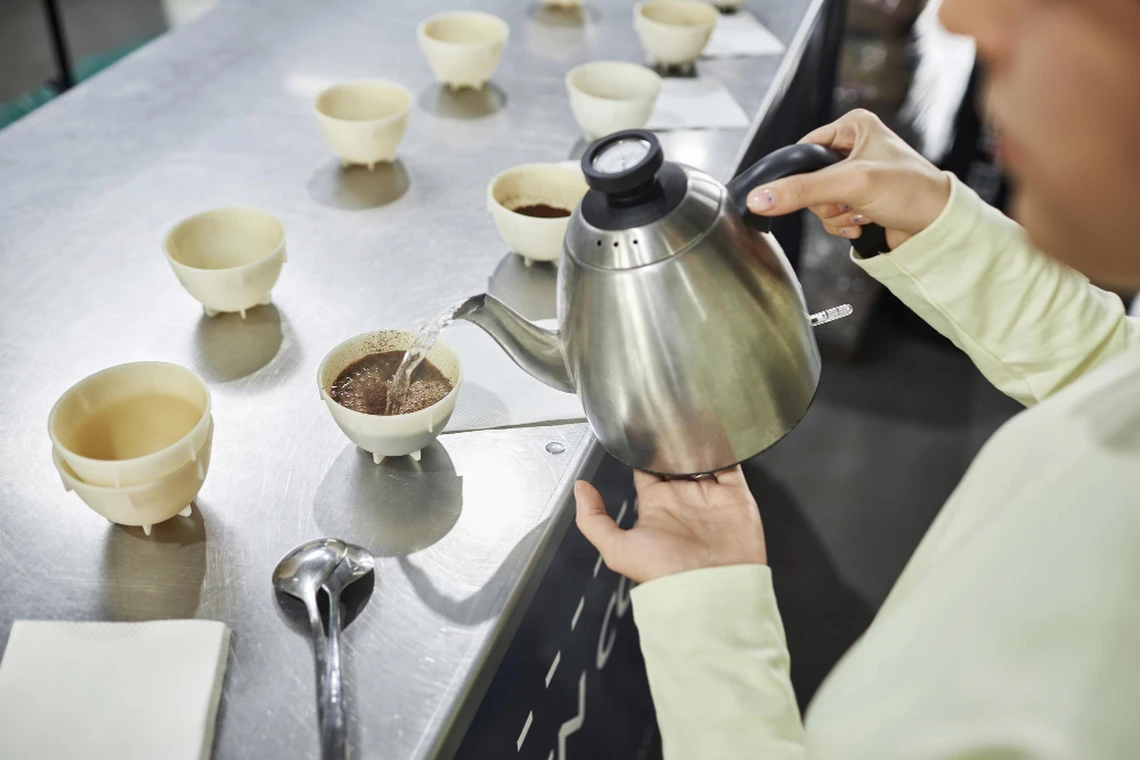
| Equipment | Description |
|---|---|
| Cupping Bowls | Ceramic or glass bowls for evaluating coffee |
| Cupping Spoons | Large, rounded spoons for slurping coffee |
| Evaluation Forms | Forms for recording observations and ratings |
| Flavor Wheel | A diagram illustrating different coffee flavor profiles |
With the right equipment, you can do coffee cupping well. This helps you understand coffee’s complex flavors and characteristics better.
How to Do Coffee Cupping at Home
You can learn to do coffee cupping at home with the right tools and practice. It’s a way to enjoy the complex flavors of specialty coffee. First, you need to know the basics and what equipment you’ll need.
Tips for Successful Coffee Cupping
Here are some key tips for successful coffee cupping at home:
- Use freshly roasted and ground coffee for the best flavor.
- Make sure your cupping equipment is clean and free of flavors.
- Focus on the sensory aspects like aroma, flavor, and acidity.
- Keep notes on your observations to track your progress and improve.
Brewing techniques are important in coffee cupping. The method you choose can change the coffee’s flavor. Try different techniques to find what works best for you.
When judging coffee quality, think about the coffee’s origin, processing, and roast level. These factors can really impact the flavor and quality of the coffee.
To get better at sensory analysis, practice often and be patient. Coffee cupping is about the experience as much as it is about tasting. By following these tips and practicing, you’ll learn to appreciate the complex flavors of specialty coffee and make better choices.
Coffee Cupping: Key Takeaways
Coffee cupping lets us dive into the world of specialty coffee. It helps us understand the SCA protocol and use the flavor wheel. This way, we can see how coffee’s taste and quality are evaluated.
Evaluating Specialty Coffee
Coffee cupping is all about checking out specialty coffee. We look at its flavor, acidity, and body. This helps us understand what makes a coffee stand out.
In short, coffee cupping is key for coffee lovers. It helps us appreciate specialty coffee by following the SCA protocol. We get to know the coffee’s taste and quality better.
Related Articles
How to Choose a Turkish Coffee Pot (Ibrik/Cezve Buying Guide)
Discover the best Turkish coffee pot (ibrik/cezve) for your home. Learn about materials, sizes, and must-have features.
Read moreDetails
Discover the 8 Latte Art Techniques I Use Every Day
Discover the 8 latte art techniques I use every day to create stunning coffee drinks.
Read moreDetails
My Guide to Understanding the Anatomy of Taste
Dive into the inner workings of the anatomy of taste. Understand how your taste buds and sense of smell work…
Read moreDetails
How Coffee Grind Size Affects Taste (Complete Guide)
The complete guide on how coffee grind size impacts flavor. Learn the best grind for each brewing method.
Read moreDetails
What Are Coffee Quakers? (Defects & How to Avoid Them)
What Are Coffee Quakers and how do they affect your brew I explain their causes impact on taste and how…
Read moreDetails